Last updated November 21, 2026
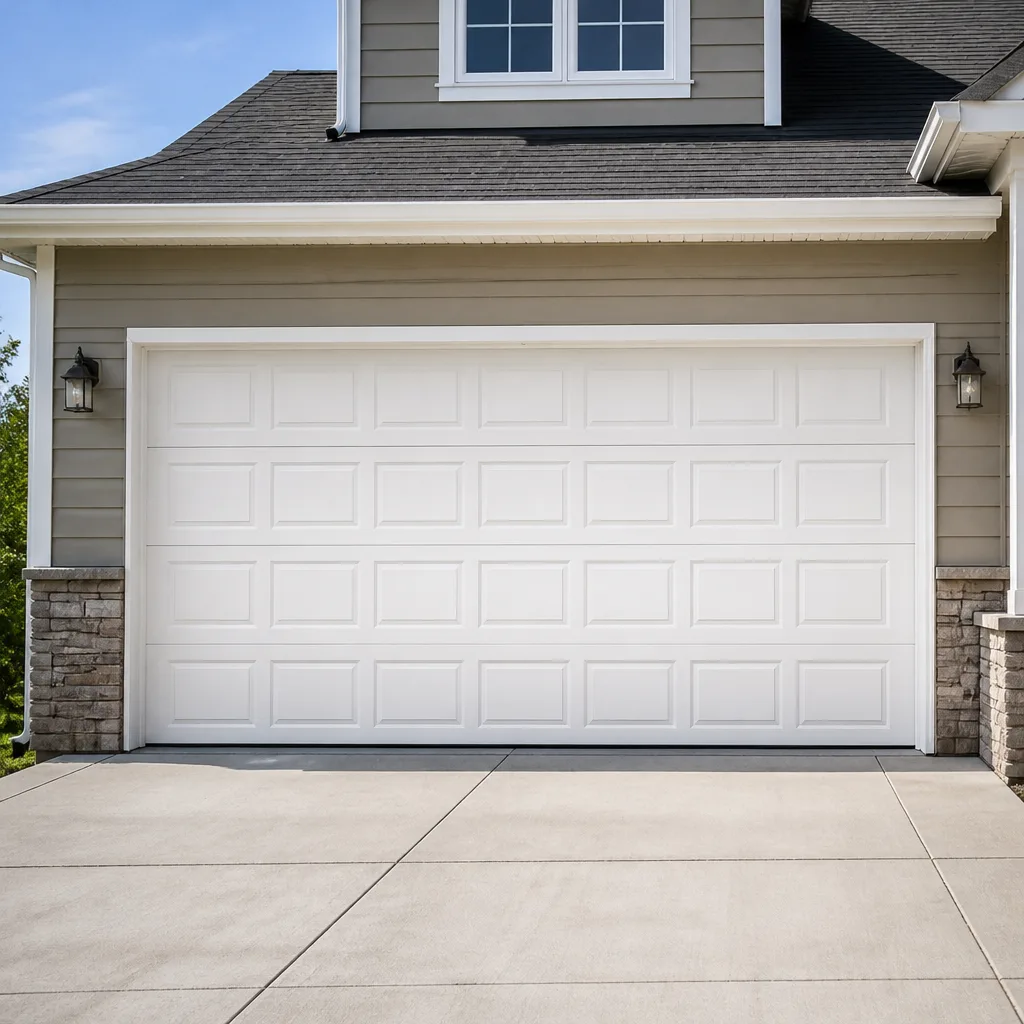 Raised-panel steel
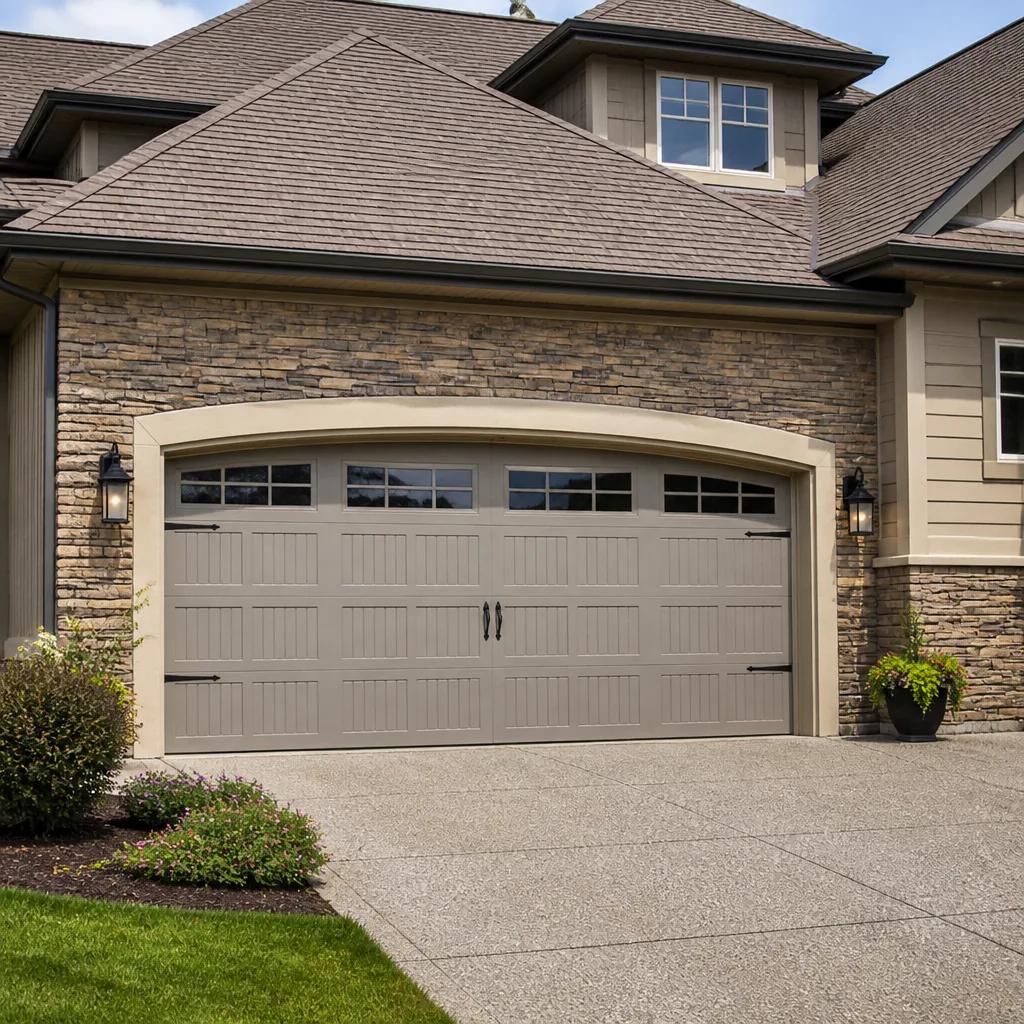
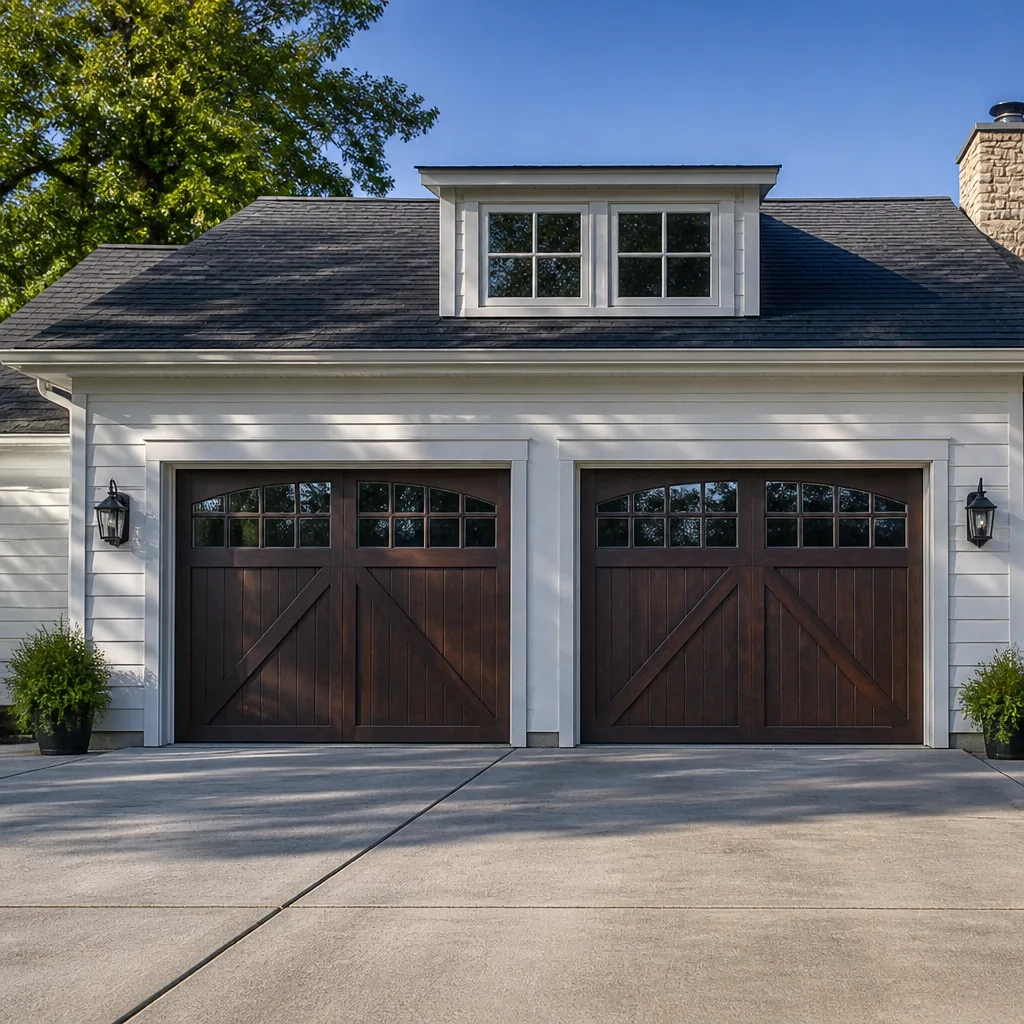 Carriage house
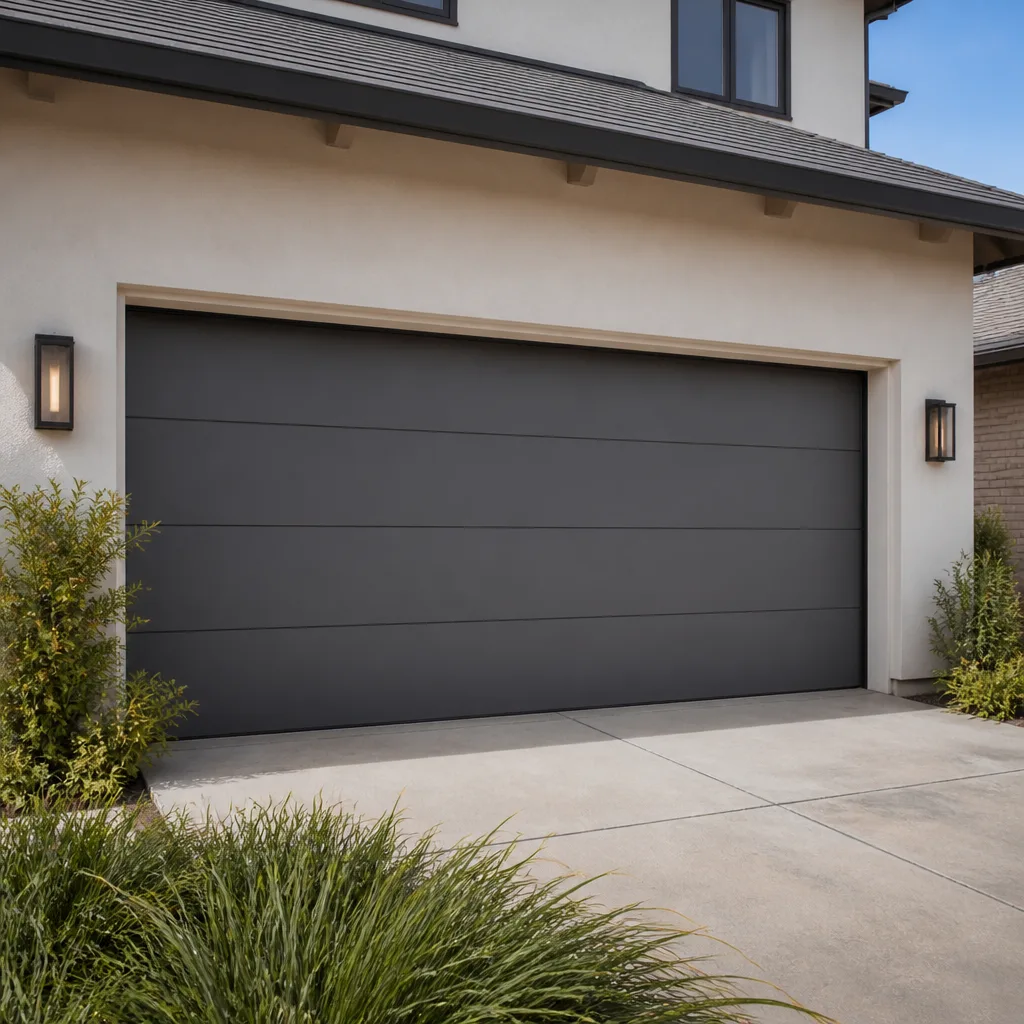 Modern flush
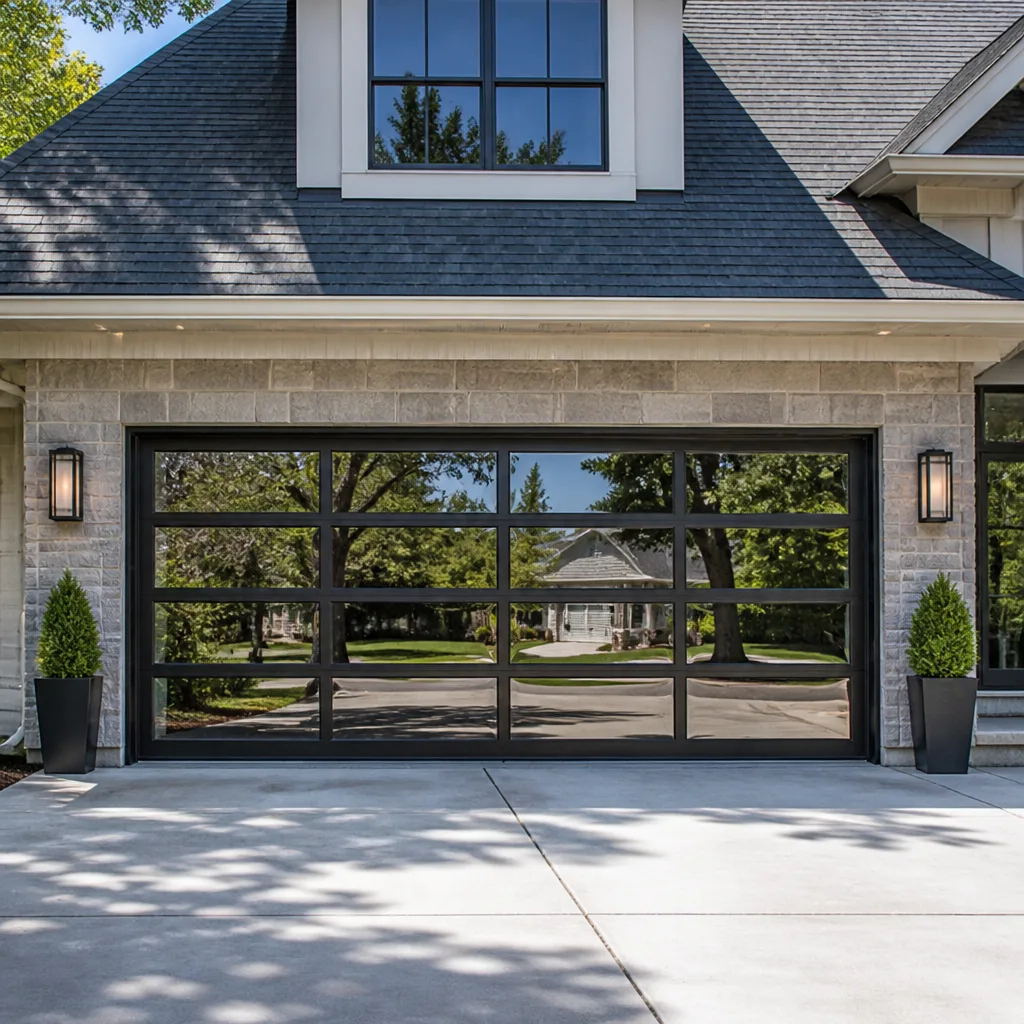 Full-view glass
 LiftMaster openers
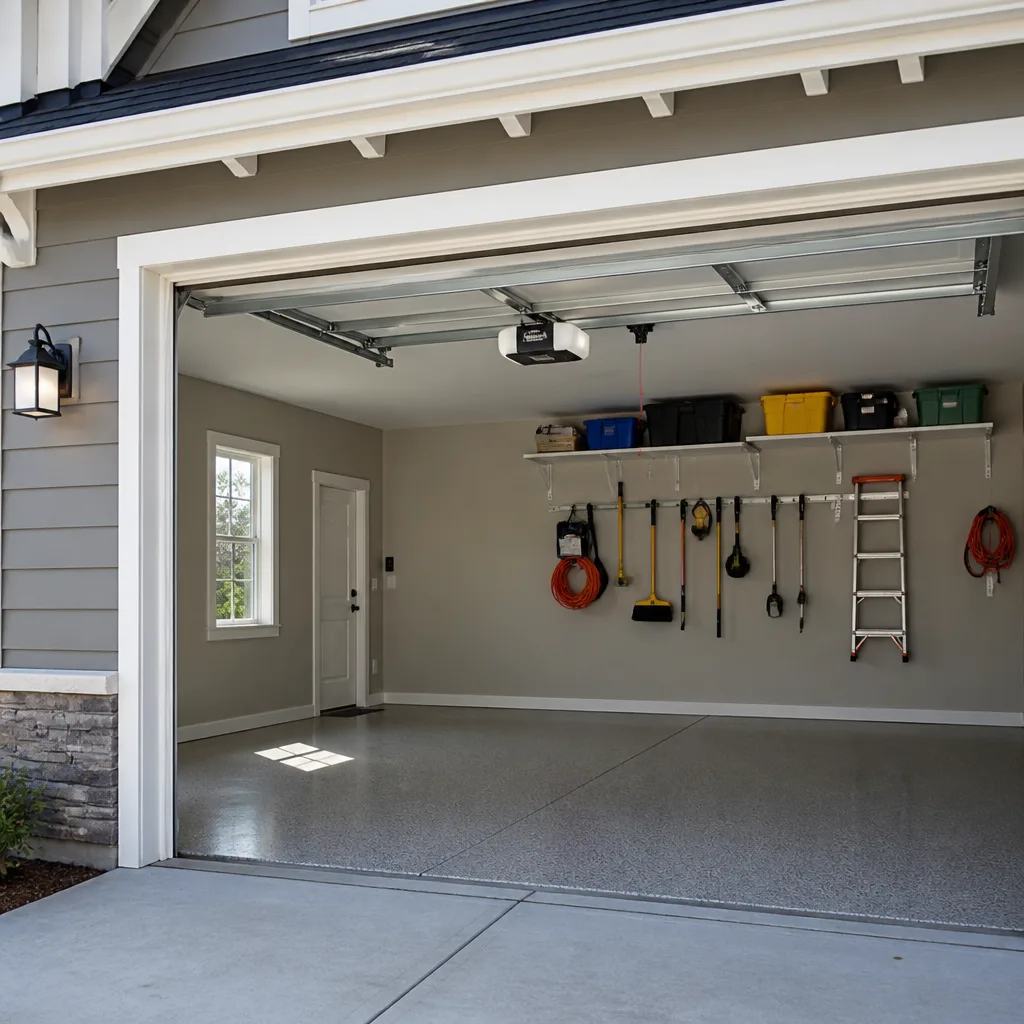 Chamberlain openers
Full 25-point door and opener safety check with every visit - springs, cables, rollers, tracks, and your LiftMaster or Chamberlain opener included
You get a price before we start. It does not change when the pro arrives.
Get your free estimateSeasonal Garage Door Care for Arlington: Year-Round Homeowner’s Guide
Most garage door care advice you’ll find online assumes four neat seasons. Arlington doesn’t work that way. Here, the calendar runs on hurricane prep season, peak-heat season, and a short, precious window in between when the air is dry enough to actually get maintenance done. The single most important stretch for your door isn’t spring – it’s the six weeks between late March and early May, before daily humidity climbs toward 80% and before the June 1 hurricane season start date. In this guide, we’ll walk through what to check and when, how Arlington heat stresses LiftMaster and Chamberlain circuit boards, what to inspect after a named storm, and how to time lubrication so the rainy season doesn’t wash it away within 48 hours.
Quick Answer
Seasonal garage door care in Arlington follows three windows: a pre-hurricane inspection and lubrication push from late March to early May, a peak-heat check of opener electronics and rollers through summer, and a post-storm inspection sequence before you operate the door again. Arlington’s mild winters still bring occasional freezes that stiffen bottom seals – which can trigger false “obstruction detected” errors on your opener.
Styles & brands we work with
- Raised-panel steel
- Carriage house
- Modern flush
- Full-view glass
- LiftMaster openers
- Chamberlain openers
Table of Contents
- Why Arlington’s Climate Calendar Isn’t Four Seasons
- Pre-Hurricane Season Checklist for Arlington Homeowners
- How Peak Summer Heat Affects Your Opener and Door
- Post-Storm Inspection: What to Check Before You Press the Button
- Arlington’s Mild Winter and the Bottom Seal Problem
- Timing Maintenance Around Arlington’s Rainy Season
- Month-by-Month Care Calendar for Arlington
- Common Mistakes to Avoid
Why Arlington’s Climate Calendar Isn’t Four Seasons
If you moved to Arlington from a northern state, the seasonal garage door advice you brought with you may not apply. Up there, spring means thaw and the fall checklist means “get ready for snow load.” Here, the two forces that actually wear on a door are sustained summer heat and hurricane-season wind, with a rainy stretch that dictates when you can lubricate anything and have it stay put.
Think about it in terms of what your door is exposed to month by month. From roughly June through September, a closed garage on a still afternoon can climb well past outdoor temperatures. Metal panels, torsion springs, and the circuit board inside your opener all live in that heat. Then there’s the June 1 hurricane season start date, which every Arlington homeowner knows, and the stretch of afternoon storms that runs through the warm months. The mild winter is the easy part – but “easy” isn’t “nothing.”
The practical takeaway is that Arlington’s real maintenance doorway is short. You want to get ahead of the heat and the storms, not react to them. That’s why we frame this whole guide around a calendar built for northeast Florida rather than a generic spring/summer/fall/winter template you’d find on a national site.
None of this is exotic. It’s just that a door is a mechanical system, and mechanical systems respond to their environment. In Arlington, that environment asks specific things of you at specific times, and the next sections walk through each one.
Pre-Hurricane Season Checklist for Arlington Homeowners
The most valuable garage door work you’ll do all year happens before June 1, not during a storm warning. That six-week window from late March into early May gives you dry air for lubrication and time to schedule any real repairs before the busy season hits. Here’s what we walk through on a pre-hurricane inspection.
- Check the anchor bolts. Every garage door track and the door’s header are held by anchor bolts into the framing and floor. Look for rust, looseness, or bolts that have begun to pull. A door that’s solid in calm weather can shift under wind load if the anchors are compromised.
- Inspect horizontal track bracing. The horizontal tracks that carry the door back along the ceiling need their braces tight and their attachment points sound. Loose bracing lets the door move laterally under wind pressure, which is where track-bending damage starts.
- Verify your door’s wind-load rating. Doors rated for wind are labeled with their design pressure. If you’re not sure what your Clopay or Amarr door is rated for, the label on the door or the original paperwork will tell you. If the label is missing, that’s a question worth resolving before storm season, not during it.
- Test the manual release. Pull the release and confirm the door moves freely by hand, then re-engage it. You want to know this works before you need it.
- Lubricate hinges, rollers, and springs. Do this in the dry window so the product stays on the metal rather than washing off in the first afternoon storm.
- Clear the path of travel. Anything stored along the tracks or blocking the door’s travel should move. Storm-season prep is a good excuse to reclaim that space.
If you’re not comfortable inspecting anchor bolts or bracing yourself, that’s fair. These are structural points, and a door that isn’t properly secured is a genuine safety issue. A professional inspection here is garage door repair at its most preventive – catching problems before they become storm damage. We also handle garage door opener repair on the same visit if your opener shows any weakness during the check.
How Peak Summer Heat Affects Your Opener and Door
When Arlington afternoons push past 95°F outside, a closed garage can register hotter still. That heat does two things to your system: it expands and stresses the door’s mechanical parts, and it taxes the electronics inside your opener. The second one catches homeowners off guard, because a circuit board doesn’t announce that it’s overheating – it just starts behaving strangely.
What heat does to LiftMaster and Chamberlain openers
LiftMaster and Chamberlain are the two most common opener brands we work on in Arlington, and both build in thermal protection. That circuitry is there to shut the motor or logic board down before heat does permanent damage. So if your opener acts sluggish, drops its remote signal, or stops responding on a hot afternoon and then recovers later, you may be seeing thermal protection working, not a failing unit. The trap is replacing a perfectly good opener when the real issue is ventilation, a failing logic board, or an aging capacitor.
What heat does to the door itself
- Rollers and hinges lose lubrication faster in sustained heat, which increases friction and strain on the opener.
- Torsion and extension springs cycle through heat expansion; a spring already near the end of its life is more likely to fail in a hot stretch, which is why spring repair requests climb in summer.
- Wood and steel panels expand and can bind slightly in the tracks if the gap tolerances are tight.
- Weather seals soften and can begin to sag or lose their seal.
A simple mid-summer habit helps: on hot days, crack the garage door slightly or run a fan to move air. It won’t fix a failing component, but it gives your opener’s thermal protection less work to do. If your door binds, sticks, or the opener cuts out consistently, that’s a diagnosis job – not a replacement job. We work on the brand already in your garage, and we’d rather find the capacitor than sell you a new motor.
Post-Storm Inspection: What to Check Before You Press the Button
After a named storm passes through northeast Florida, the instinct is to press the button and see if everything works. Don’t. A wind-stressed door can have a track knocked out of alignment, a bent roller, or a compromised spring that isn’t visible from the driver’s seat. Operating a door in that condition can cause further damage or, worse, let the door come down uncontrolled. Follow this sequence instead.
- Look before you touch anything. From outside the door’s path, check whether the panels are dented, misaligned, or off their tracks. Note any debris against the door.
- Check the tracks. Look down the length of both vertical and horizontal tracks for bends or gaps where the rollers sit. A bent track means the door must stay closed until it’s addressed.
- Test the manual release. Disengage the opener and try moving the door by hand. It should move smoothly. If it feels heavy or jerky, stop there.
- Inspect the springs and cables. Look for a visible gap in a torsion spring or slack in a cable. Do not attempt to adjust or repair either one yourself – high-tension springs and cables can cause serious injury, and they require a trained technician. If something looks off, leave the door closed and call.
- Check the opener head and mounting. Look for a sagging rail or a head unit that’s pulled loose from its bracket.
- Only then, operate the door and watch the full travel both ways.
If anything in that list looks wrong, the door should stay shut until a technician has looked at it. Post-storm inspections are exactly the kind of garage door repair call we handle on the same visit where possible – diagnosis, parts, and repair from one company. Our technicians have up to 13 years of experience with this exact sequence.
Arlington’s Mild Winter and the Bottom Seal Problem
Arlington winters are mild, but mild isn’t nothing. The handful of cold snaps we get each year are enough to stiffen the rubber bottom seal on your garage door, and a stiff seal is one of the more common causes of a false “obstruction detected” error on your opener. Here’s what’s happening: the opener’s safety reverse system watches for resistance. A cold, stiff seal – or a seal that’s frozen to the floor and then tears free – can create enough resistance during the close cycle to trip the safety reverse, and suddenly your door goes back up instead of down.
What to watch for as the weather cools:
- Door reverses partway down. Usually a stiff seal, a misadjusted travel limit, or a sensitivity setting that needs attention.
- Seal gaps along the floor. A seal that no longer touches the floor lets in rain, pests, and cold air.
- Visible cracks or hardening in the seal. Rubber that’s lost its flexibility needs replacing, not bending back into place.
The fix is usually straightforward: replace the bottom seal, then re-check the opener’s safety reverse adjustment. On Genie and Craftsman openers the sensitivity adjustment lives in a specific spot; on LiftMaster and Chamberlain units it’s a different procedure. If you don’t want to guess, a technician can set it correctly in a single visit. Winter is also a great time to book any garage door repair you’ve been putting off – the dry season is easier on everyone.
Timing Maintenance Around Arlington’s Rainy Season
This may be the most practical point in the whole guide: lubricate in the dry window or don’t bother. If you apply a fresh coat of lubricant to your hinges, rollers, and spring coils and then the next afternoon’s storm rolls through, much of that product can wash out within 48 hours. The parts are back to metal-on-metal, and your door is noisier than before you started. You’ve spent the effort and gotten nothing.
So plan around the rainy season rather than fighting it:
- Late March to early May is the sweet spot. Dry air, moderate temperatures, and a healthy gap before daily humidity and storm season arrive. If you get one maintenance habit right all year, make it this one.
- Avoid applying lubricant when rain is forecast within a couple of days. Check the forecast before you crack the bottle.
- If the rainy season catches you with a dry, squeaky door, use a small amount of lubricant on the problem points and don’t over-apply during a wet stretch – re-do it properly in the next dry window.
- Use a garage-door-rated lubricant, not general-purpose spray. The right product stays on the metal and won’t attract grit the way a thin one can.
Beyond the lubricant timing, the rainy season is a good time to visually inspect door hardware between storms – looking at seals, hinges, and roller condition – rather than doing anything that requires a fresh application of product. Save the hands-on work for the dry window and the troubleshooting for whenever something looks wrong.
Month-by-Month Care Calendar for Arlington
Here’s how the year breaks down if you want a simple rhythm to follow. This is the calendar we suggest to Arlington homeowners who ask us how to stay ahead of problems rather than react to them.
| Period | Focus | Key tasks |
|---|---|---|
| Late March – early May | The critical maintenance window | Full inspection, lubricate hinges/rollers/springs, tighten hardware, inspect seals, book any repairs |
| Before June 1 | Pre-hurricane prep | Anchor bolts, horizontal track bracing, wind-load rating, release test, clear the travel path |
| June – September | Peak-heat management | Watch opener for thermal shutdown, crack door for ventilation, re-lube high-friction points, check seal sag |
| After any named storm | Post-storm inspection | Follow the 6-step sequence before operating the door |
| October – November | Pre-winter tune-up | Re-lube, inspect seals, verify safety reverse, resolve any summer-related issues |
| Winter cold snaps | Seal and safety reverse | Watch for false obstruction errors from stiff seals; check bottom seal flexibility |
Two things are worth adding to the calendar. First, if your door is 15 to 20 years old or older, it will warrant a closer look at the whole system – garage door installation may eventually be the smarter move than repeated repairs. Second, if you’re on the fence about whether a problem needs a professional, remember that garage door repair costs less when it’s preventive. A technician can also check, in person, how your door’s been holding up through the year’s weather.
Common Mistakes to Avoid
- Lubricating right before a rainy stretch. If you apply lubricant and then storms roll through within 48 hours, much of it washes off. Do the work in the late-March-to-early-May dry window and check the forecast before you start.
- Replacing an opener that just needs a diagnosis. In Arlington’s summer heat, a LiftMaster or Chamberlain unit that pauses or drops signal may be showing thermal protection, not a failed opener. Have it checked before you replace it.
- Ignoring anchor bolts and horizontal track bracing. These are the structural points that hold the door through storm season, and they’re easy to overlook because they never make noise until they’re a problem.
- Operating the door after a storm without inspecting it. A bent track or compromised spring isn’t always visible, and running the door in that condition can make the damage worse. Inspect first, operate second.
- Storing anything against the tracks. Boxes and bins leaning on the vertical tracks stress them and can knock the door out of alignment, which is a repair you’d rather not schedule.
- Touching springs or cables yourself. These are high-tension parts. A torsion spring under load can cause serious injury, and this is one repair that should always go to a trained technician who carries the right tools and knows the safety protocol.
- Letting a stiff winter seal go. A cold-stiff bottom seal that trips your opener’s safety reverse is a quick fix if you address it, and a continued source of false obstruction errors if you don’t.
See the difference
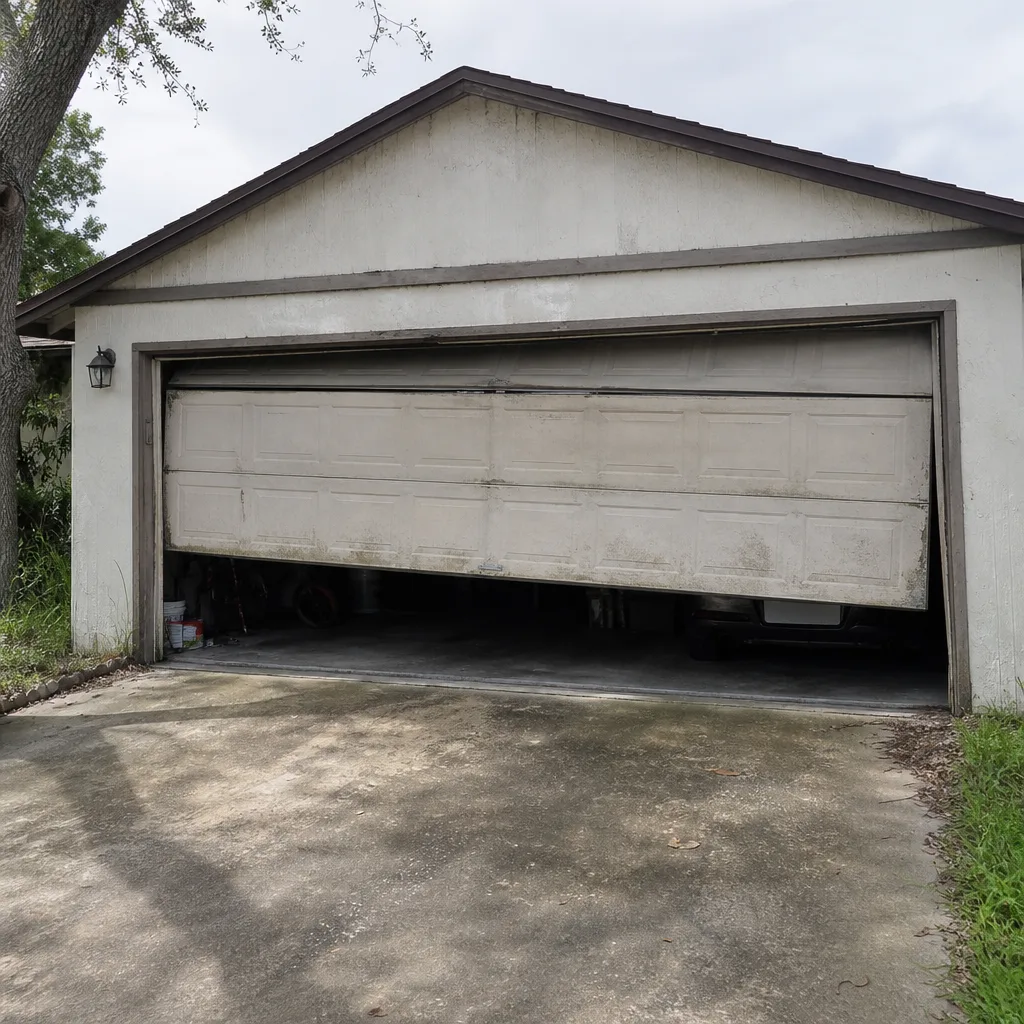 Before
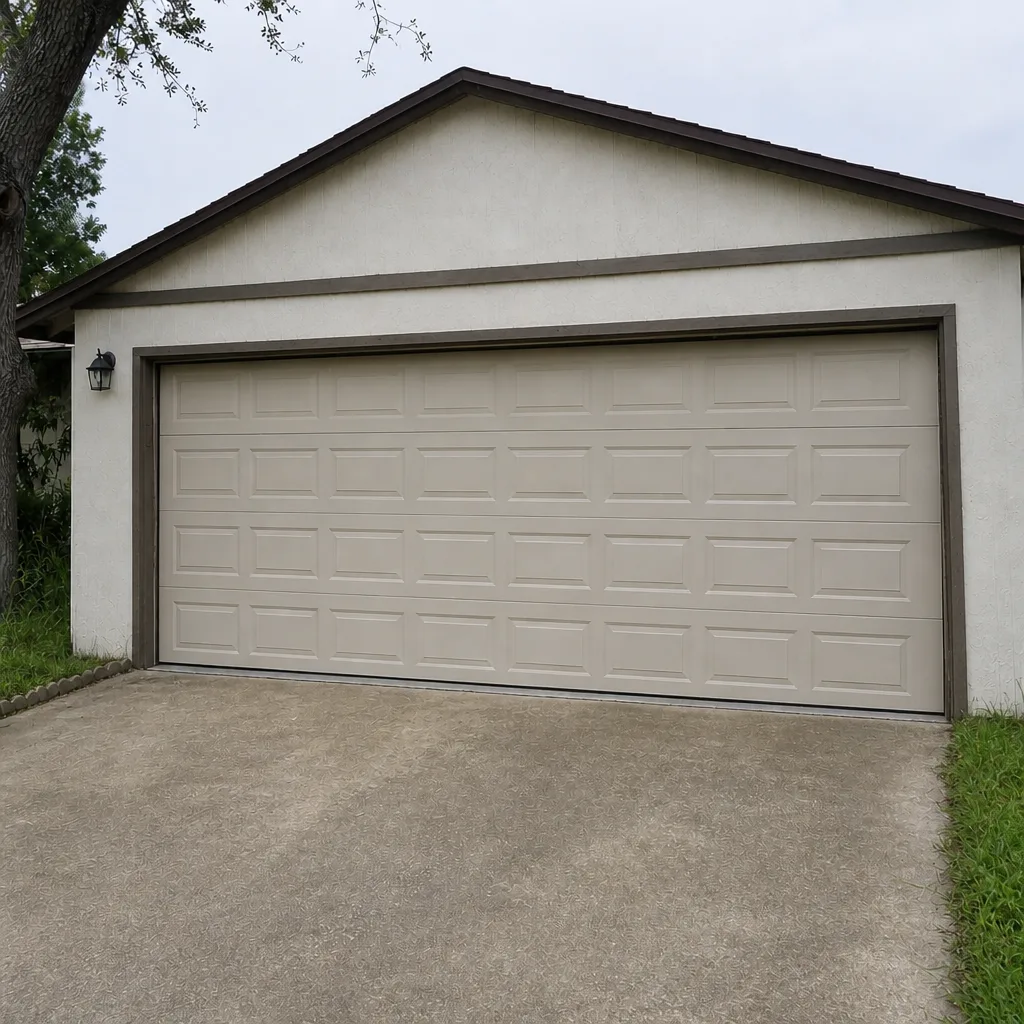 After
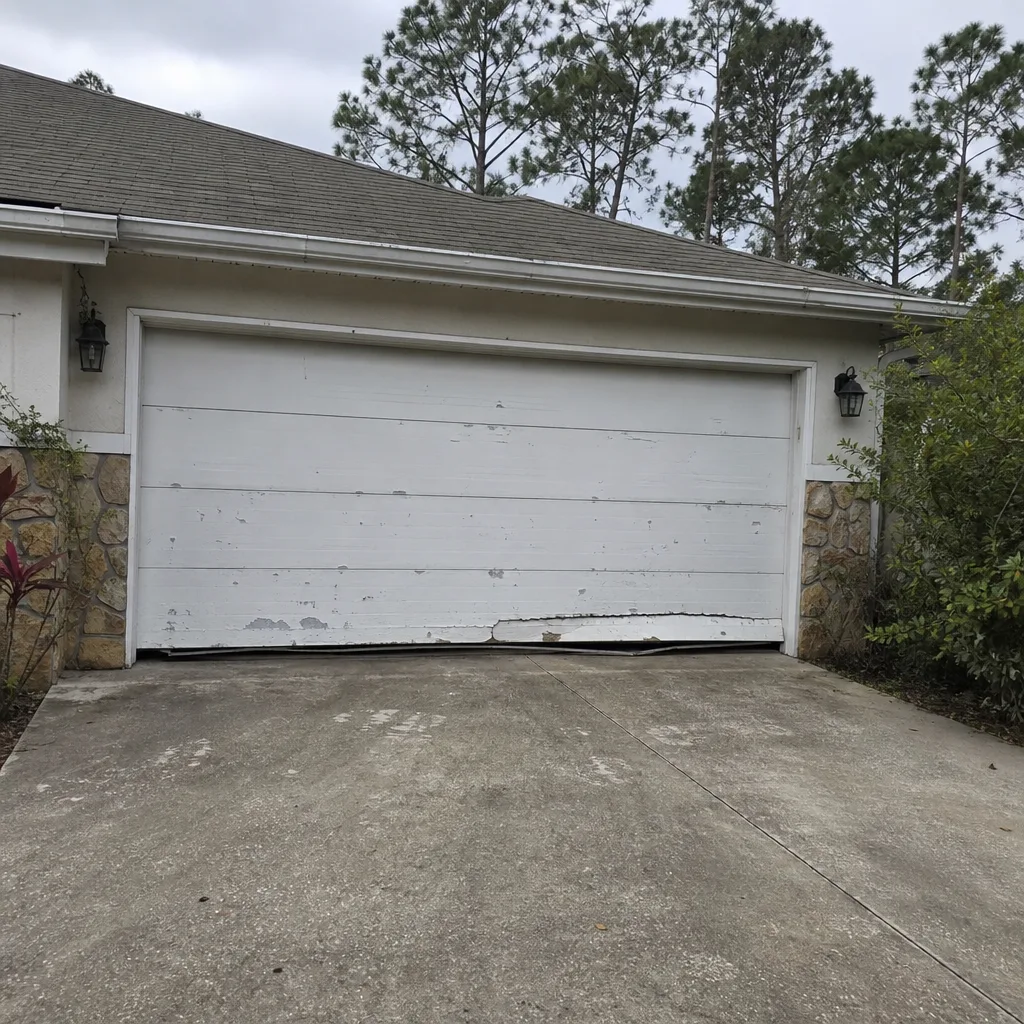 Before
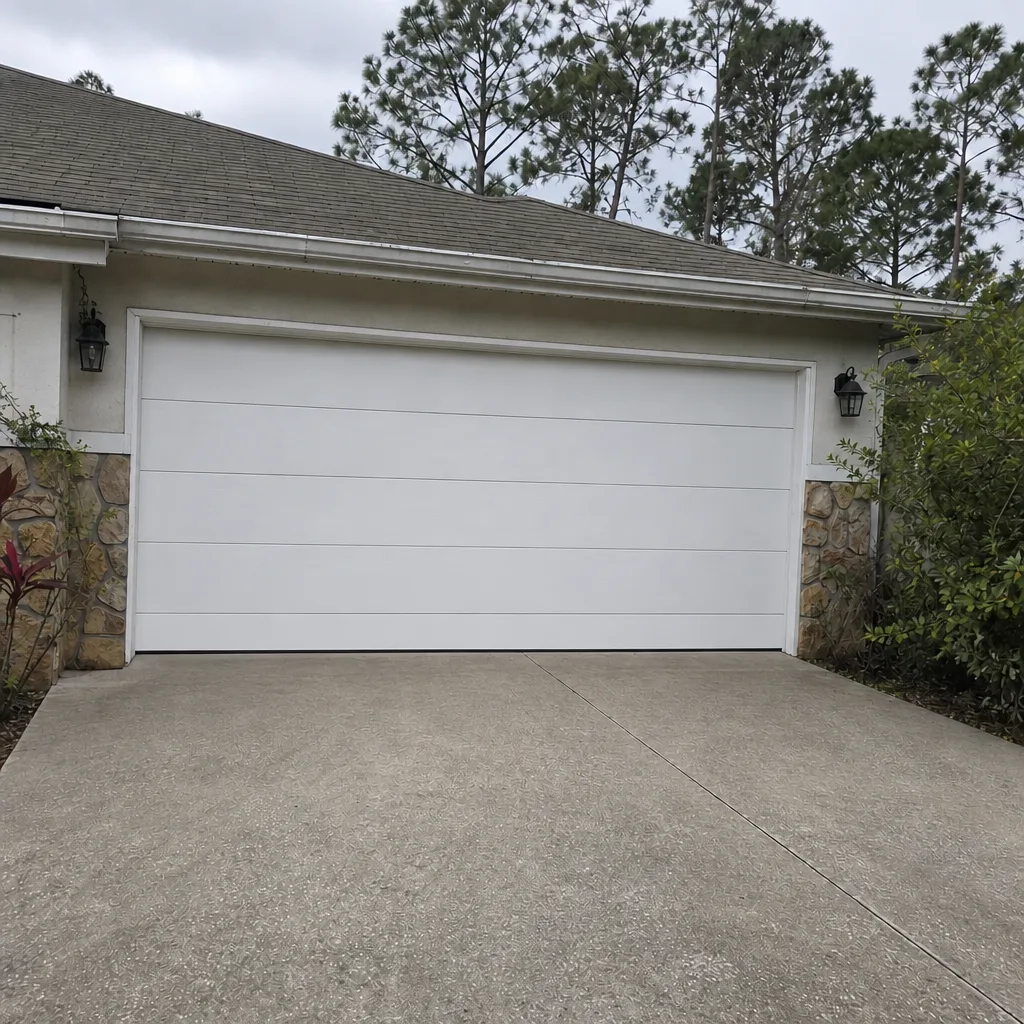 After
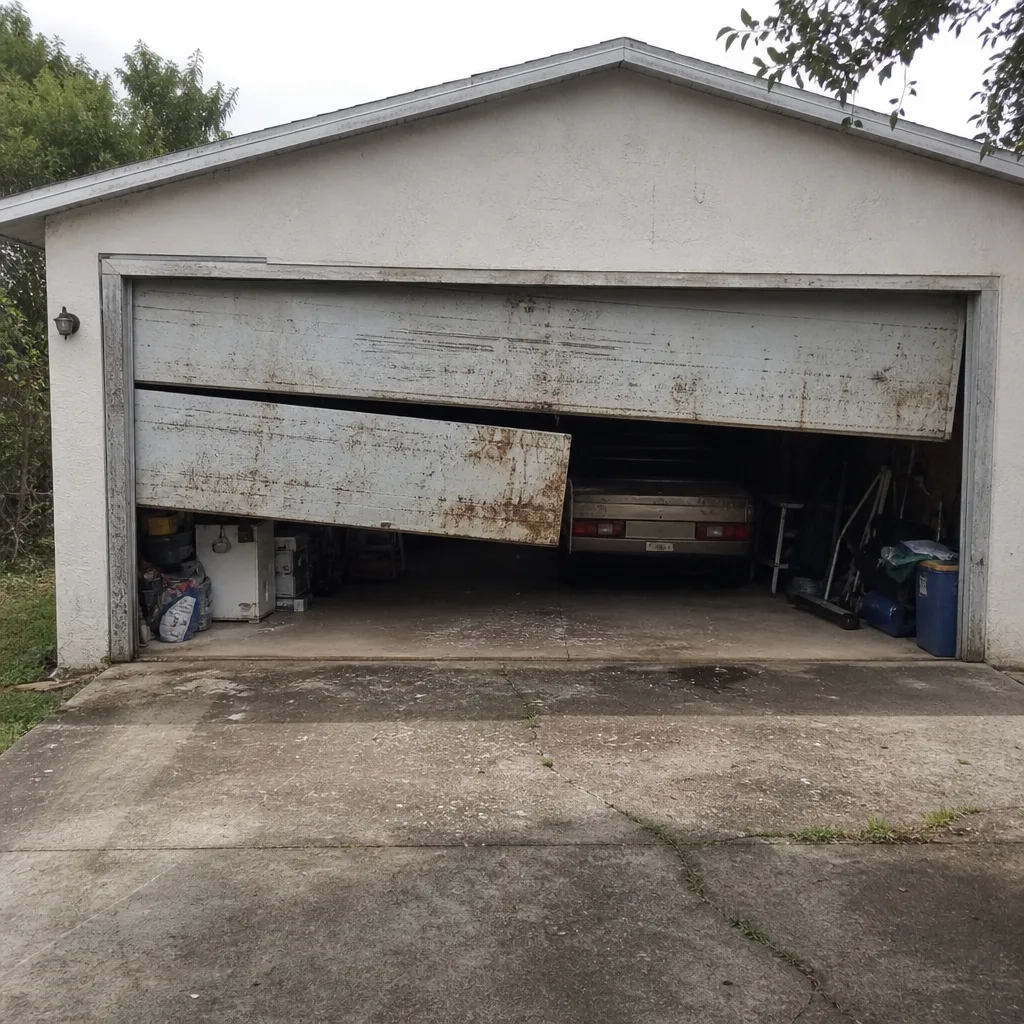 Before
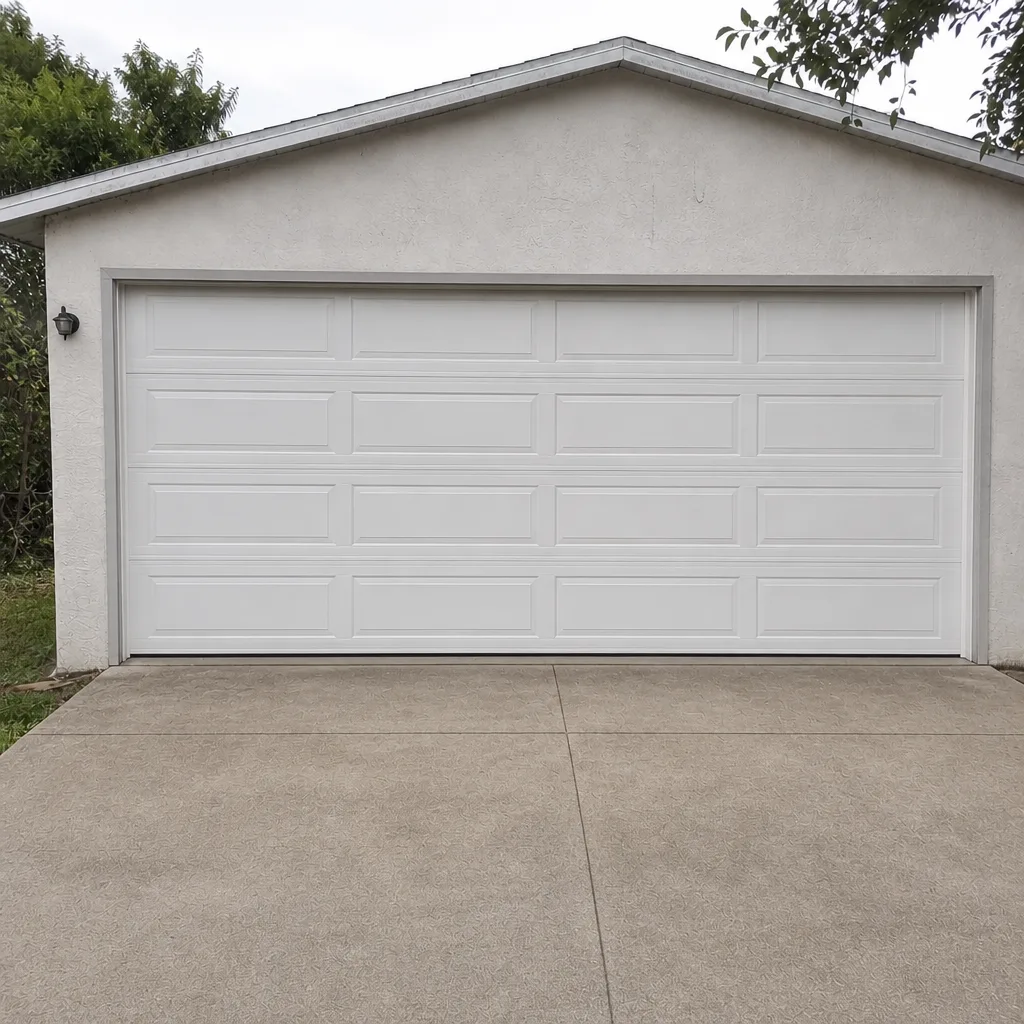 After
When to Call a Professional
Some seasonal care is yours to handle. Other jobs belong with a professional, and knowing the line is the point of this guide. Call a technician if your opener reverses or stops repeatedly during the close cycle, if you see a gap in a torsion spring or slack in a cable, if the door binds or drags in the tracks, if you hear a fresh grinding or popping noise, or if a named storm has passed through and anything on the post-storm checklist looks off. Any work on high-tension springs, cables, or the door’s structural anchors should go to a trained technician – those parts can cause serious injury, and adjusting them by hand is not a homeowner repair. If you’re unsure whether your door is wind-load rated or whether it’s safe after a storm, that’s worth a look too.
Arlington Garage Door Repair Co offers free estimates in Arlington – call (866) 937-7921. We handle garage door opener repair, spring repair, parts, and installation through one company, and we work on the brand already in your garage.
Frequently Asked Questions
The best window is late March to early May, before daily humidity climbs toward 80% and before the June 1 hurricane season start date. That stretch gives you dry air for lubrication, time to schedule repairs, and a healthy gap before summer heat and storm season. The mild winter months are also a good second window for a tune-up.
Peak summer heat can push a closed garage well past outdoor temperatures, and that stresses the electronics in LiftMaster and Chamberlain openers in particular. Thermal protection may shut the motor or logic board down before damage occurs, so sluggish or intermittent behavior on a hot afternoon isn’t always a failed opener. Have it diagnosed before you replace it.
A cold-stiffened bottom seal is one of the most common causes. The opener’s safety reverse reads resistance, and a seal that’s stiff or frozen to the floor creates enough to trip the sensor. Replacing the seal and re-checking the opener’s safety reverse setting usually resolves it.
Focus on the structural points: check anchor bolts for rust or looseness, confirm horizontal track bracing is tight, verify your door’s wind-load rating, test the manual release, and clear the door’s path of travel. Do this before June 1 so any repairs can be scheduled without pressure. A technician can walk this checklist with you if you’d rather not inspect the anchors yourself.
You can, but it’s often wasted effort. If storms roll through within 48 hours, much of the lubricant can wash off. If a door is squeaking mid-rainy-season, apply a small amount only to the problem points and do a proper job in the next dry window.
It depends on the door’s age, condition, and whether the problems are isolated or system-wide. A door that’s 15 to 20 years old or older with repeated issues may be a better candidate for replacement, while a newer door with an isolated spring or track problem is usually worth repairing. The right answer comes from a diagnosis, not a guess, and pricing is quoted for you before any work starts.
The Bottom Line
Seasonal garage door care in Arlington isn’t about four seasons – it’s about three windows. Get your inspection and lubrication done in the late-March-to-early-May dry stretch, protect the structural points before June 1, and stay ahead of summer heat with regular lubrication and a watchful eye on your opener. After any named storm, inspect before you operate. And in the mild winter, keep an eye on the bottom seal so false obstruction errors don’t strand you. Do those things and your door handles the year without drama. When something needs a technician, you want a company that works on your brand and diagnoses before it replaces.
Arlington Garage Door Repair Co handles repair, opener repair, spring repair, parts, and new installation through one company – no referrals, no second appointments. Call (866) 937-7921 for a free estimate in Arlington.
Written by the team at Arlington Garage Door Repair Co.