Last updated November 21, 2026
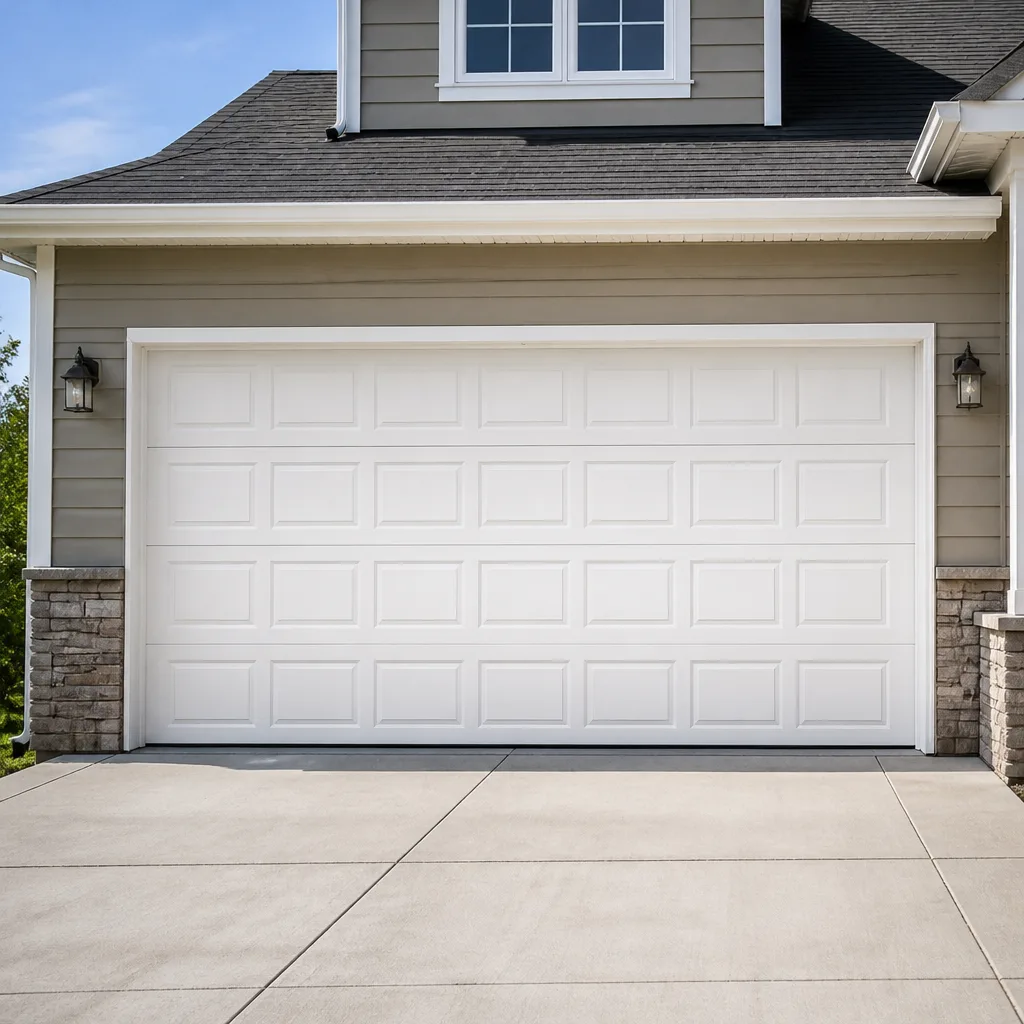 Raised-panel steel
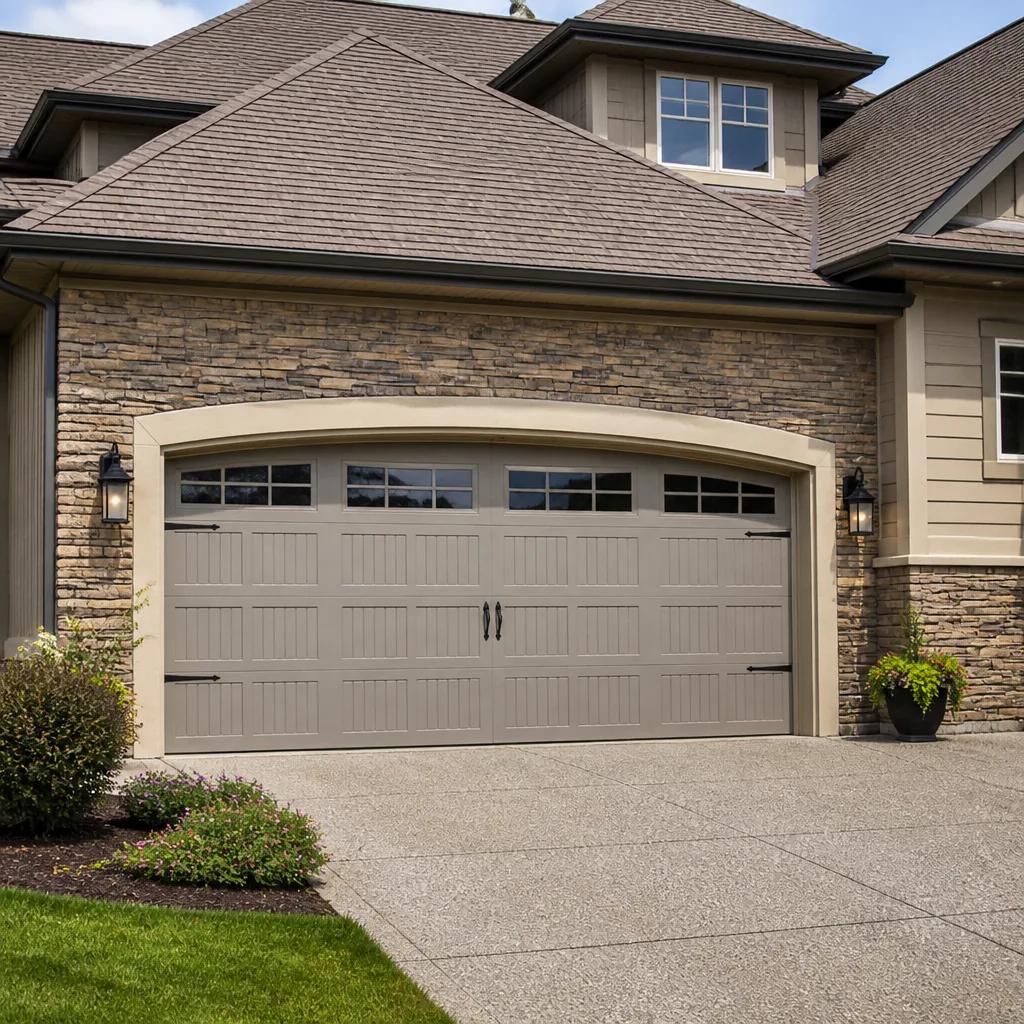
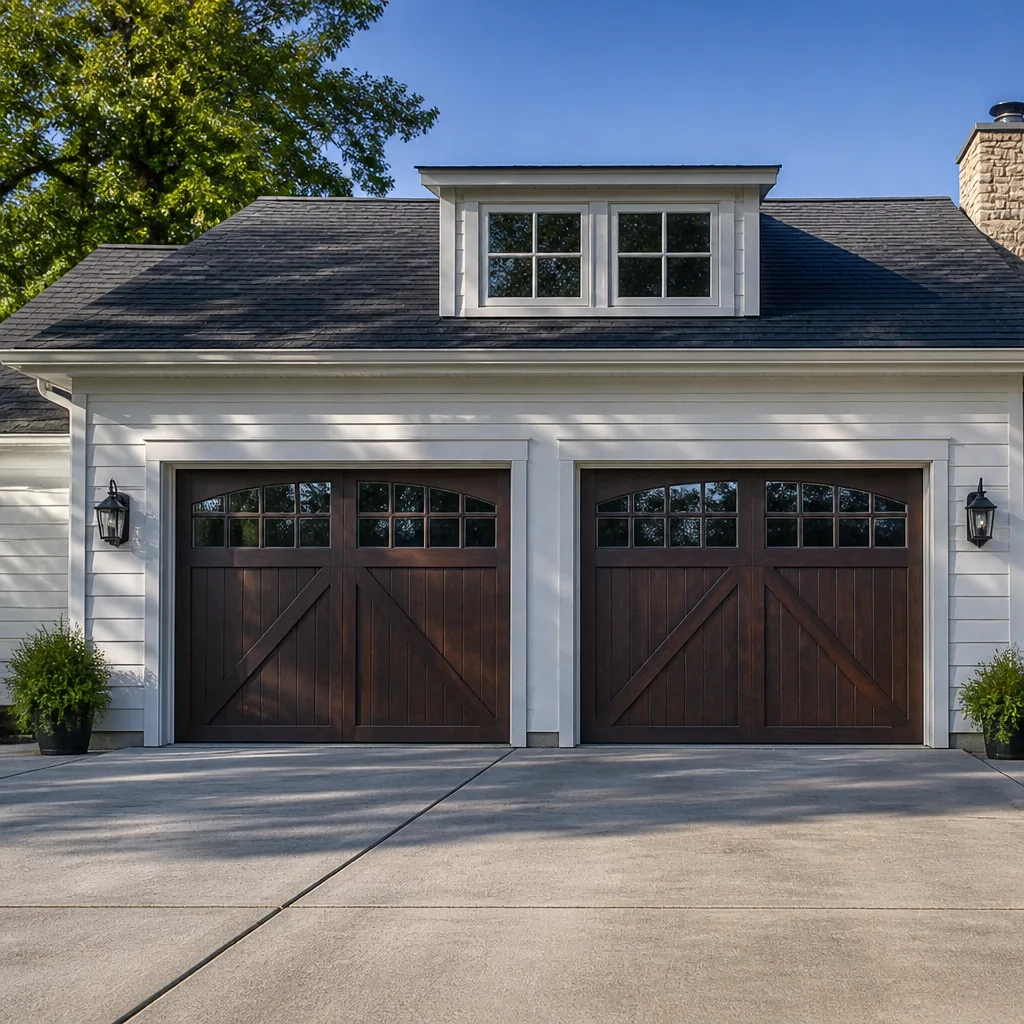 Carriage house
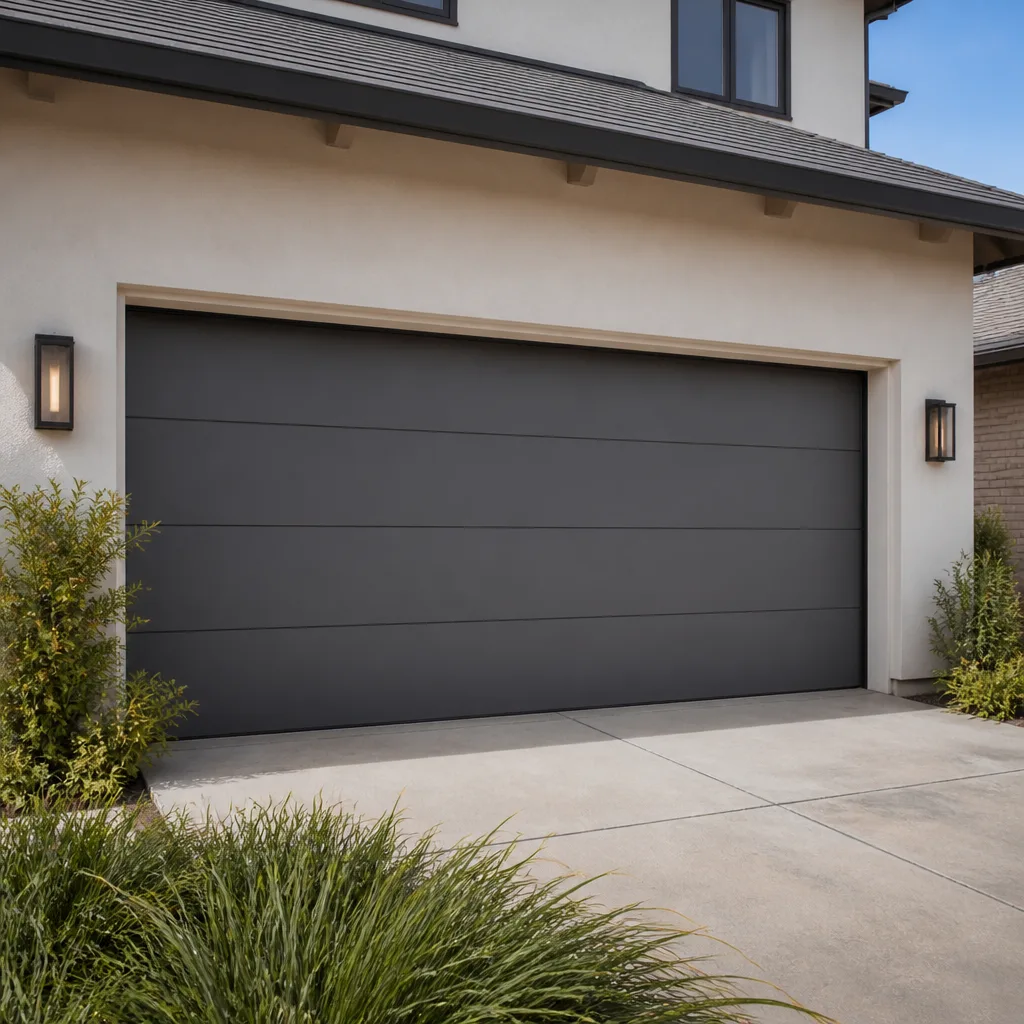 Modern flush
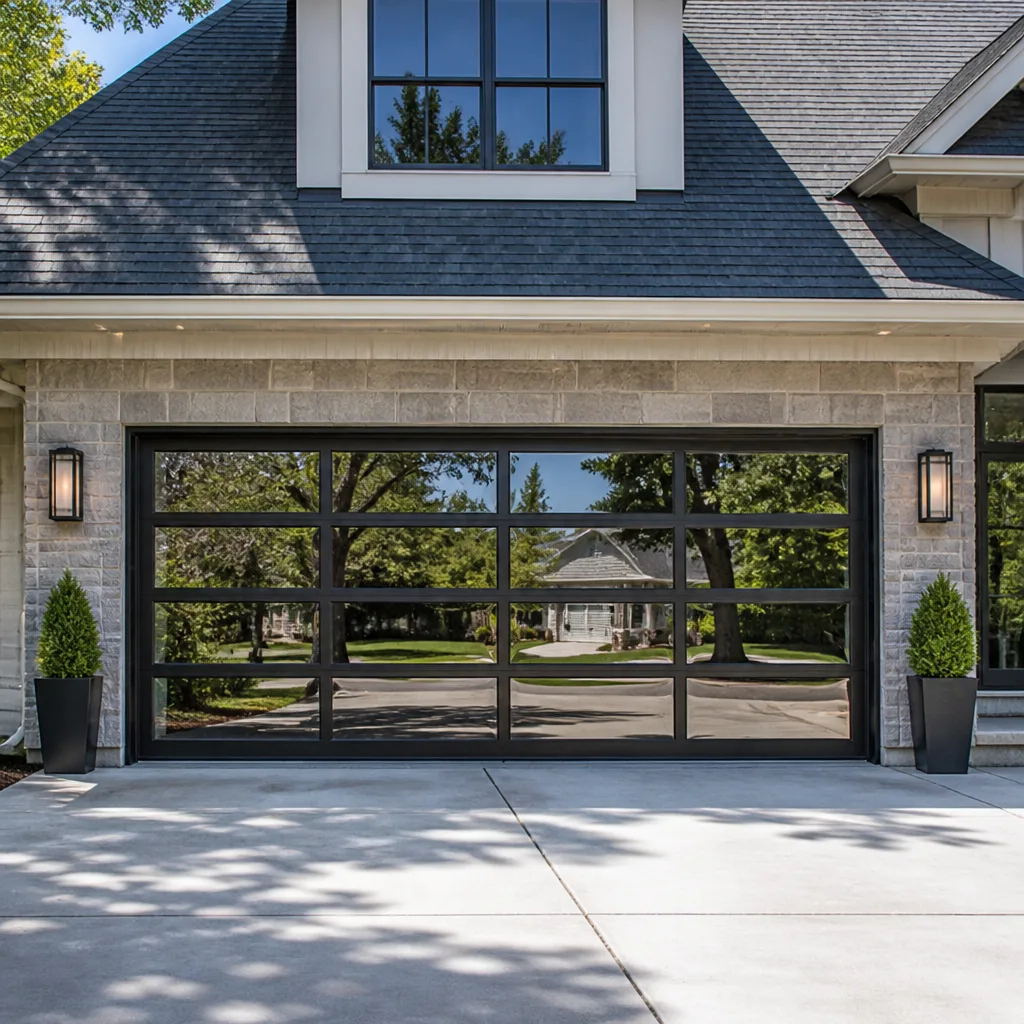 Full-view glass
 LiftMaster openers
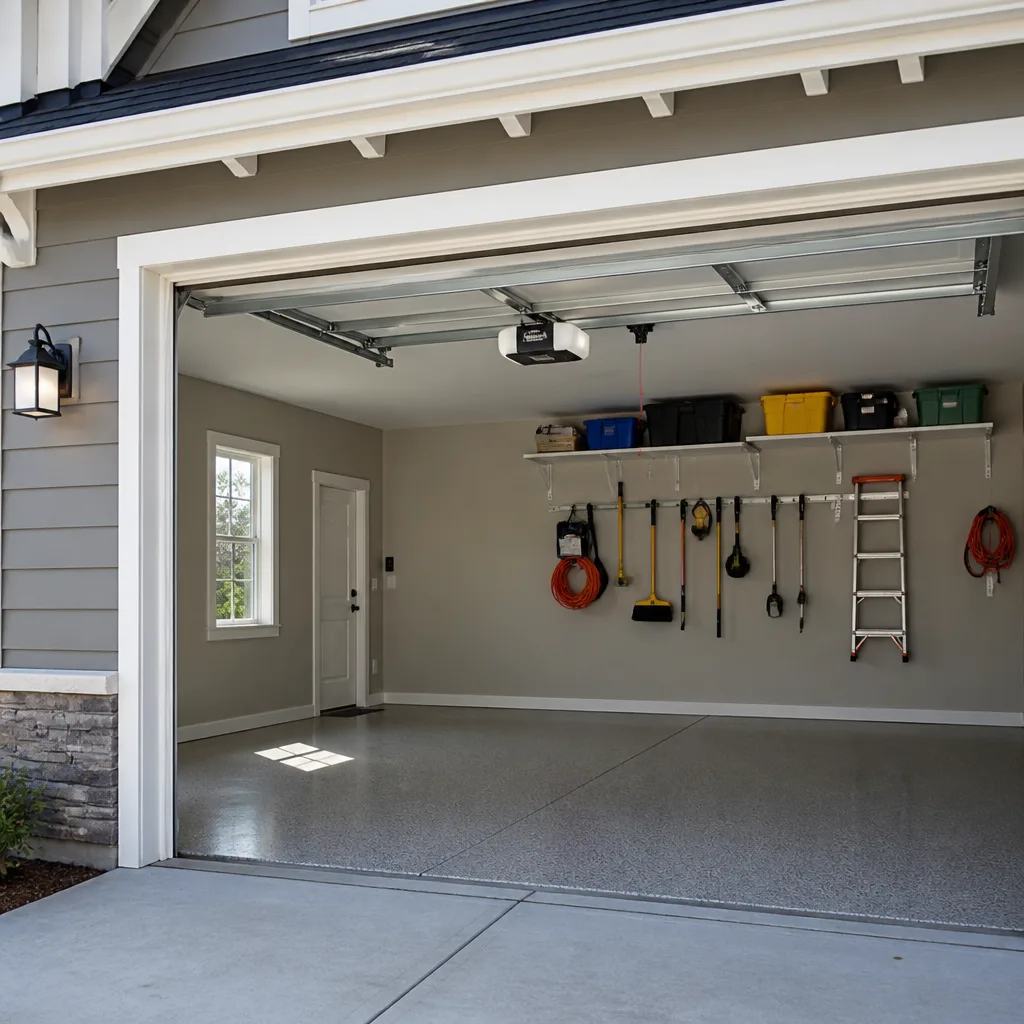 Chamberlain openers
Full 25-point door and opener safety check with every visit - springs, cables, rollers, tracks, and your LiftMaster or Chamberlain opener included
You get a price before we start. It does not change when the pro arrives.
Get your free estimateThe Complete Guide to Garage Doors in Arlington
Most garage door guides are written for places with real winters. Arlington isn’t one of them. We get around 54 inches of rain a year and summer humidity that sits near 90%, and those two facts change almost everything about how a garage door fails, how long it lasts, and what you should buy. The problems we diagnose in Arlington homes are rust, wood rot, and thermal expansion – not freeze damage. This guide maps every decision, from steel gauge to opener type to brand, against what actually holds up in northeast Florida. You’ll learn how to read a door’s construction, which materials survive the humidity, how to clear your HOA’s rules before you buy, and when a repair beats a replacement.
Quick Answer
The best garage door for an Arlington home is a 24-gauge or heavier steel door with a factory finish, insulated if the garage shares a wall with living space, paired with a belt-drive or battery-backup opener. In this climate, steel gauge, paint quality, and rust protection matter more than the door style, and humidity is the real enemy – not cold. Check your HOA’s color and style rules before ordering, and have any spring, cable, or opener work done by a trained technician.
Styles & brands we work with
- Raised-panel steel
- Carriage house
- Modern flush
- Full-view glass
- LiftMaster openers
- Chamberlain openers
Table of Contents
- Why Arlington’s Climate Changes What You Should Buy
- Steel Gauge Ratings: Why 24 vs. 25 Matters More Here
- Which Door Materials Last Longest in Northeast Florida Humidity
- HOA Rules in Arlington-Area Subdivisions and How to Navigate Them
- Choosing an Opener for Florida Power Outages
- Brand Availability and Local Parts in the Jacksonville Metro
- Repair or Replace? How to Decide
- Seasonal Maintenance for Arlington Garage Doors
Why Arlington’s Climate Changes What You Should Buy
Garage door manufacturers publish the same brochures for every market, and those brochures are usually written with cold-weather durability in mind. That’s the wrong lens for Arlington. Our winters are mild, so we don’t see the freeze-related cracking and ice-jam damage that drives door failures up north. What we do see, over and over, is moisture-driven wear: rust blooming along the bottom panel, wood sections soaking up humidity and swelling, and steel panels that expand and contract through hot afternoons and cool nights until seams and hardware start to loosen.
The 54 inches of annual rain here does more damage to a garage door than most homeowners expect. A door faces the weather every time it goes up, and the bottom seal and lowest panel take the brunt of it. That’s why rust along the bottom edge is the single most common thing we find on older Arlington doors. Once it starts, it spreads under the paint from the inside of the panel, where you can’t see it until it’s already a problem.
Summer humidity adds a second pressure point. Wood and wood-composite doors absorb moisture from the air, and that absorption causes swelling, warping, and eventually rot at the joints. Steel handles humidity better, but only if the finish and rust protection are intact. When we inspect a door in Arlington, we’re looking at the bottom panel, the hinges, the track, and the springs – the four places where humidity and daily cycling show up first.
- Rain: Strikes the door face and bottom seal every cycle; drives rust at the lowest panel.
- Humidity: Swells wood and composite; stresses paint on steel.
- Heat cycling: Expands and contracts steel; loosens hardware over years.
- Mild winter: Low freeze risk, so cold-weather damage is rare here.
Knowing which forces are actually at work in Arlington tells you what to spend money on. Rust protection and moisture resistance rank near the top. Extreme-cold ratings don’t.
Steel Gauge Ratings: Why 24 vs. 25 Matters More Here
Steel garage doors are measured in gauge, and the lower the number, the thicker the steel. A 24-gauge door has heavier steel than a 25-gauge door. In dry climates the difference between the two is easy to overlook, because a thinner door holds up reasonably well when there’s no moisture working against it. In Arlington’s humid air, that gap matters a lot more. Thicker steel resists the flex and denting that come with years of daily cycling and heat expansion, and it holds its shape and paint better when the humidity climbs.
Thicker steel also protects the finish. A 25-gauge panel flexes more each time the door moves, and that flex is what cracks paint along the seams and lets moisture get a foothold. A 24-gauge panel moves less, so the finish stays intact longer and rust has a harder time getting started. For a door that faces a northeast Florida summer, that’s a meaningful difference over a decade of use.
Gauge is only half of the rust story, though. The steel’s coating and the factory paint system do just as much work. A 24-gauge door with a poor finish will rust faster than a well-coated 25-gauge door. When you’re comparing doors in Arlington, ask what the steel is coated with and whether the finish carries any rust-through coverage. Then weigh that against the gauge. Here’s how we’d rank the priorities for this climate:
- Rust-resistant coating and finish – the first line of defense against humidity.
- Steel gauge – 24-gauge or heavier for durability and finish stability.
- Insulation – matters most if the garage touches living space.
- Hardware quality – hinges, rollers, and track hold up better when the steel is rigid.
You don’t need the heaviest door on the market. You need a door whose steel and finish are matched to the moisture load. For most Arlington homes, that’s a 24-gauge steel door with a solid factory finish, not the thinnest option on the showroom floor.
Which Door Materials Last Longest in Northeast Florida Humidity
Material choice is the biggest single decision you’ll make, and it’s the one where Arlington’s climate diverges most from generic advice. Wood has a place, but it’s the material that struggles most in humidity. Steel and aluminum both hold up well, with trade-offs. Here’s how the three common options compare for a northeast Florida garage.
Wood and Wood Composite
Wood is the material that suffers most from 90% summer humidity. Solid wood doors look great and can be refinished, but they absorb moisture, swell at the joints, and rot when the finish fails. Wood composite sits between solid wood and steel – it resists moisture better than natural wood but still needs periodic refinishing, and the joints remain vulnerable. If you love the look of wood, plan on regular maintenance to keep it in shape through Arlington’s wet season. Without that upkeep, wood and composite doors tend to have the shortest real-world lifespan of the three.
Steel
Steel is the workhorse for this climate. It doesn’t rot, it doesn’t absorb moisture, and with a good factory finish it resists rust well. The catch is that any damage to the coating, such as a scratch or a dented bottom panel, opens the door to corrosion. Keep the finish intact and steel is one of the longest-lasting choices for an Arlington garage. Steel also accepts insulation easily, which makes it a good fit for doors that separate the garage from the house.
Aluminum
Aluminum never rusts, which makes it appealing in a humid climate. It’s lighter than steel, so it puts less load on the opener and hardware. The trade-off is that aluminum dents more easily and offers less insulation value, though full-view aluminum doors with glass are popular for their looks. For the face of a door that never sees salt air or heavy impact, aluminum can hold up very well. It’s a strong choice when rust prevention is the top priority.
If you’re weighing a full door replacement, our garage door installation service walks through material and style options with you before anything is ordered, so the choice is matched to how your garage actually sits on the property.
HOA Rules in Arlington-Area Subdivisions and How to Navigate Them
Arlington’s mix of 1980s through 2000s tract homes means many subdivisions here have active HOAs, and those associations often control garage door color, style, and even panel design. This is the step homeowners skip, and it’s the one that causes the most expensive problems. Buying a door your HOA later rejects means you eat the cost of the door and the install. Before you order anything, take these steps:
- Get the current architectural rules. Ask your HOA for the written guideline on garage doors, not just a verbal answer. Rules get updated, and a neighbor’s approval from years ago may not reflect today’s standard.
- Submit the request early. Most associations require an architectural review before installation. Build that timeline into your planning so you’re not waiting on approval after the door has shipped.
- Match the neighborhood palette. Even when the rules allow flexibility, matching nearby homes keeps you on solid footing and avoids trouble at resale.
- Keep the approved paperwork. Save your approval letter. It settles any question later about whether the door was authorized.
The most common friction points in Arlington subdivisions are color (tan and white tend to be the safest bets) and window style. Some associations restrict window inserts or the number of windows per panel. Carriage-house style doors are popular, but confirm the specific style is on the approved list before ordering. When in doubt, ask your HOA in writing and keep the reply. It’s a short step that saves a long headache, and it’s the kind of detail worth sorting out before you spend money on a door. Our Arlington Garage Door Repair Co team can help you match a door to your home’s existing look once you know what your association allows.
Choosing an Opener for Florida Power Outages
Florida’s storm season means power outages, and an electric opener without backup leaves you pulling the manual release in the rain. That’s the strongest argument for a battery-backup opener in Arlington, and it’s the feature we’d put near the top of any opener decision here. Battery backup lets the door operate when the grid is down, which matters most during the storms that knock out power for hours. If you’re replacing an opener, or adding one to a new door, this is the feature worth prioritizing.
Beyond backup power, the drive type shapes how the opener feels and how much maintenance it needs:
- Belt drive: Quiet and smooth, a good match for attached garages near bedrooms.
- Chain drive: Durable and common, slightly louder, fewer parts to wear.
- Screw drive: Fewer moving parts but more noise; less common in homes here.
- Battery-backup models: Run the door during an outage, available across drive types.
Smart-home features are worth considering too. Modern openers from brands like LiftMaster and Chamberlain offer app control and alerts, which let you check whether the door is closed from your phone. That’s handy if you’ve ever driven away wondering. The right choice depends on your garage layout and how much quiet you want, so it’s worth talking through before you buy. If your current opener is acting up rather than failing outright, garage door opener repair is often the smarter move than a full replacement – a trained technician can tell you which one you actually need.
One more note on openers in this climate: the electronics inside the unit face humidity too, and a motor that runs hot through the summer can wear faster if the door is heavy or the springs are weak. A balanced door takes the load off the opener, which extends its life. That’s why we check spring tension and door balance before recommending a new unit.
Brand Availability and Local Parts in the Jacksonville Metro
Brand familiarity matters in a metro like Jacksonville, where parts availability can mean the difference between a door fixed today and one waiting on an order. We work on the brands that are actually in Arlington garages, and knowing them well means fewer surprises when a part is needed. The names we see most are LiftMaster and Chamberlain for openers, Genie for openers and accessories, and Clopay and Amarr for doors. Craftsmanship matters, but so does whether the technician recognizes your specific model and knows where its parts come from.
Parts availability is its own kind of repair expertise. When a door is down, the delay most homeowners dread is the phrase “we’ll have to order that.” Dedicated garage door service with parts built into the offering shortens that gap, because the person diagnosing the problem is also the one who knows the part and can get it moving. For Arlington homes with common brands like LiftMaster and Chamberlain, that usually means fewer return visits. For less common setups, it means an honest conversation about the timeline up front.
Brand-specific knowledge also protects you from unnecessary replacement. An opener that’s acting up is often a worn gear, a failing logic board, or a sensor issue, not a dead unit. A technician who knows the brand can diagnose the actual fault and repair it rather than selling a whole new opener. That’s the difference between fixed and replaced. The same holds for doors: a damaged panel on a Clopay or Amarr door can sometimes be replaced on its own, and knowing the model makes that possible.
Repair or Replace? How to Decide
This is the question homeowners ask most, and there’s no single answer, but there are clear signals. Springs, cables, and rollers wear out and are meant to be replaced. A single dented panel can often be swapped without a new door. On the other hand, a door with rust through multiple panels, a bent track that’s pulled the door out of square, or a frame that’s rotted at the base is usually past the point where repair makes sense. Here’s how we think through it:
- Repair when the issue is a worn part – springs, cables, rollers, hinges, or a single opener component.
- Repair when one panel is damaged and the rest of the door is sound.
- Replace when rust has spread across several panels, especially along the bottom edge.
- Replace when the track or framing is bent or rotted beyond a simple fix.
- Replace when the door is out of balance and the structure has started to fail.
In Arlington’s humidity, rust spread is the most common reason a door moves from repair to replacement. Once corrosion gets under the finish on multiple panels, patching it costs more than it’s worth and the rust returns. A trained technician can look at a door and tell you honestly which side of that line you’re on. That’s the call that saves money – fixing what’s fixable and replacing only what needs it. Our garage door repair team diagnoses first and recommends the repair that solves the problem, not the replacement that costs more.
Seasonal Maintenance for Arlington Garage Doors
A little upkeep in this climate goes further than in drier regions, because moisture does the slow damage. You don’t need to be handy to keep a door healthy, but a few habits and a yearly look-over make a real difference. Here’s what a sensible routine looks like for an Arlington garage:
- Check the bottom seal. The weather seal is the door’s front line against rain. Look for cracks or gaps; a worn seal lets water reach the bottom panel and start rust.
- Look for rust along the lowest panel. Catch it early, before it spreads under the paint.
- Lubricate hinges, rollers, and springs. A proper garage door lubricant keeps moving parts smooth through heat cycling.
- Test the balance. Disconnect the opener and lift the door halfway; it should hold. If it drifts, the springs need attention.
- Listen to the opener. New grinding, rattling, or straining usually means something’s wearing.
- Wash and inspect the finish. Keep the factory paint intact; touch up scratches before rust can start.
One habit worth building: don’t ignore a door that’s gotten louder or slower. In humidity, small changes often signal a spring that’s losing tension or a roller that’s drying out, and catching them early keeps a small repair from becoming a big one. For the parts of the system under tension, though, leave the work to a technician – more on that below.
Common Mistakes to Avoid
- Buying the thinnest steel door to save money. A 25-gauge door can look fine in dry air but flexes more and cracks its finish faster in Arlington’s humidity. The upfront savings often return as rust and repainting.
- Ordering before checking HOA rules. A door your association rejects is money out the window. Get the written guideline and approval first, every time.
- Choosing wood without a refinishing plan. Wood and composite doors need regular upkeep in this climate. Without it, moisture and rot win.
- Ignoring the bottom seal. A worn seal lets rain reach the bottom panel, which is exactly where rust starts. It’s a cheap part with a big effect.
- Skipping battery backup on a new opener. In a storm-prone region, a door that won’t open without power is a hassle you can avoid.
- Trying to fix springs or cables yourself. These parts are under extreme tension and can cause serious injury. This is work for a trained professional, always.
- Replacing an opener when it just needs a repair. Worn gears and sensors are fixable. A brand-familiar technician can save you the cost of a whole new unit.
See the difference
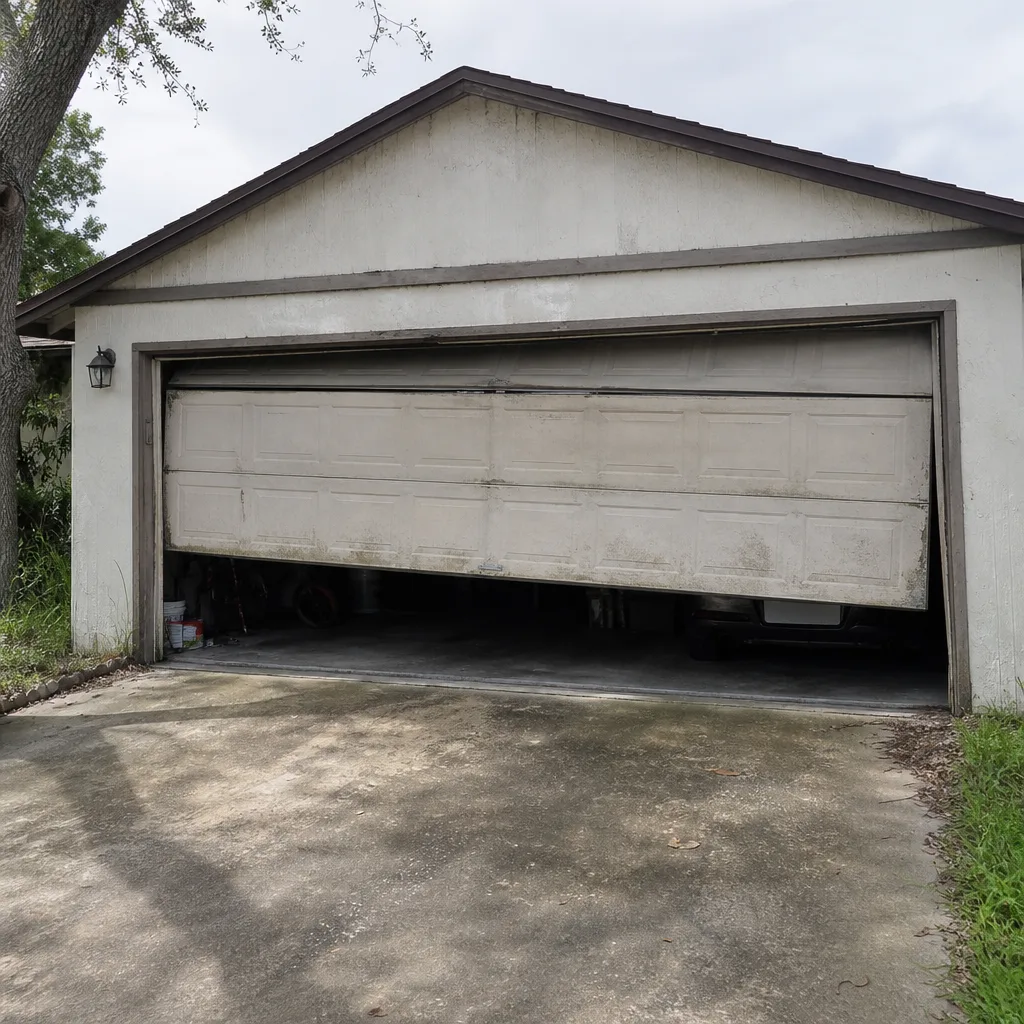 Before
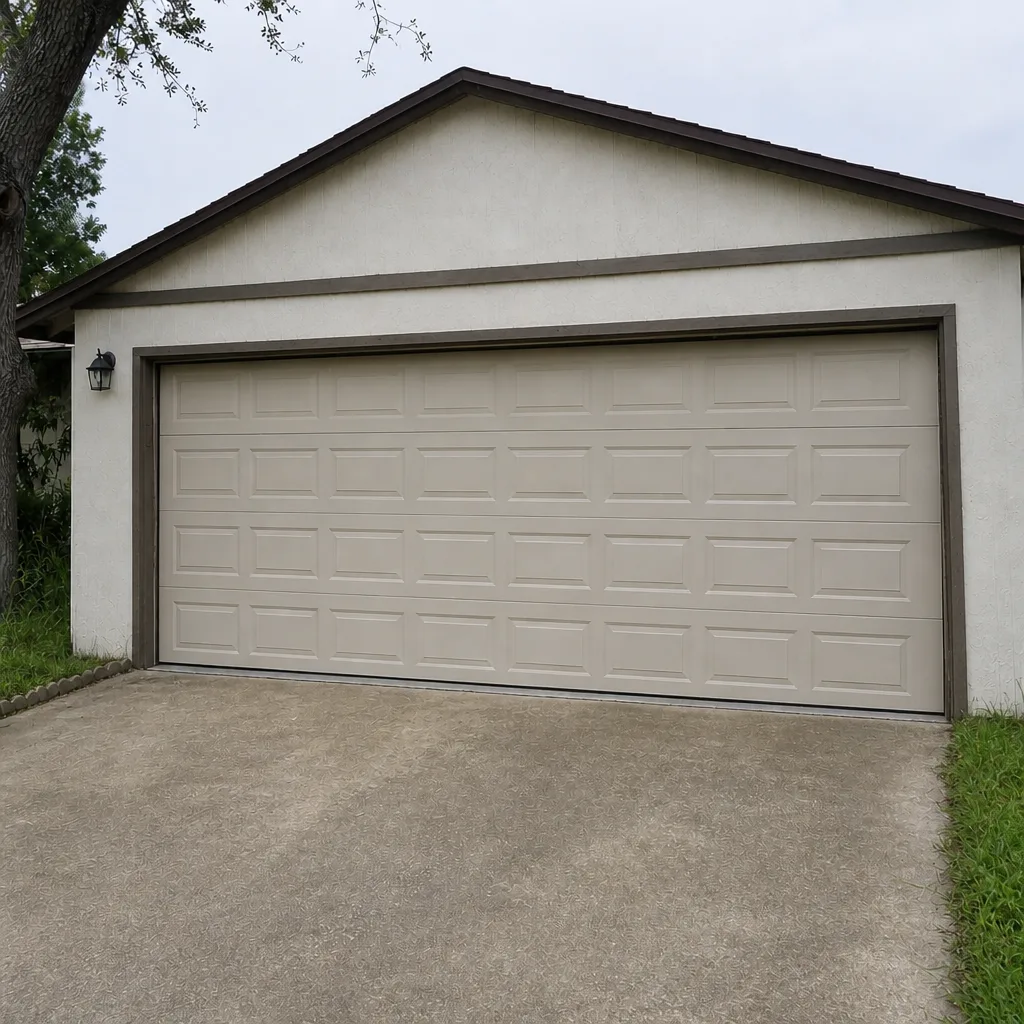 After
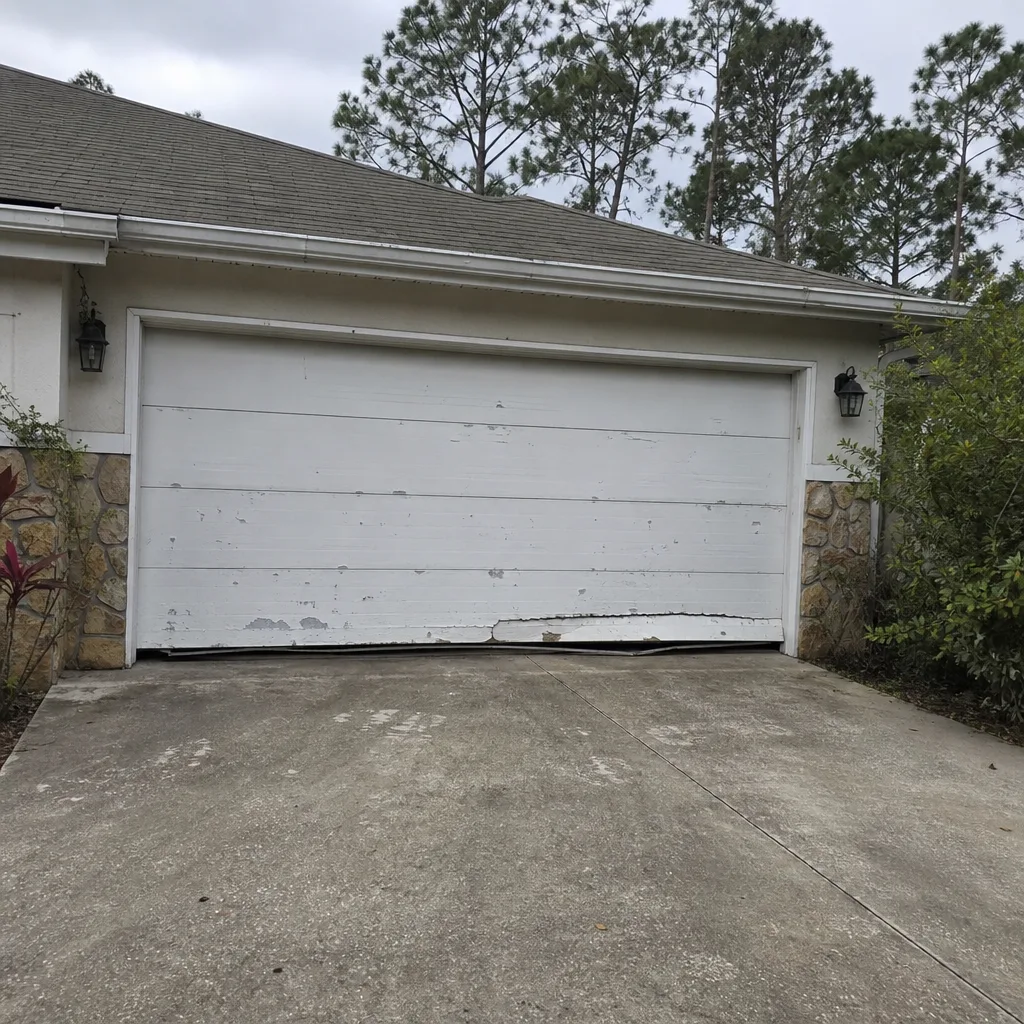 Before
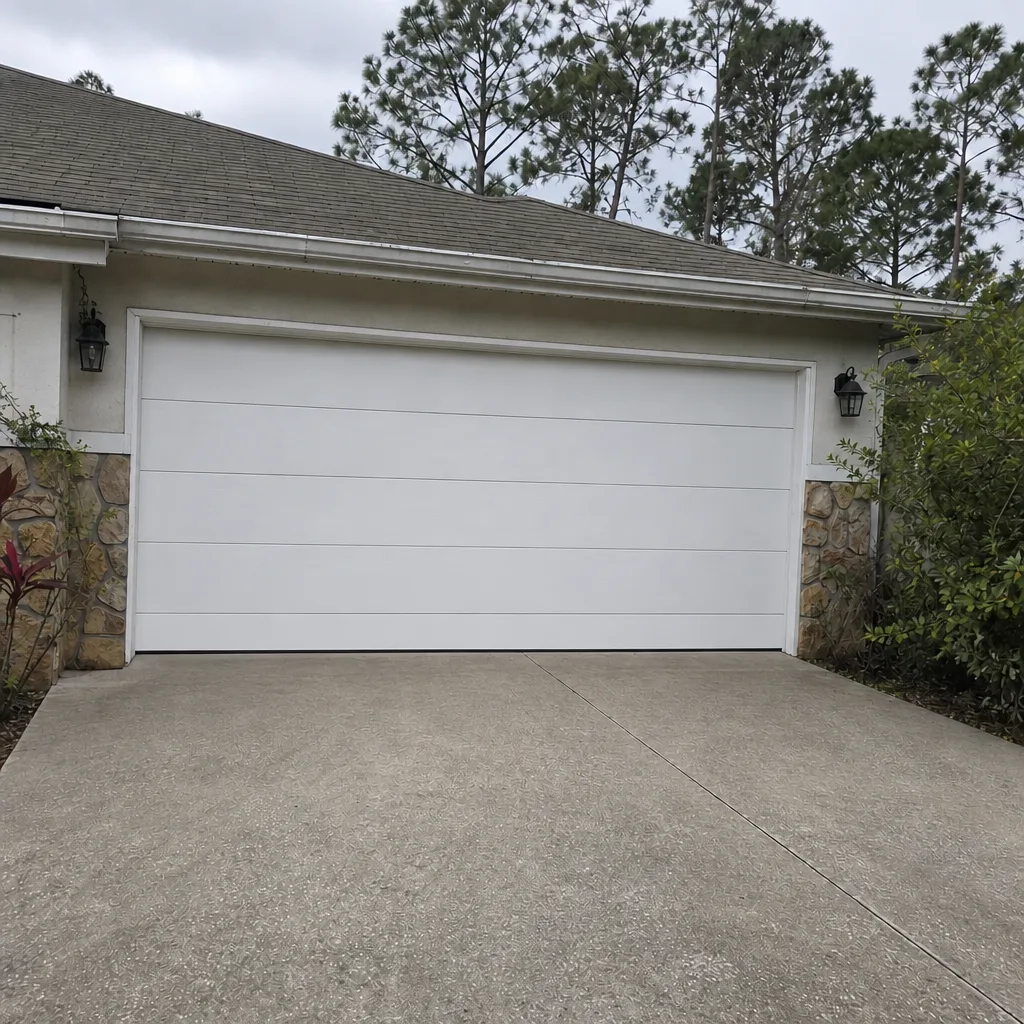 After
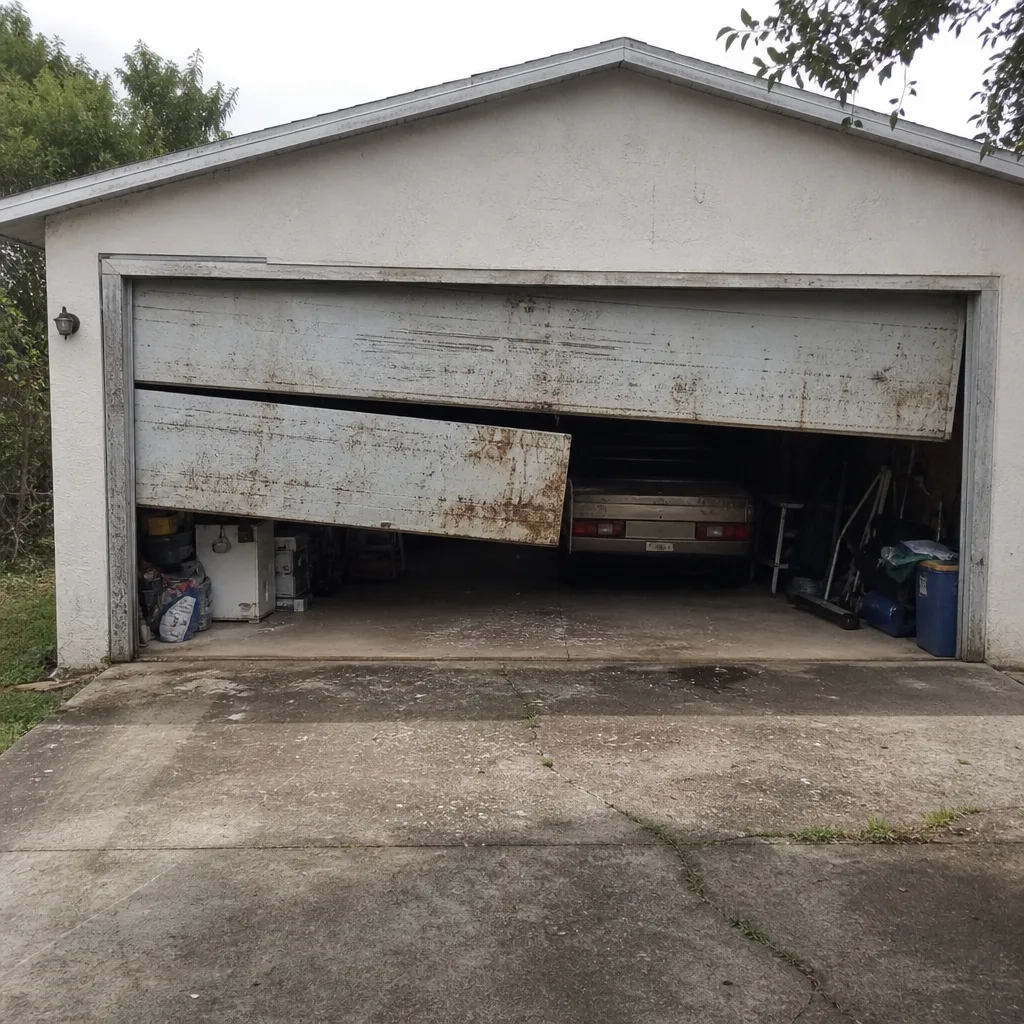 Before
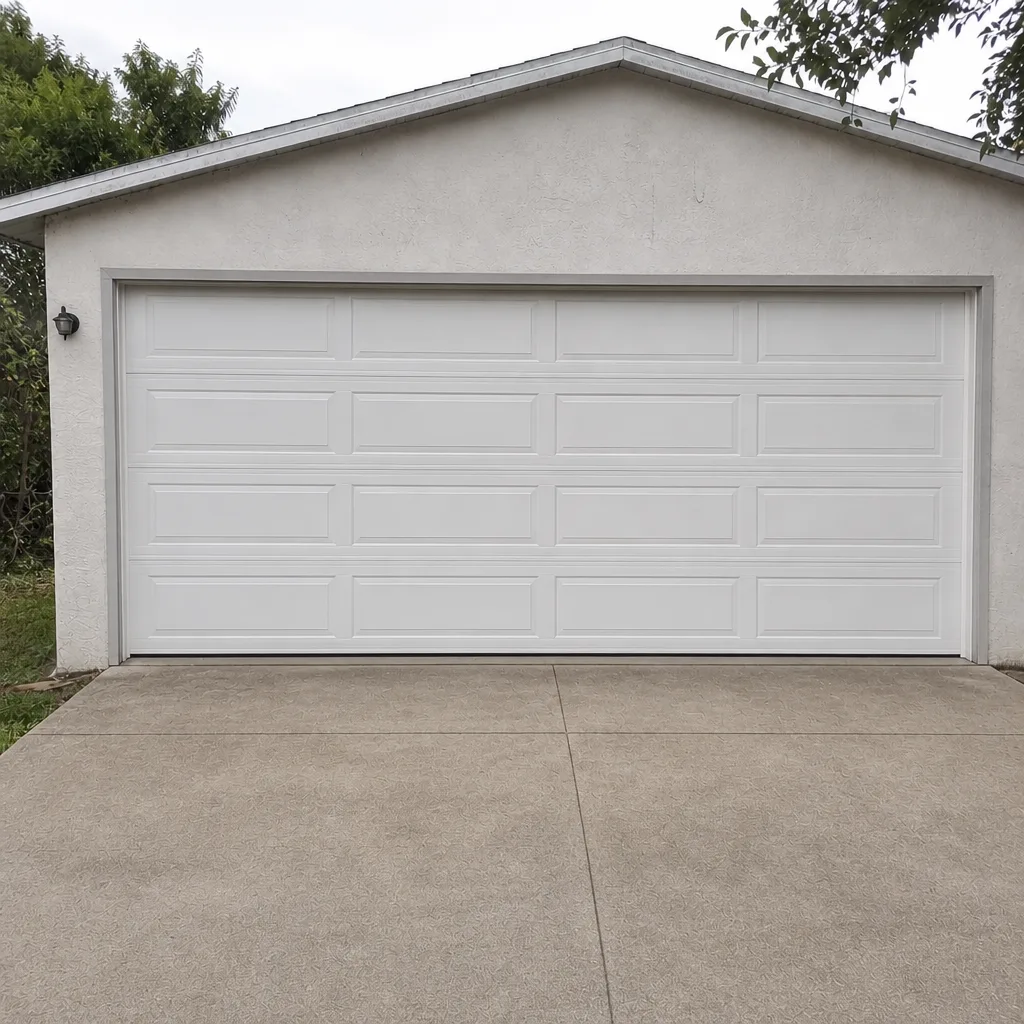 After
When to Call a Professional
Some garage door work is safe to handle yourself: lubricating hinges, checking the bottom seal, testing balance, washing the finish. Other work is genuinely dangerous. Springs, cables, and the high-tension hardware that holds a door’s weight are under enormous pressure and can cause serious injury if handled wrong – a trained technician has the tools and the safety protocol for that job, and it’s not something to attempt at home. Call a professional when a spring snaps, when the door comes off its track, when the opener strains or the door won’t stay up, when a cable is frayed, or when you’re not sure what’s wrong. Electrical panel or wiring work on an opener deserves a trained hand too. For any of these, Arlington Garage Door Repair Co offers free estimates in Arlington – call (866) 937-7921 and we’ll diagnose the problem and quote the repair before any work starts. Our technicians have up to 13 years of experience, and the written estimate is the price.
Frequently Asked Questions
A new single-car steel door in Arlington typically runs roughly $800 to $2,000 installed, while a double-car door generally falls in the $1,500 to $3,500 range depending on gauge, insulation, and style. Custom and carriage-house designs can go higher. These are typical estimates; the written quote you get after a measure sets the final price. Call (866) 937-7921 for a free estimate on your door.
Steel and aluminum generally last longest in Arlington’s humid climate, with steel leading when the factory finish stays intact and aluminum winning on rust resistance. Wood and wood composite need regular refinishing to hold up. The best choice depends on your budget, your HOA, and whether the garage shares a wall with living space.
Battery backup isn’t required, but it’s worth having in Arlington because storm-season power outages can leave a standard opener unusable. A battery-backup unit lets the door run when the grid is down. If you’re replacing an opener, it’s the feature we’d prioritize first.
Yes, in many cases a single damaged panel can be replaced without a new door, as long as the model is still available and the rest of the door is sound. Brands like Clopay and Amarr often make this possible. If rust has spread across several panels, a full replacement usually costs less in the long run.
It depends on your local building department, so check with the City of Arlington or Jacksonville before you install. Requirements vary, and it’s a quick call that avoids problems later. Your HOA may also require architectural approval on top of any municipal rule.
No – the price is quoted and agreed before any work starts, and that written estimate is what you pay. We diagnose first so the quote reflects the actual problem, not a guess. Call (866) 937-7921 for a free estimate.
The Bottom Line
Arlington’s garage doors fail from humidity, rain, and heat cycling, not winter cold. Shop by steel gauge (24-gauge or heavier), keep the factory finish and bottom seal intact, expect regular upkeep on wood, check your HOA rules before ordering, and put battery backup on your opener shortlist. When springs, cables, or tracking go wrong, that’s professional work. Fix what’s fixable, replace only what’s past saving, and match every choice to how your garage actually sits in northeast Florida. For repair, parts, openers, or a new door, call Arlington Garage Door Repair Co at (866) 937-7921 for a free estimate and straight talk about what your door needs.
Written by the team at Arlington Garage Door Repair Co.