Last updated November 21, 2026
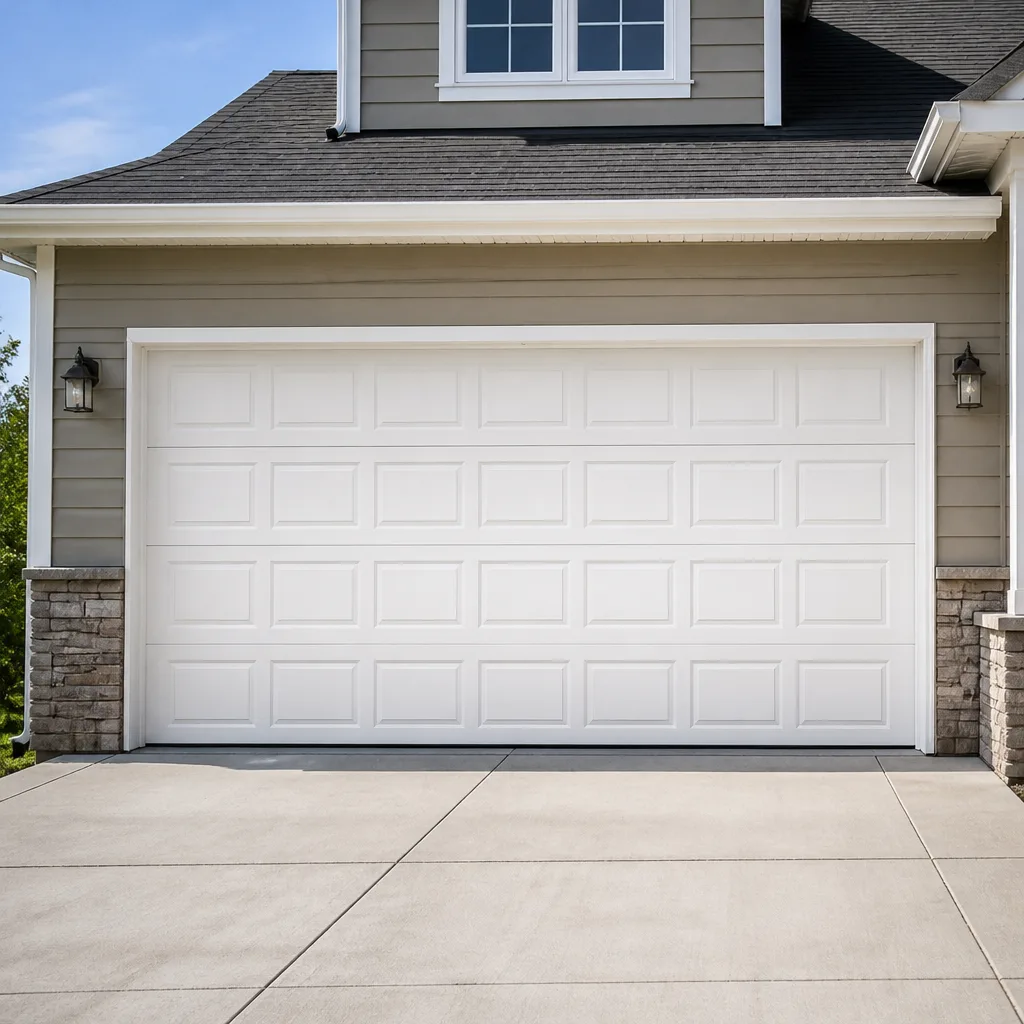 Raised-panel steel
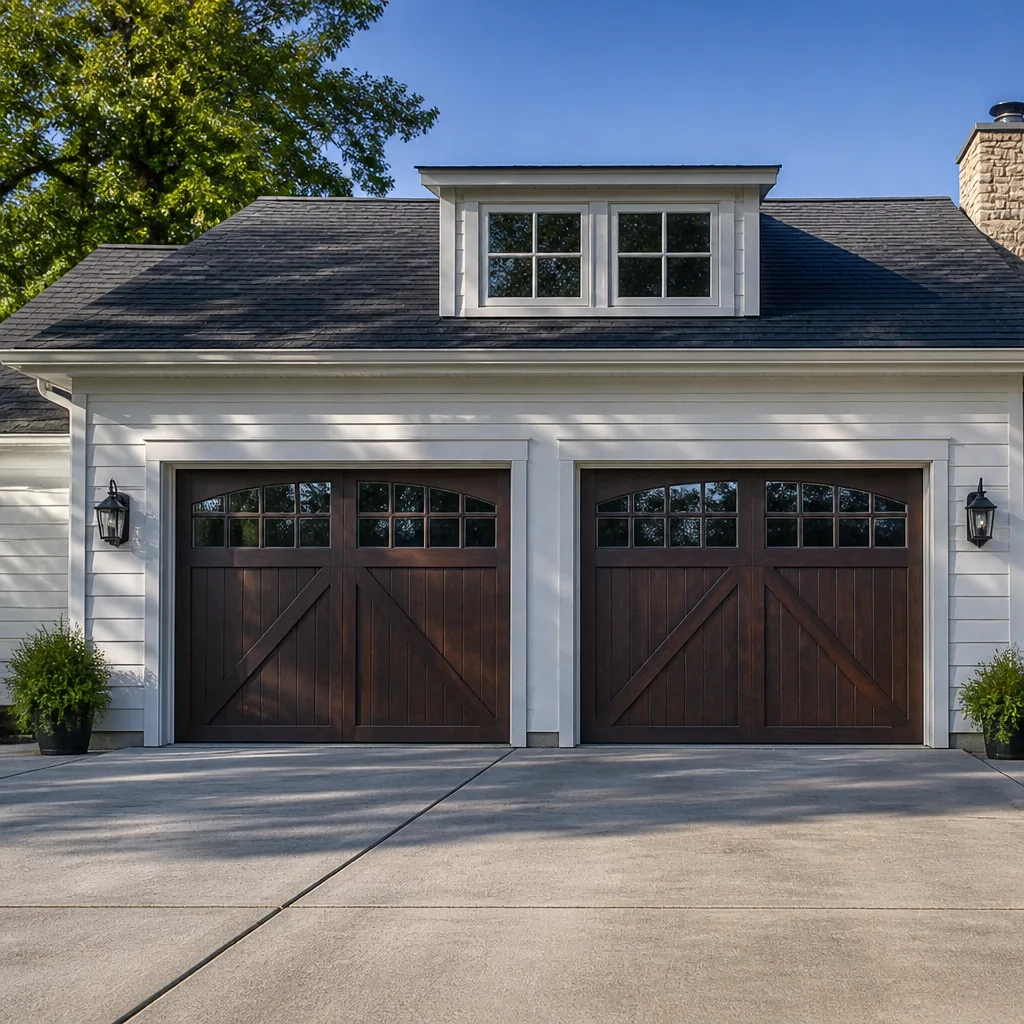 Carriage house
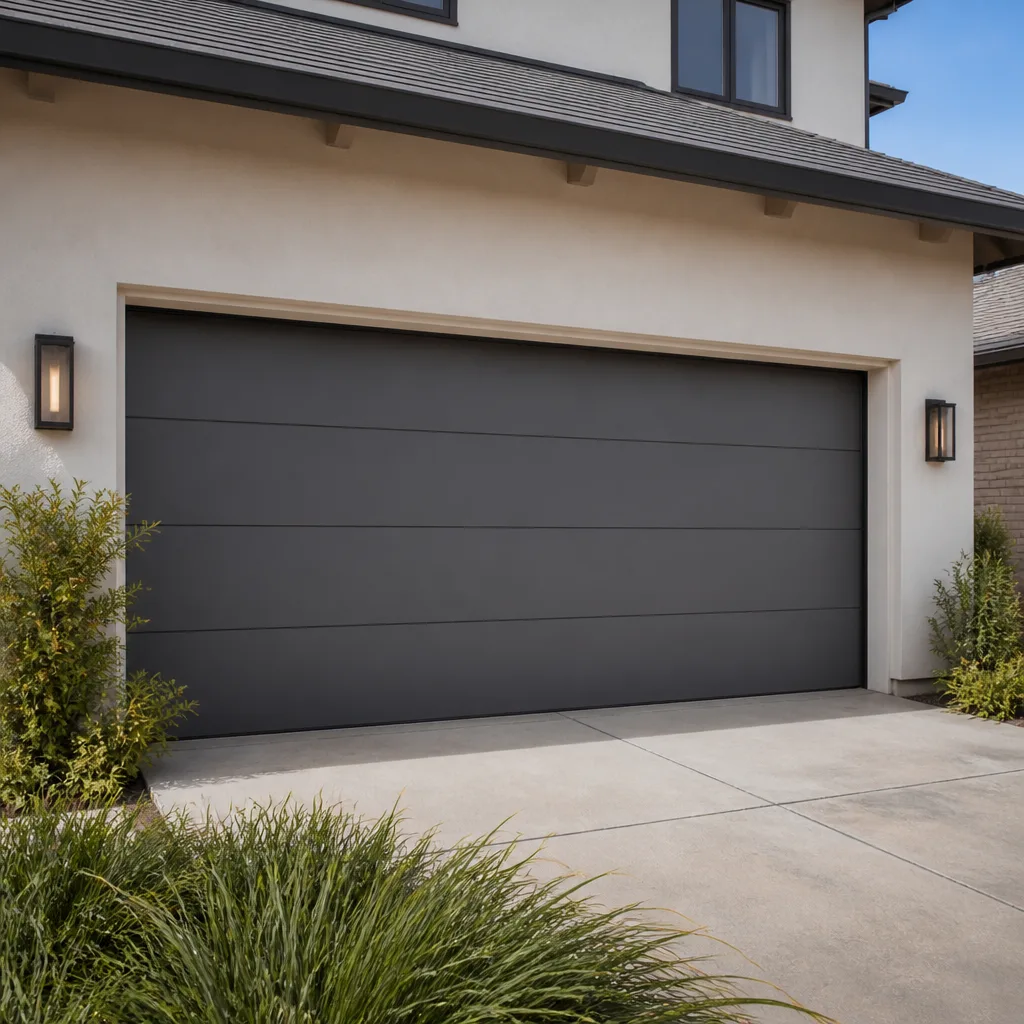 Modern flush
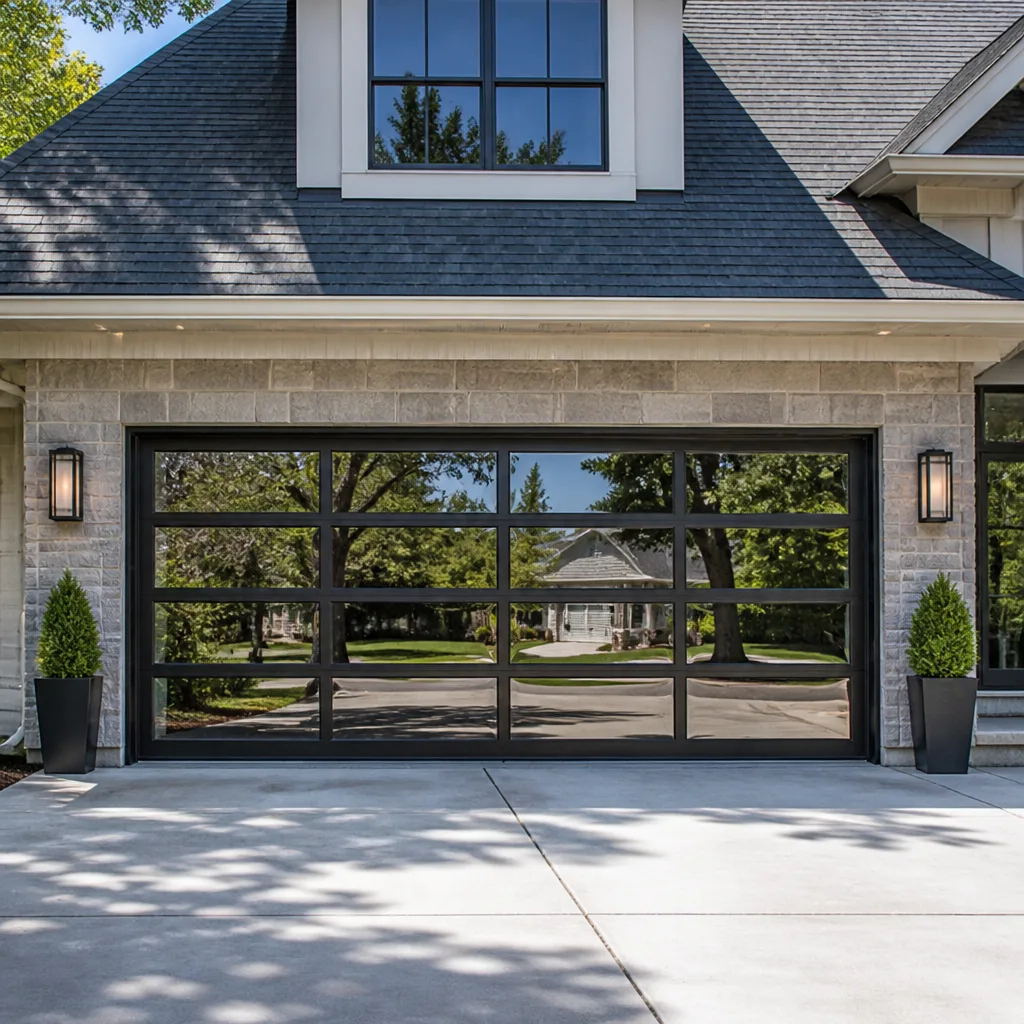 Full-view glass
 LiftMaster openers
 Chamberlain openers
Full 25-point door and opener safety check with every visit - springs, cables, rollers, tracks, and your LiftMaster or Chamberlain opener included
You get a price before we start. It does not change when the pro arrives.
Get your free estimateGarage Door Permits, Codes & Inspections in Arlington, FL: What You Need to Know
Most Arlington homeowners assume a garage door replacement is a no-permit job. It’s a door, not an addition. You pick the model, a crew swaps it out in an afternoon, and that’s the end of it. That assumption holds some of the time and fails badly the rest of the time. If your Arlington home sits within a wind-borne debris region, and much of Duval County does, your replacement door has to meet a specific wind-load rating under the Florida Building Code. Skipping the permit doesn’t make that requirement disappear. It just moves the discovery to the worst possible moment: a home inspection during a sale, when a flagged door can stall a closing and force you to tear out work you already paid for. This guide walks through when a permit is actually required in Arlington, how to read the wind-load requirements, what a Duval County inspection checks behind the door, and what happens when an installation was never permitted at all.
Quick Answer
In Arlington and across Duval County, replacing a garage door usually requires a permit when the new door differs in model, wind rating, size, or attachment from what was originally approved. A true like-for-like swap may qualify for a simpler path, but you should confirm with the city’s building department before you buy. Your door also has to meet the wind-load requirements for your address under the Florida Building Code, which means matching a rated door to your wind zone. Opener swaps and routine spring or part repairs generally do not trigger a permit. The written approval and final inspection are what protect you at resale.
Styles & brands we work with
- Raised-panel steel
- Carriage house
- Modern flush
- Full-view glass
- LiftMaster openers
- Chamberlain openers
Table of Contents
- Is Your Arlington Address in a Wind-Borne Debris Region?
- When Does a Garage Door Replacement Need a Permit in Duval County?
- FBC Section 1609 and Wind-Load Ratings: What to Look For
- What a Duval County Garage Door Inspection Actually Checks
- The Cost of an Unpermitted Garage Door at Resale in Florida
- Step-by-Step: The Permit and Inspection Process in Arlington
- What About Opener Replacement and New Construction?
- Common Mistakes to Avoid
Is Your Arlington Address in a Wind-Borne Debris Region?
Whether your garage door needs a specific wind rating depends on one thing first: whether your address falls inside a Wind-Borne Debris Region, usually written as WBDR. The Florida Building Code defines these regions using wind speed maps, and the maps don’t follow neighborhood boundaries. Two houses on the same Arlington block can technically sit on different sides of a line drawn from a wind contour. That’s why we tell people the only way to know for certain is to check the map against your exact address, not the general area.
Here’s how to work it out:
- Open the current Florida Building Code wind speed map for your region. Your county building department can point you to the version currently in force.
- Locate Arlington and find the wind contour nearest your street. The code sets thresholds that classify an area as a WBDR based on that contour value.
- Cross-reference your parcel. If the map or the building department classifies your address as inside a WBDR, your garage door must carry an appropriate impact or wind-load rating.
- Confirm in writing with the city building department before ordering a door. A five-minute phone call saves a rejected inspection.
Much of Duval County falls inside a wind-borne debris region, but “much of” isn’t “all of,” and it definitely isn’t “your address.” The Arlington homes we see range from older blocks near the river to newer construction further inland, and the requirement can differ between them. If you’re unsure, ask the building department. Never rely on what a neighbor’s door was rated for. Their parcel isn’t your parcel.
A rated door and an unrated door can look identical in the showroom. The difference is on the spec sheet and the label, and that piece of paper is what an inspector reads. If you’re shopping for a replacement and want to understand how ratings affect model choice, our guide to garage door installation covers how we match a door to your address before anything is ordered.
When Does a Garage Door Replacement Need a Permit in Duval County?
Duval County draws a practical line between two kinds of replacement. On one side is the like-for-like swap: same size opening, same style of door, same wind rating, same mounting and attachment method as what was already approved for the house. On the other side is everything that changes the door’s performance envelope, and that side almost always needs a permit. The distinction matters because the permit isn’t really about the door itself. It’s about whether the assembly still meets the wind-load requirements that apply to your address.
Replacement typically triggers a permit when:
- The new door has a different wind-load or impact rating than the door being replaced.
- The door size, weight, or track configuration changes the load on the framing.
- The attachment method changes, including new reinforcement or bracing that wasn’t on the original installation.
- You’re replacing a door that was never permitted in the first place, which resets the baseline.
- The building department’s current rules require documentation for any door replacement in a WBDR.
Routine repairs usually don’t need a permit. A snapped spring, a worn roller, a bent section, a failed opener: these are maintenance and repair, not alterations. That’s the work we handle through garage door repair, and it’s a different category from replacement in the eyes of the code. If you’re only fixing a broken component, you can generally skip the permit conversation entirely.
One honest caveat: permit thresholds and documentation requirements shift, and Duval County updates its processes from time to time. We don’t guess at them. Before any replacement in Arlington, we tell homeowners to call the city building department and confirm what applies to their specific parcel and door. A permit you didn’t need costs a little paperwork. A permit you skipped can cost a lot more.
FBC Section 1609 and Wind-Load Ratings: What to Look For
FBC Section 1609 is the part of the Florida Building Code that governs wind loads, and for a garage door it translates into one practical question: is this door rated for the wind pressure your address will see? The door has to hold up as a complete assembly, which means the panels, the tracks, the hinges, the bracing, and the way the whole thing anchors to the framing all have to be rated together. A high-rated door slapped onto brackets that aren’t rated for it isn’t a rated installation. It’s an expensive lesson.
Before you buy, look for these on the door’s spec sheet and label:
- A stated design pressure rating, often shown as a positive and negative pressure figure in pounds per square foot. Both numbers matter.
- A product approval number or a Florida product approval reference for the door model and size you’re buying.
- Documentation that covers your specific door width and height, not just the smallest size in the line. Ratings change with size.
- Bracing and reinforcement listed as part of the tested assembly, if your opening requires it.
- The manufacturer’s installation instructions, which the permit and inspection depend on.
This is one place where the brand on the label helps. We work on equipment from Raynor, LiftMaster, Chamberlain, Genie, Clopay, Amarr, Wayne Dalton, and Craftsman, and we’re familiar with how those manufacturers document their rated assemblies. When a homeowner brings us a model number and a spec sheet, we can tell whether the paperwork lines up with what the door actually is. That saves a lot of back-and-forth with the building department later.
Ask the door supplier for the product approval and the design pressure figures in writing before you sign anything. If a supplier can’t produce those documents for your exact size, that’s your answer about that door. A permit reviewer and an inspector will both want to see them, and so will a buyer’s home inspector when you eventually sell.
What a Duval County Garage Door Inspection Actually Checks
An inspection is not a look at how the door slides up and down. The inspector is checking whether the installed assembly matches what the permit described and whether it’s anchored the way the manufacturer’s rated installation requires. That means the work that gets examined is mostly hidden behind the door: the framing, the brackets, and the reinforcement. A door that opens beautifully can still fail inspection if it’s bolted to framing that isn’t rated for the load.
The inspection generally covers:
- Framing attachment: whether the door brackets and tracks are fastened to framing of the right size and condition, with the correct fasteners, at the spacing the installation calls for.
- Bracing and reinforcement: whether any required horizontal or vertical reinforcement is present, correctly positioned, and matches the rated assembly.
- Wind-load compliance: whether the door label and product approval match the permit and the requirements for your address.
- Opener anchoring: whether the opener’s mounting points are secure and appropriately attached, since the opener and door work as one system.
- Clearances and operation: whether the door travels cleanly, closes fully, and has its safety features functioning.
If you’re replacing an opener rather than a door, the anchoring still matters. A heavy door on an opener that isn’t properly mounted to solid structure is a problem regardless of the wind zone. Our garage door opener repair work covers mounting and anchoring as part of the job, which is the same thing an inspector will look at.
The best way to pass an inspection is to never give the inspector a reason to question the work. That means matching the permit to the door, matching the door to its installed bracing, and matching the bracing to the spec sheet. We’d rather have that conversation before the door goes up than after the inspector arrives.
The Cost of an Unpermitted Garage Door at Resale in Florida
An unpermitted garage door installation doesn’t behave like a problem until you try to sell the house. Then it surfaces. A buyer’s home inspector in Arlington will check the garage door like any other component, and when there’s no permit or final inspection on record for a door that clearly changed, it gets flagged. That flag goes into the report the buyer reads, and the buyer’s next move is usually to ask you to prove the work was done properly, or to demand a credit, or to walk.
The exposure comes in a few layers:
- Money: you may end up paying to bring the installation into compliance, which can mean removing and redoing parts of it after you’ve already paid for the original work.
- Time: a stalled closing while permits are sorted out or a door is retrofitted is time lost, sometimes with a buyer who loses patience.
- Legal and disclosure: Florida’s seller disclosure obligations require accurate answers about permitted work and known code issues. An unpermitted door you knew about is a question you have to answer honestly.
- Negotiating position: a flagged item in an inspection report is leverage. Buyers use it.
There’s a second layer most people don’t think about. An unpermitted door that doesn’t meet the wind-load requirements for its address is also a door that won’t perform the way a rated door is supposed to. The permit process exists to catch the mismatch between the door and the house before it’s permanent. Skip it, and the mismatch becomes part of the house.
If you’re buying a home in Arlington and the garage door looks newer than the rest of the house, ask the seller for the permit and the final inspection record. If there isn’t one, get an estimate for correcting it before you close, so the cost lands in the negotiation instead of your wallet afterward.
Step-by-Step: The Permit and Inspection Process in Arlington
The sequence matters as much as the paperwork. If you order a door before you’ve confirmed the permit path, you can end up with a rated door you can’t use, or an installation that has to be modified after the fact. The order below keeps the paperwork ahead of the product, which is where it belongs.
- Confirm your address against the wind map. Call the city building department and get a yes or no on whether your Arlington parcel falls in a wind-borne debris region. Ask what documentation they want for a replacement door at that address.
- Establish the like-for-like question. Write down the existing door’s size, wind rating, and attachment. Compare it to the new door. If anything changes, plan on a full permit.
- Get the product approval and design pressure figures for the new door. Match the figures to your opening size, not a smaller size in the same line.
- Apply for the permit before installation. Whoever installs the door should be able to supply the product documentation the permit requires. If the installer can’t, find one who can.
- Install to the manufacturer’s rated assembly. Same fasteners, same bracing, same spacing. The install has to match the paperwork.
- Call for the inspection. Have the door label, product approval, and permit available. The inspector will check anchoring, bracing, and door operation.
- Keep the permit and final inspection record. This is the document that answers the question at resale. Store it with your closing packet, not in a drawer you’ll forget.
Steps one and two are the ones most homeowners skip, and they’re the cheapest to do. A short call to the building department settles the entire question of whether you’re in for paperwork or a straight swap.
What About Opener Replacement and New Construction?
Opener replacement is generally not a permit item. Swapping a failed opener for a new unit of similar type, or repairing one, falls under routine maintenance, and the code isn’t watching over your electronics. What does matter is how the opener is mounted. An opener attached to framing that’s loose, or to a bracket that’s undersized for the door, is a safety issue even if no one inspects it. That’s part of why we treat opener work as its own specialty, and it’s the work behind garage door opener repair.
New construction and additions are a different category entirely. If a garage is being added or a new opening is being cut into a wall, that’s construction work and it gets a permit as construction, with the door included in the overall scope. The door’s wind rating becomes one line item in a larger review. Homeowners rarely face this, but builders in Arlington deal with it routinely.
One more case worth mentioning: replacing a door that was already permitted and rated, with an identical door of the same model and rating. That’s the cleanest like-for-like scenario, and the permit path is usually simple. But simple isn’t the same as automatic. Confirm with the city before you assume your door is exempt. If you’d rather have the door selected and documented properly the first time, we can help with that through our garage door installation service.
Common Mistakes to Avoid
- Assuming a door replacement is always a no-permit job. In a wind-borne debris region, a door that changes the performance of the opening is an alteration, not maintenance. The permit exists to catch that.
- Ordering the door before confirming the permit path. If the door arrives and the paperwork doesn’t line up, you’re stuck with a door you can’t legally install as-is. Confirm first, order second.
- Matching the door rating but not the bracing. A rated door on unrated brackets isn’t a rated installation. The inspector checks the mounting, not just the label.
- Accepting a spec sheet for a different door size. Wind ratings shift with width and height. A rating for a smaller door in the same model line isn’t your rating.
- Trusting a neighbor’s experience instead of the building department. Wind-borne debris lines don’t follow Arlington neighborhoods, so what applied two doors down may not apply to your parcel.
- Losing the permit and inspection record. It’s the only document that answers the resale question. Keep it with your closing paperwork.
- Letting an unpermitted door sit through a sale. A flagged item in a home inspection costs more to fix during negotiation than it would have cost to permit the work up front.
See the difference
 Before
 After
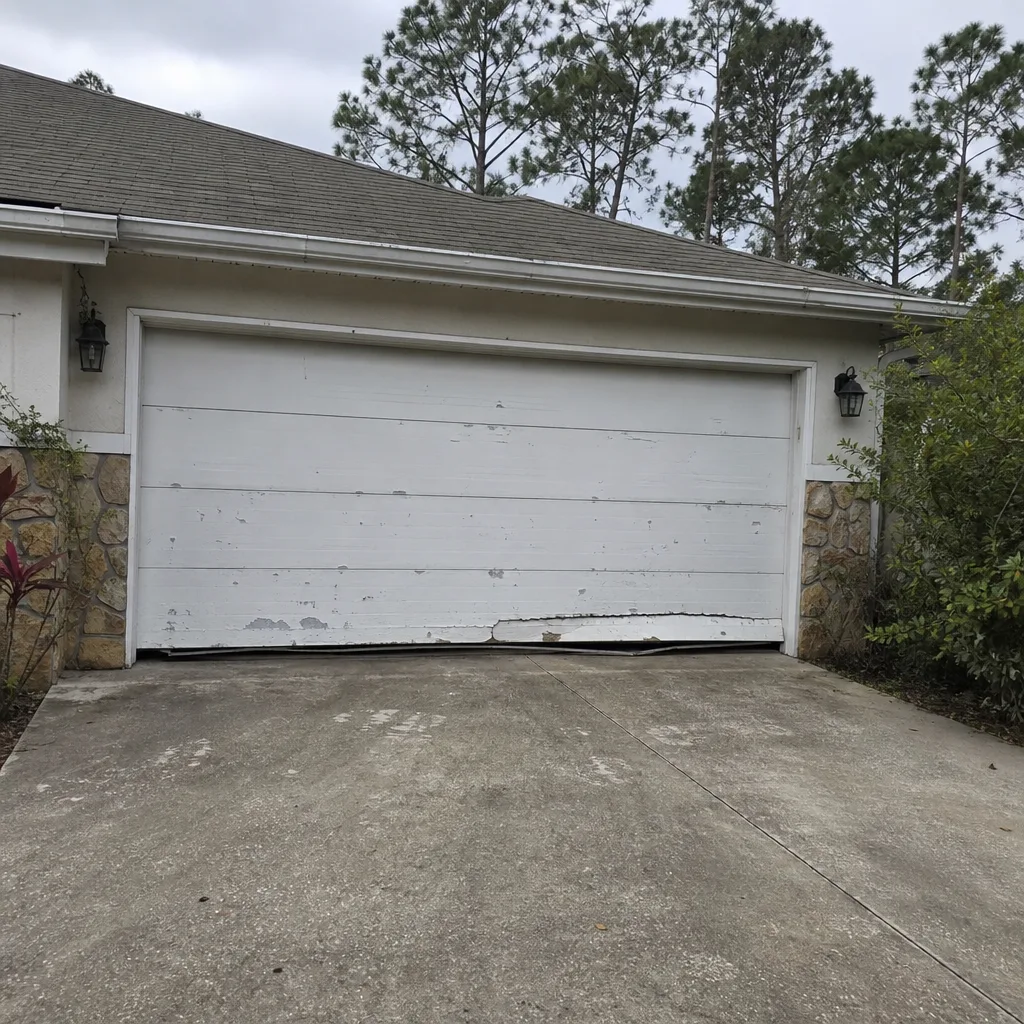 Before
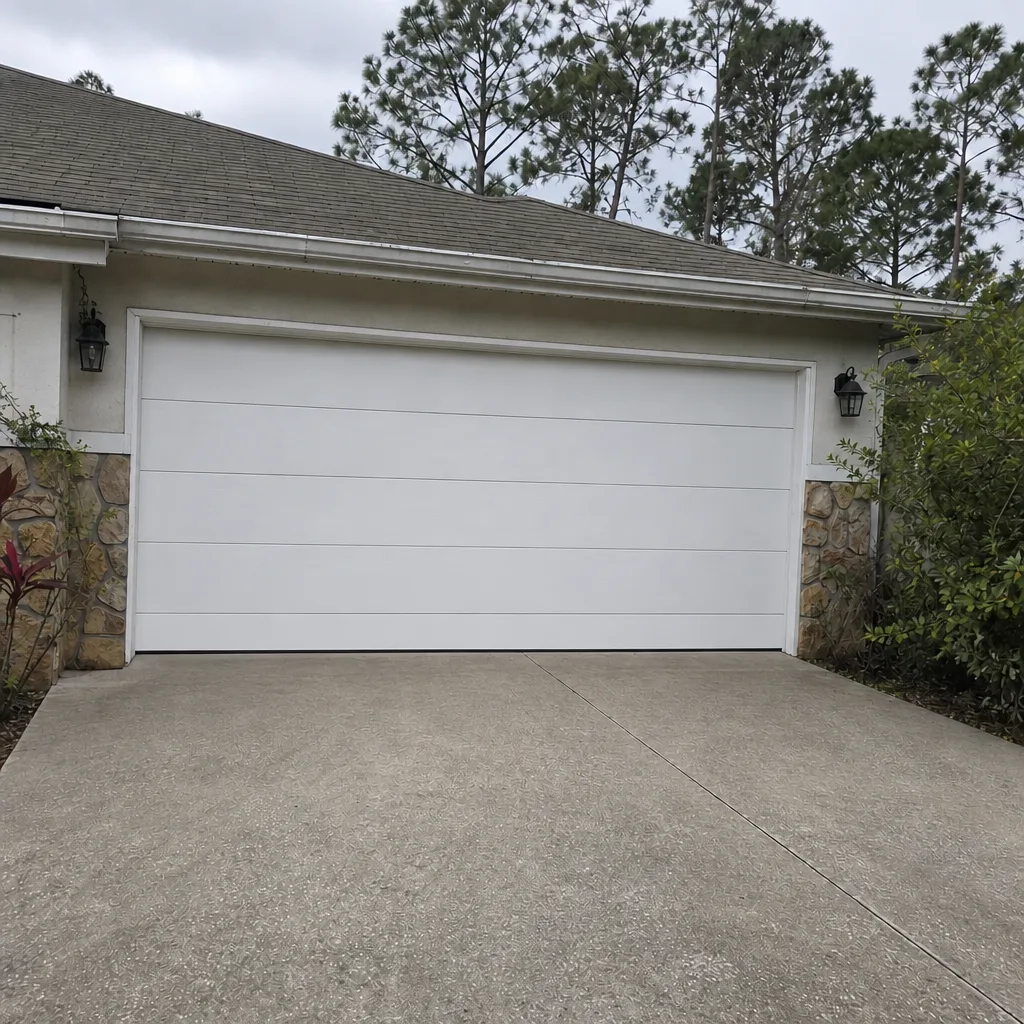 After
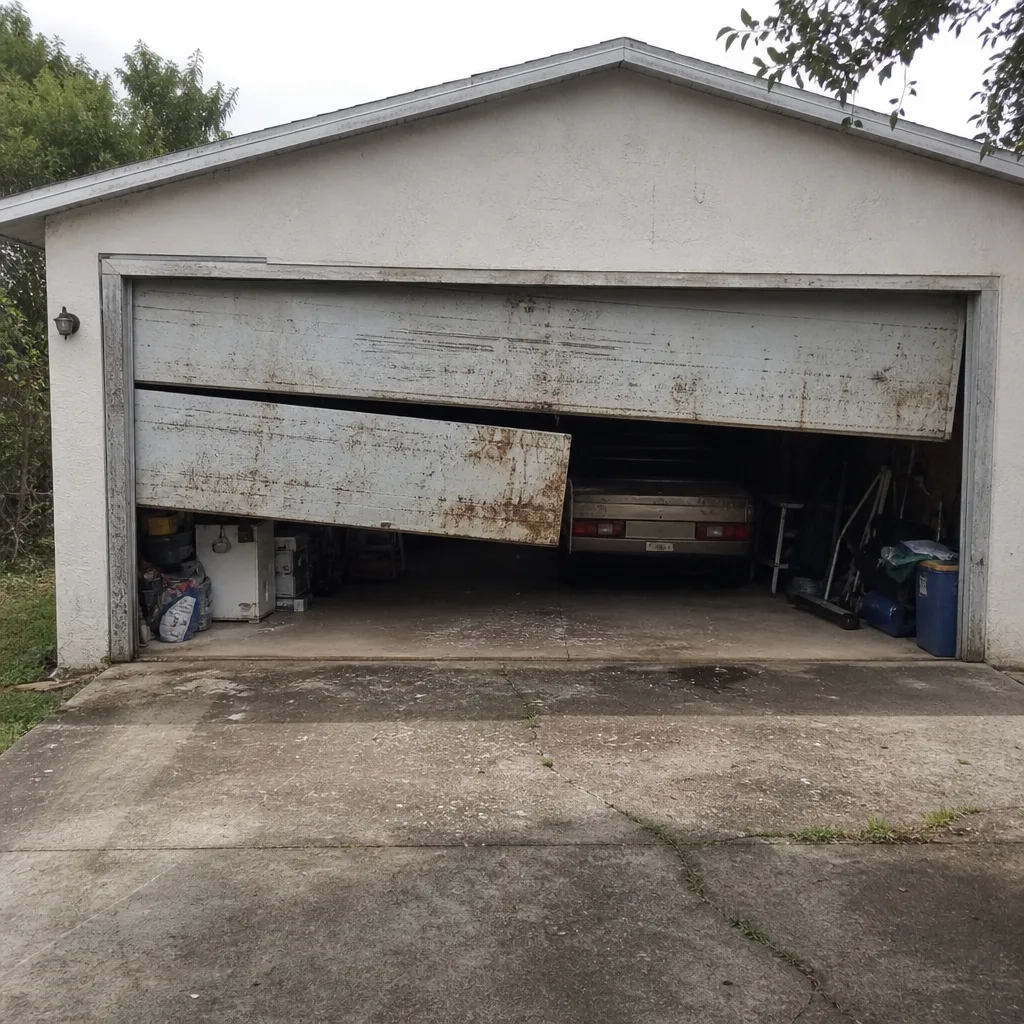 Before
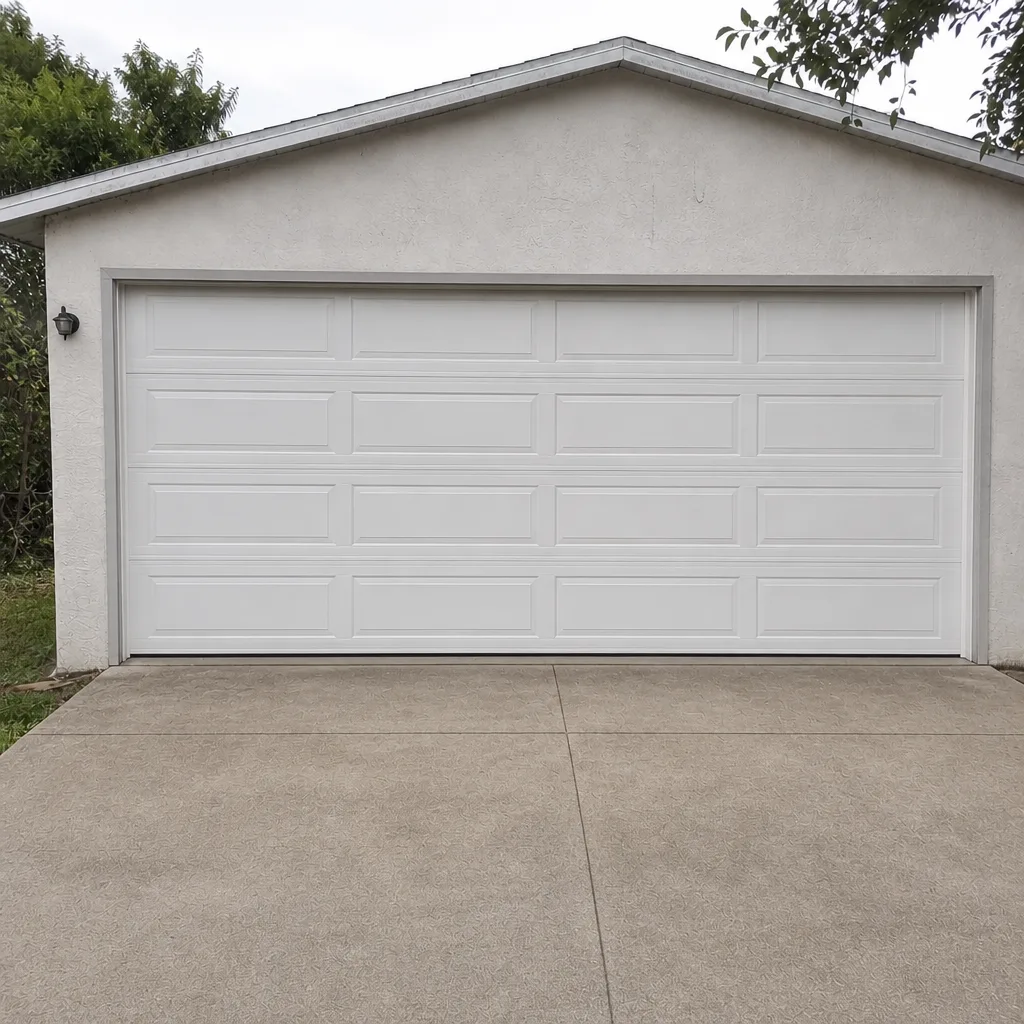 After
When to Call a Professional
Call a professional when the question is anything other than a routine repair. If you’re replacing a door and need to know whether the new model’s wind rating and bracing match your Arlington address, that’s a conversation best had with someone who installs rated doors and reads spec sheets for a living. The same goes for a door that was installed without a permit and needs to be brought into compliance, or an opener that’s anchoring into framing that doesn’t look right. Garage door springs are one of the more hazardous repairs in a home, and a torsion spring under tension can injure seriously if it’s handled without the right tools and protocol. We treat spring work as a dedicated service for that reason. Arlington Garage Door Repair Co offers free estimates in Arlington, and we’re glad to talk through the permit question before you buy a door rather than after.
Frequently Asked Questions
Often yes. In Arlington and across Duval County, a replacement that changes the door’s model, wind rating, size, or attachment usually requires a permit because the door must still meet the wind-load requirements for your address. A true like-for-like swap may take a simpler path, so confirm with the city building department before you order. Call (866) 937-7921 for a free estimate on the installation itself.
Check the Florida Building Code wind speed map against your exact address and confirm with the city building department. Much of Duval County falls inside a wind-borne debris region, but the map doesn’t follow neighborhood lines, so a nearby house’s rating tells you nothing about yours. Get a written yes or no for your parcel before you buy a door. Call (866) 937-7921 and we’ll walk through the documentation the permit needs.
It needs to match the design pressure the code requires for your specific address. That rating comes from the wind speed map and is written as a positive and negative pressure figure on the door’s spec sheet, along with a Florida product approval for your exact door size. Ask the supplier for both in writing before purchase. For help matching a rated door to your opening, call (866) 937-7921.
It checks the installed assembly against the permit and the manufacturer’s rated installation: framing attachment, fasteners, bracing and reinforcement, the door label and product approval, and how the opener is anchored. The door’s smooth operation isn’t the point; the anchoring behind it is. If your installation needs review, call (866) 937-7921 for a free estimate.
A buyer’s home inspector will likely flag it, and that flag becomes a negotiating item that can cost more than permitting the work originally would have. You may have to bring the installation into compliance, provide documentation, or offer a credit. Florida seller disclosure rules also require honest answers about permitted work and known code issues. Call (866) 937-7921 to talk through correcting an unpermitted door.
Generally no. Replacing or repairing an opener is routine maintenance and doesn’t typically trigger a permit, though the mounting and anchoring still need to be sound. If you’re not sure whether your project crosses into permitted work, ask the city building department. We work on LiftMaster, Chamberlain, Genie, and other major opener brands, and you can call (866) 937-7921 for a free estimate.
The Bottom Line
The permit question for an Arlington garage door comes down to whether the new door changes how the opening performs. A like-for-like swap may skip the full permit path. Anything that moves the wind rating, the size, or the attachment puts you in permit territory, because the door still has to meet the wind-load requirements for your address under the Florida Building Code. Confirm your wind zone with the city, get the product approval and design pressure in writing before you buy, install to the rated assembly, and keep the final inspection record. The paperwork is the point. It’s what protects your door, your home, and your sale price.
If you’re sorting out a replacement, a correction, or just a spring that’s seen better days, we handle repair, opener work, spring repair, parts, and installation from the same company. We work on the brand already in your garage, including Clopay, Amarr, Wayne Dalton, and Raynor, and we diagnose before we recommend. Our technicians have up to 13 years of experience, and every price is quoted and agreed before any work starts.
Ready to get it sorted? Call Arlington Garage Door Repair Co at (866) 937-7921 for a free estimate. We’ll help you get the permit question answered, the right door matched to your address, and the work done right the first time. Visit Arlington Garage Door Repair Co to see everything we handle.
Written by the team at Arlington Garage Door Repair Co.