Last updated November 21, 2026
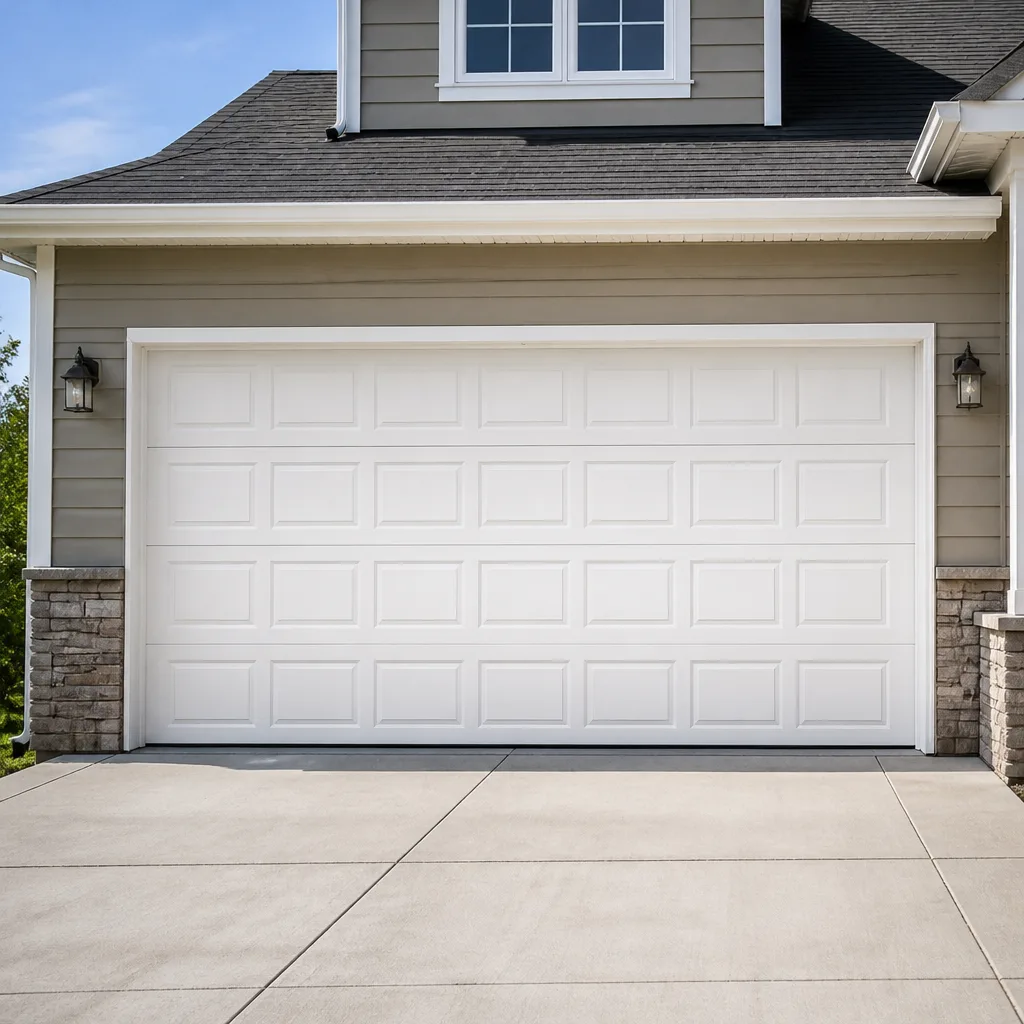 Raised-panel steel
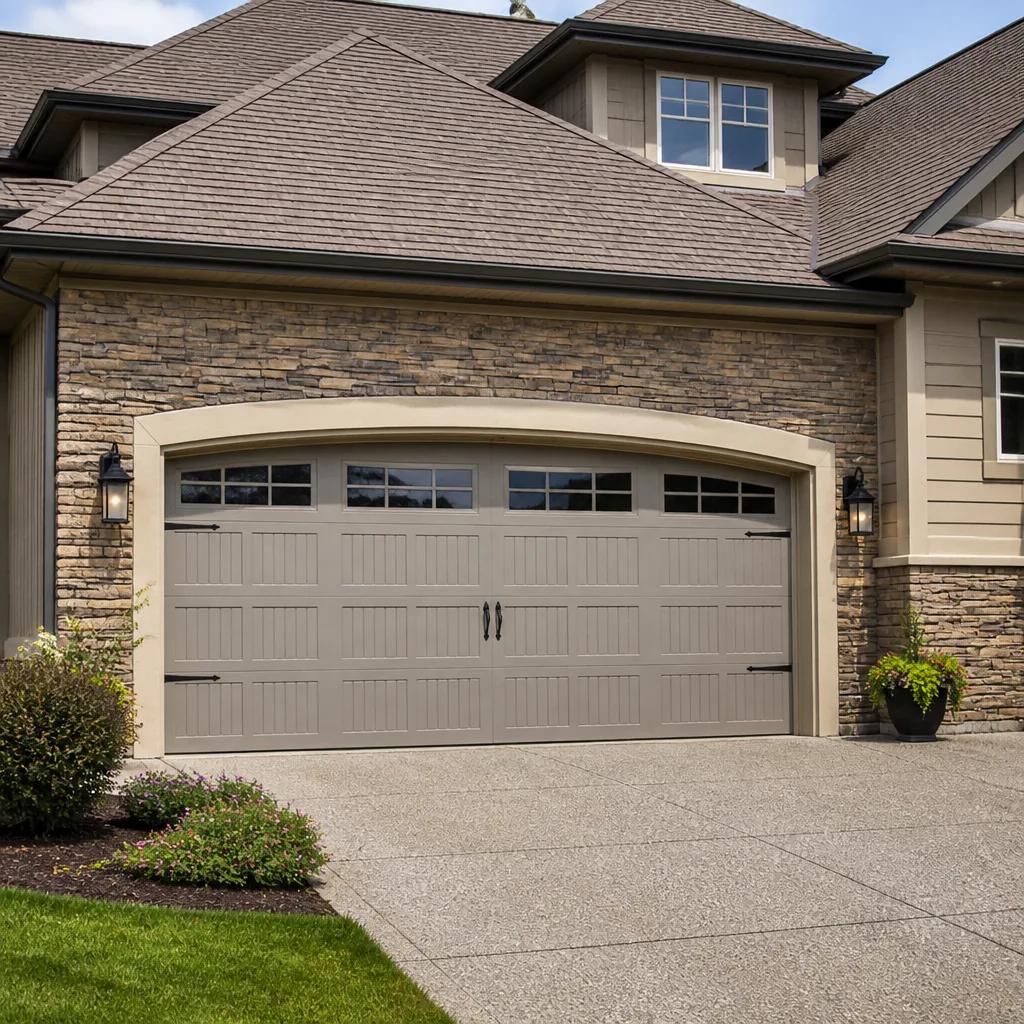
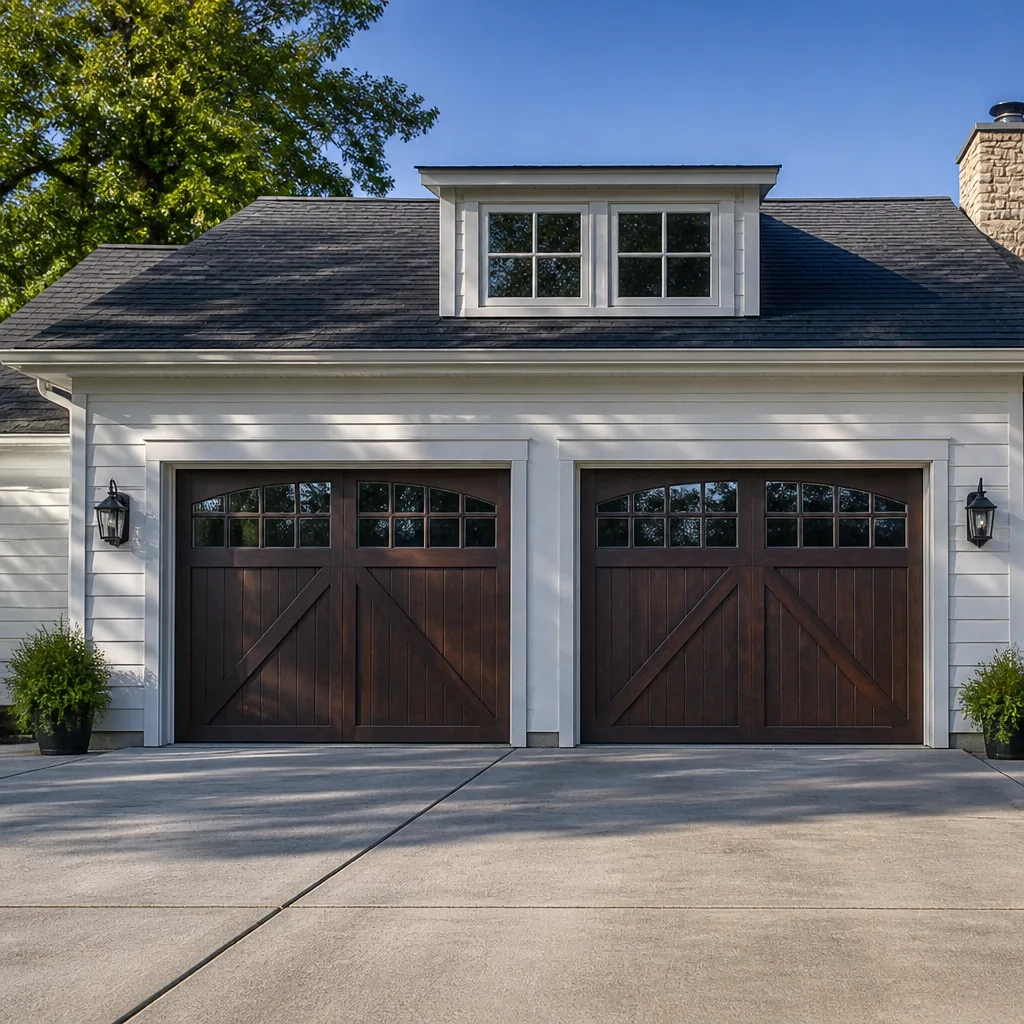 Carriage house
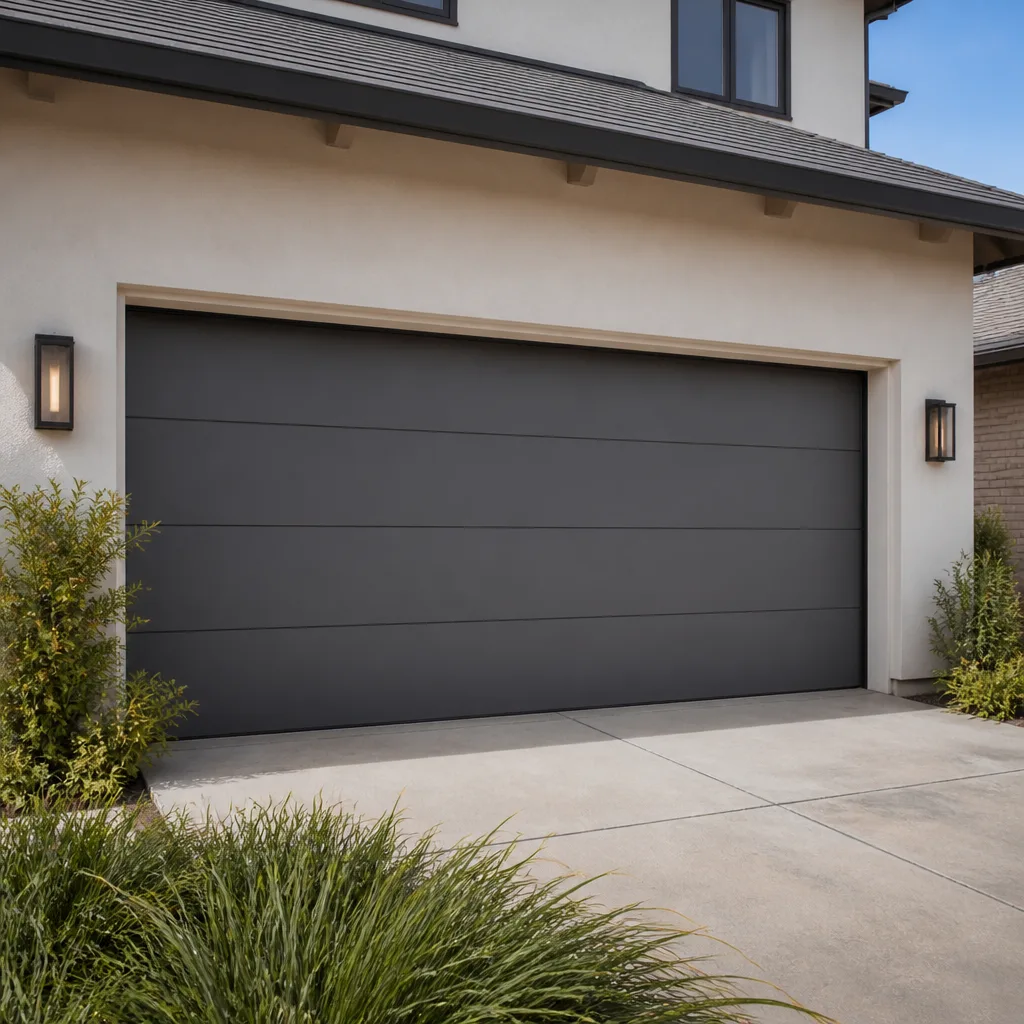 Modern flush
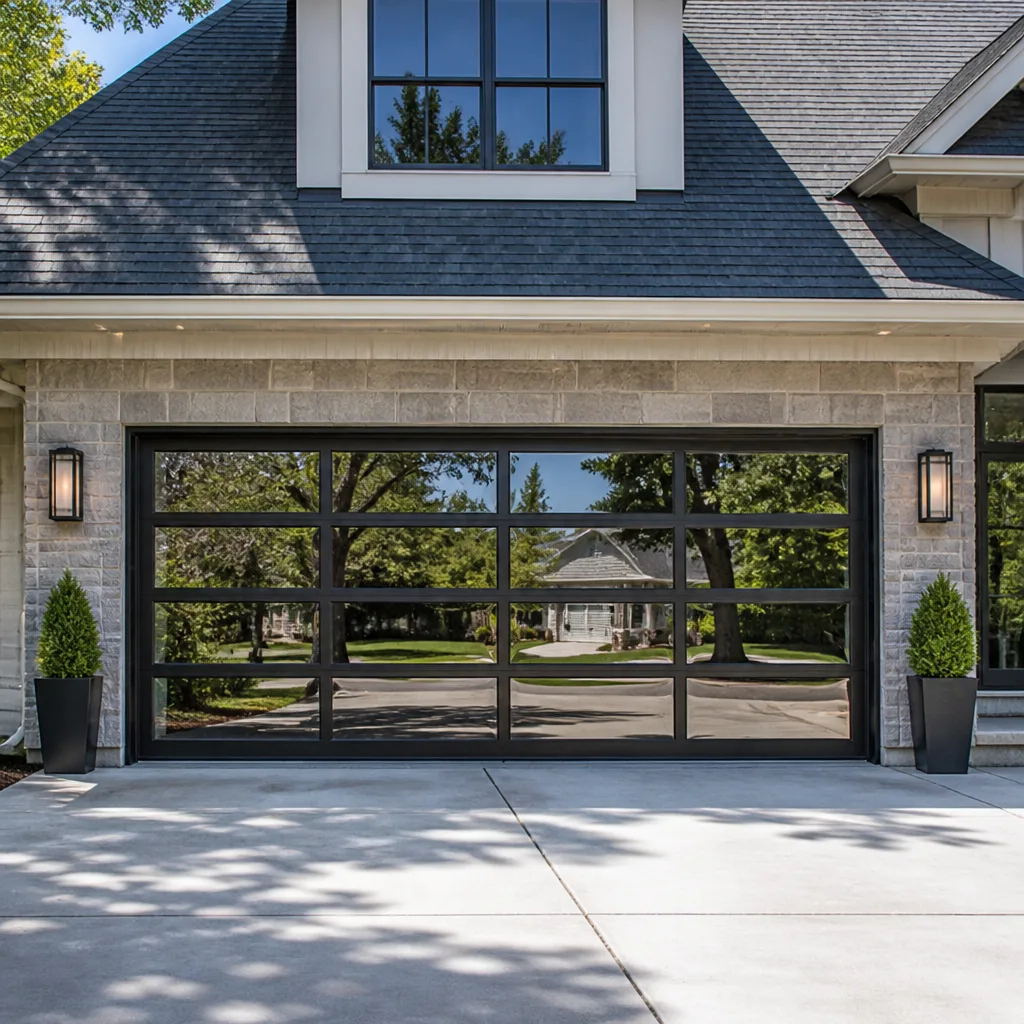 Full-view glass
 LiftMaster openers
 Chamberlain openers
Full 25-point door and opener safety check with every visit - springs, cables, rollers, tracks, and your LiftMaster or Chamberlain opener included
You get a price before we start. It does not change when the pro arrives.
Get your free estimateGarage Door Warning Signs: An Arlington Homeowner’s Reference Guide
A garage door that hesitates for two seconds before moving isn’t quirky. It’s usually a torsion spring that has lost tension, and your opener motor is quietly making up the difference on every cycle. That motor is wearing out in real time while the door still “works,” which is exactly why so many failures take homeowners by surprise. The truth is that most garage door breakdowns announce themselves first, and the skill is knowing which warnings are cosmetic and which are mechanical emergencies. This guide sorts the signs into urgency levels so you know whether to book a same-day visit or schedule something calmer, with Arlington conditions in mind throughout.
Quick Answer
Garage door warning signs fall into three urgency levels. Stop using the door immediately for a loud bang, a door stuck halfway, a snapped or visibly broken spring, or a frayed cable. Schedule repair within days for an uneven door, a door that reverses on its own, or a grinding opener. Schedule routine service within a couple of weeks for squealing rollers, a stiff door, or a bottom seal that no longer touches the floor. When in doubt in Arlington, a single diagnostic call settles it.
Styles & brands we work with
- Raised-panel steel
- Carriage house
- Modern flush
- Full-view glass
- LiftMaster openers
- Chamberlain openers
Table of Contents
- The Three Urgency Levels, Explained
- What Each Garage Door Noise Is Telling You
- Spring Warning Signs in Arlington’s Humidity
- Why an Uneven Door Is Never a Track Problem
- Opener Warning Signs by Brand
- Bottom Seal Gaps and Wood Frame Rot
- A Monthly Ten-Minute Check
- Common Mistakes to Avoid
The Three Urgency Levels, Explained
Every symptom you notice is a signal about how worn a component is, and the practical question is simply how fast you need to act. Sorting symptoms by urgency keeps you from panicking over a cosmetic issue and, more importantly, from ignoring something that could drop a door or burn out an opener. Here’s how we frame it for homeowners across Arlington.
Level 1: Stop Using the Door Now
- A loud bang from the garage, followed by a door that won’t lift. That’s almost always a snapped spring.
- The door is stuck partway open or partly closed and won’t move.
- You can see a gap in a torsion spring or a visibly stretched extension spring.
- A cable is frayed, kinked, or hanging loose on one side.
- The door is hanging crooked and looks like it could come off the track.
These are the situations where running the opener again can cause damage or injury. Leave the door where it is and call.
Level 2: Schedule Within Days
- The door moves, but one side sits lower than the other.
- The door goes up then reverses on its own.
- The opener strains audibly and the door moves slowly.
- A persistent grinding noise during travel.
Level 3: Book Routine Service in the Next Two Weeks
- Squealing or chirping rollers and hinges.
- A door that feels heavy when you disengage the opener and lift it by hand.
- A bottom seal that’s flattened and lets daylight through.
None of these leaves you stranded today, but each one gets worse with every cycle. The full breakdown fits under one company, whether you eventually need garage door repair for a single worn part or a broader tune-up.
What Each Garage Door Noise Is Telling You
Noise is the cheapest diagnostic you have, because each sound points to a specific component. The single most important distinction is between a bang and a grind: a loud bang usually means a snap, and a grind usually means wear. Getting that call right is the difference between a two-week schedule and an emergency.
The Loud Bang
A sharp, gunshot-like bang from inside the garage is the classic signature of a broken torsion spring. It’s the sound of high-tension steel letting go all at once. After that bang, the door becomes extremely heavy, and if the opener tries to lift it, the motor takes on a load it was never built for. Stop using the door. This is one of the most hazardous repairs in the trade, and it’s not a job to attempt with a ladder and a wrench. A trained technician is the right call every time.
The Grinding Noise
Grinding that builds over several days usually points to worn roller bearings, dry hinges, or a torsion tube that needs attention. It rarely means something just failed; it means something has been degrading. That’s a schedule-within-two-weeks situation rather than an emergency, and catching it early spares you a bigger bill later.
Squealing, Popping, and Rattling
- Squealing: often dry rollers or a lack of lubrication at the hinges.
- Popping: a torsion spring that’s slipping or a panel that has loosened its hinge.
- Rattling: loose hardware, often bolts that have vibrated free over years of use.
These sounds are annoying more than dangerous, but they’re your early notice. A single visit that lubricates, tightens, and inspects can silence them and add life to the whole system. If the diagnosis points to a specific hardware issue, that’s ordinary garage door repair territory, with the brand of door guiding the parts.
Spring Warning Signs in Arlington’s Humidity
Springs are the most loaded component on the door and the one with the clearest warning signs, if you know where to look. In Arlington’s humid climate, moisture works on spring steel quietly, and the visual signs of corrosion are worth reading carefully. The distinction that matters most is surface oxidation versus flaking corrosion.
Surface Oxidation vs. Flaking Corrosion
- Surface oxidation: a light, powdery orange-brown bloom on the spring steel. This is cosmetic and common in humidity. It doesn’t mean the spring is failing.
- Flaking corrosion: crusty, lifting layers where metal is actually coming away. That indicates the steel is weakening structurally, and the spring is closer to breaking than the cosmetic case.
If you see flaking rather than a surface bloom, treat the spring as due for replacement. Don’t wait for the bang. This kind of visual check is one of the most useful things an Arlington homeowner can do for a garage door, because the humidity does the slow work between service visits.
Other Spring Signs to Read
- Visible gap in a torsion spring. A torsion spring is one long coil around a shaft. A gap means it has snapped and the door is unsupported.
- Door feels heavier than it used to. As tension fades, the door gets harder to lift by hand when the opener is disengaged.
- Opener straining. If the motor sounds labored, the spring may be doing less of the lifting than it should.
- Uneven lift. A spring that’s lost tension on one side can make the door rise crooked. Note that a matched pair is usually replaced together, and each spring is quoted separately, so a pair costs about twice the price of one.
Spring work is a dedicated service at a focused company, not a general handyman one, because the high-tension components require training and the right tools to replace safely. Our technicians have up to 13 years of experience with torsion and extension springs, and the protocol around them is deliberate for good reason.
Why an Uneven Door Is Never a Track Problem
An uneven door, one side lower than the other, is a cable or spring issue, full stop. This is one of the most common misdiagnoses in the trade, and it’s worth understanding why, because a homeowner who treats it as a “track adjustment” will spend money on the wrong fix while the real problem gets worse.
What’s Actually Happening
The door is lifted by two cables, each wound on a drum, and the lift force comes from the torsion spring system. If one side rides lower, it means the lifting force is no longer balanced. That imbalance traces back to one of three things:
- A cable that has stretched, slipped, or come off its drum on one side.
- A spring that has lost tension, so one side is doing less lifting than the other.
- A cable that has jumped its drum entirely, which is genuinely dangerous.
The tracks are passive guides. They don’t generate lift. Pounding, prying, or bending them back is at best a temporary visual fix and at worst a way to pop the door off the track completely. In our work across Arlington, we’ve seen bent tracks where the homeowner’s real problem was a slack cable all along.
What to Do
- Stop cycling the door. A cable that’s jumping a drum can turn an uneven door into a dropped door.
- Look at both cables near the bottom corners. A cable that’s visibly slack, kinked, or off its drum confirms the diagnosis.
- Book a diagnostic visit. A technician can read the drum, the spring, and the cable together and tell you which component is failing rather than guessing.
Trained hands should always handle cable work, because a cable under tension is one of the more unpredictable components on the system. It’s not a place for improvised tools.
Opener Warning Signs by Brand
The opener is the electronics side of the system, and each major brand speaks its own language. Homeowners often assume a blinking light or a beep means the whole unit needs replacement, which is rarely true. Opener-specific repair is a specialty of its own, and reading your brand correctly can save the cost of a new unit.
LiftMaster and Chamberlain: Blinking Light Codes
If your LiftMaster or Chamberlain unit is flashing its overhead light, that’s the unit telling you it’s been interrupted. On these two brands, the light typically signals a safety-reversing issue: the door tried to close, hit resistance, and stopped. Common triggers are a misaligned safety sensor, a sensor with a dirty lens, or a doorway the door thinks has an obstacle in it. A flashing light on a LiftMaster or Chamberlain is usually a sensor calibration issue, not a dead motor. If your opener is a LiftMaster or a Chamberlain, the safety-reversing feature is one of the most important diagnostics to check.
Genie: Beep Sequences
Genie units often communicate with a pattern of beeps and a light that reacts differently. A short series of beeps while the door is trying to close usually points to a safety-sensor interruption, the same underlying issue as the LiftMaster case but with a different signal. A unit that stops and reverses is doing its job; the fix is getting the sensor path clear and aligned rather than replacing the motor.
Craftsman and Raynor
Craftsman openers, common on older doors, often show their wear as a motor that struggles to lift, which can point to a tired capacitor or a door that’s no longer balanced. Raynor units have their own travel and force limits that are worth checking before any parts are ordered. The point across all of them: a specific brand has a specific set of symptoms and fixes. That’s why we work on what’s actually in your garage rather than treating every opener the same.
General Opener Signs
- The wall switch works but the remote doesn’t, or the reverse: usually a remote pairing issue, not a dead unit.
- The door reverses as soon as it touches the floor: usually a force-limit setting or a safety-sensor issue.
- The opener runs but the door doesn’t move: often a stripped gear or a disconnected drive, which is repair territory.
- Erratic operation from a remote only: often an aging remote or interference, which a replacement remote resolves.
When the opener is telling you something, garage door opener repair should focus on the actual failing part. Replacing the whole unit because of a sensor alignment is a common overspend.
Bottom Seal Gaps and Wood Frame Rot
The bottom seal is the quiet warning sign that most homeowners ignore. It’s a rubber or vinyl strip on the bottom of the door that presses against the floor to seal the opening. In Arlington’s humidity, the seal matters far more than it does in a dry climate, because a poor seal lets moisture past the door and onto the wood frame.
The Three-Eighths Rule
The practical check is compression: close the door and look at the bottom. You want the seal to visibly flatten against the floor across the full width. A gap larger than 3/8 inch lets enough moisture-driven air pass to keep the wood frame damp, and in Arlington’s humidity, that constant dampness can rot a wood door frame within two seasons. The 3/8-inch threshold is the line we use to decide whether a seal is doing its job.
How to Check the Seal
- Close the door fully and look for daylight under the bottom edge across the whole width.
- If you see a continuous sliver of light, the seal has flattened or the floor has shifted.
- Look at the wood frame on the inside around the door. Soft, crumbling, or discolored wood is a sign moisture is getting through.
- Check the seal material for cracks, brittleness, or sections that have pulled away from the retainer.
A seal that’s flattened but intact can often be re-seated. A seal that’s cracked, torn, or visibly brittle should be replaced. And if you’re seeing a gap larger than 3/8 inch, it’s worth addressing soon rather than at the next seasonal change.
A Monthly Ten-Minute Check
Most of the warning signs in this guide are visible in under ten minutes a month if you know what to look for. A short, consistent check catches problems while they’re still small. Here’s the routine we recommend to Arlington homeowners.
- Look at the springs. Look for gaps in the torsion spring, stretched extension springs, and flaking corrosion versus a surface bloom.
- Look at both cables. They should run straight and hang with equal tension on both sides.
- Close the door and check the seal. Look for daylight under the bottom edge and note gaps larger than 3/8 inch.
- Cycle the door once. Listen for grinding, squealing, or straining, and watch whether both sides rise evenly.
- Disengage the opener and lift the door by hand. It should move smoothly. A door that feels heavy or sticky is a sign of spring or balance trouble.
- Check the safety sensors. A clear path between the two lenses is what keeps the reversing feature working.
- Look at the hardware. Loose bolts, cracked hinges, and worn rollers are early warning signs that a tune-up can address.
If any step turns up a Level 1 sign, stop there. Otherwise, this monthly check gives you a running sense of your door’s health and makes the conversation with a technician far more useful, because you can tell them what you noticed and when.
Common Mistakes to Avoid
- Treating a snapped spring as a DIY job. Torsion and extension springs are under high tension and can cause serious injury if released carelessly. A trained professional is the only safe route.
- Bending tracks to fix an uneven door. An uneven door is a cable or spring problem, and forcing the track can make it worse. Diagnose the cause, don’t chase the symptom.
- Ignoring a slow grind until it becomes a bang. Worn roller bearings don’t fix themselves. Booking within two weeks is far cheaper than waiting for a full failure.
- Replacing an opener when the issue is a sensor or remote. In Arlington, we diagnose the specific brand before recommending any replacement. A blinking light on a LiftMaster or a beep pattern on a Genie is usually a sensor conversation.
- Letting a bottom seal gap go unaddressed in humidity. Gaps larger than 3/8 inch let moisture reach the wood frame, and that’s how a frame rots over a couple of seasons.
- Guessing at spring prices instead of asking. A matched pair is quoted as two springs, so a pair costs about double a single-spring quote. Know what you’re being quoted.
- Treating a heavy, hard-to-lift door as “just the way it is.” That weight is a sign the spring system is failing, and the opener is quietly absorbing the load.
See the difference
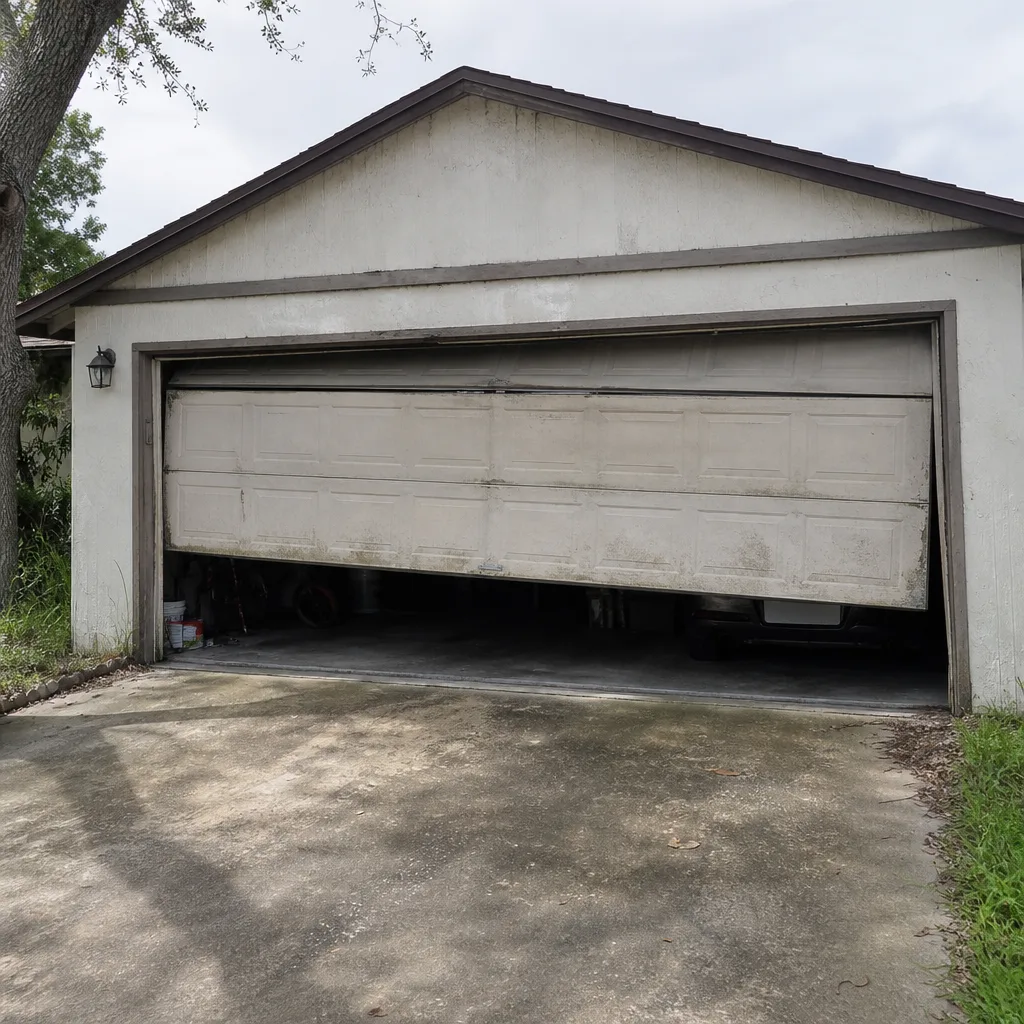 Before
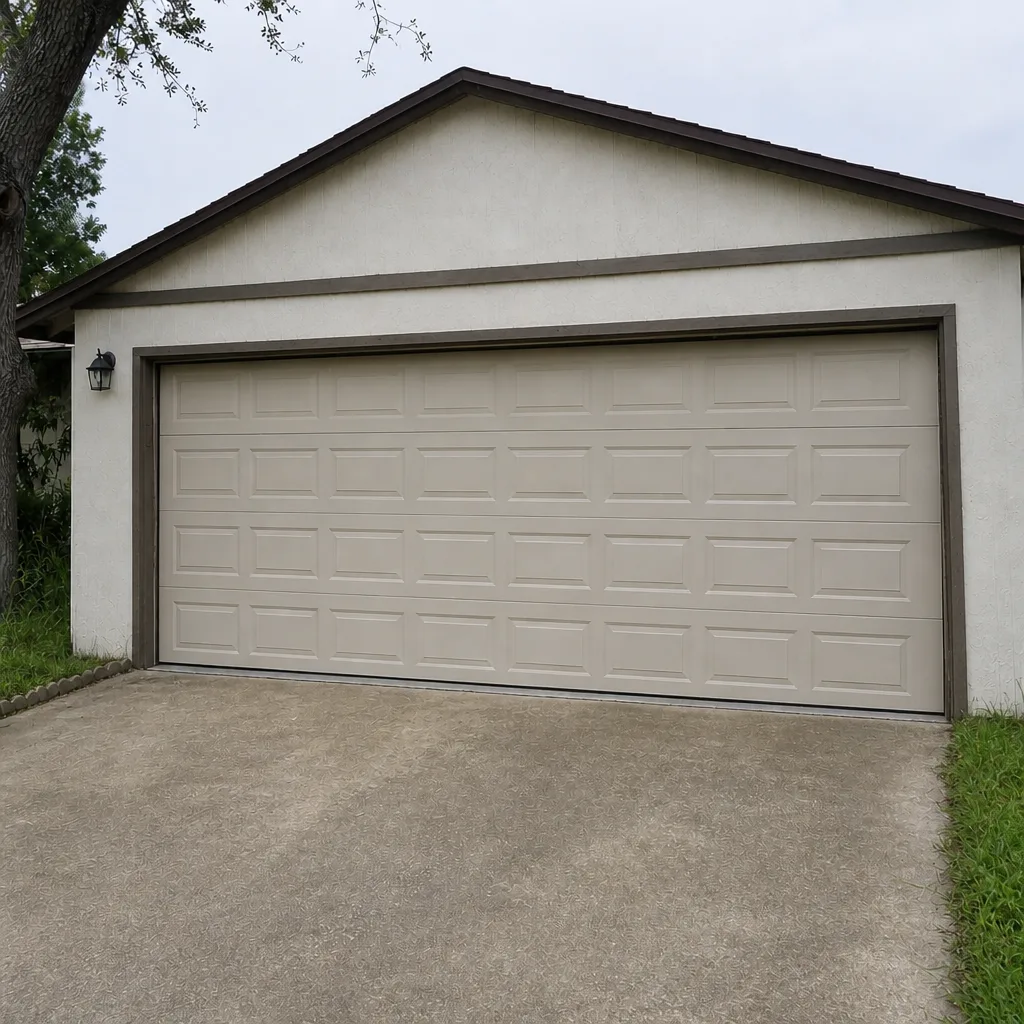 After
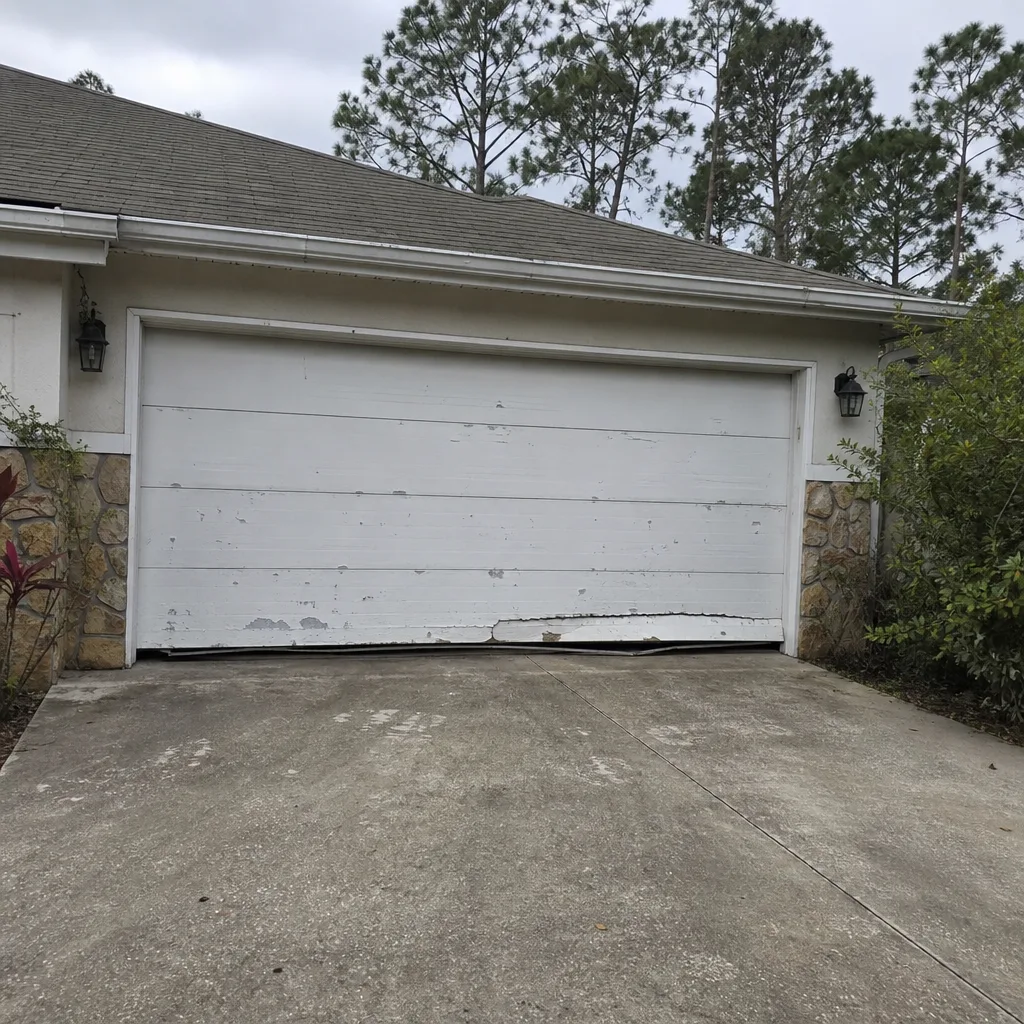 Before
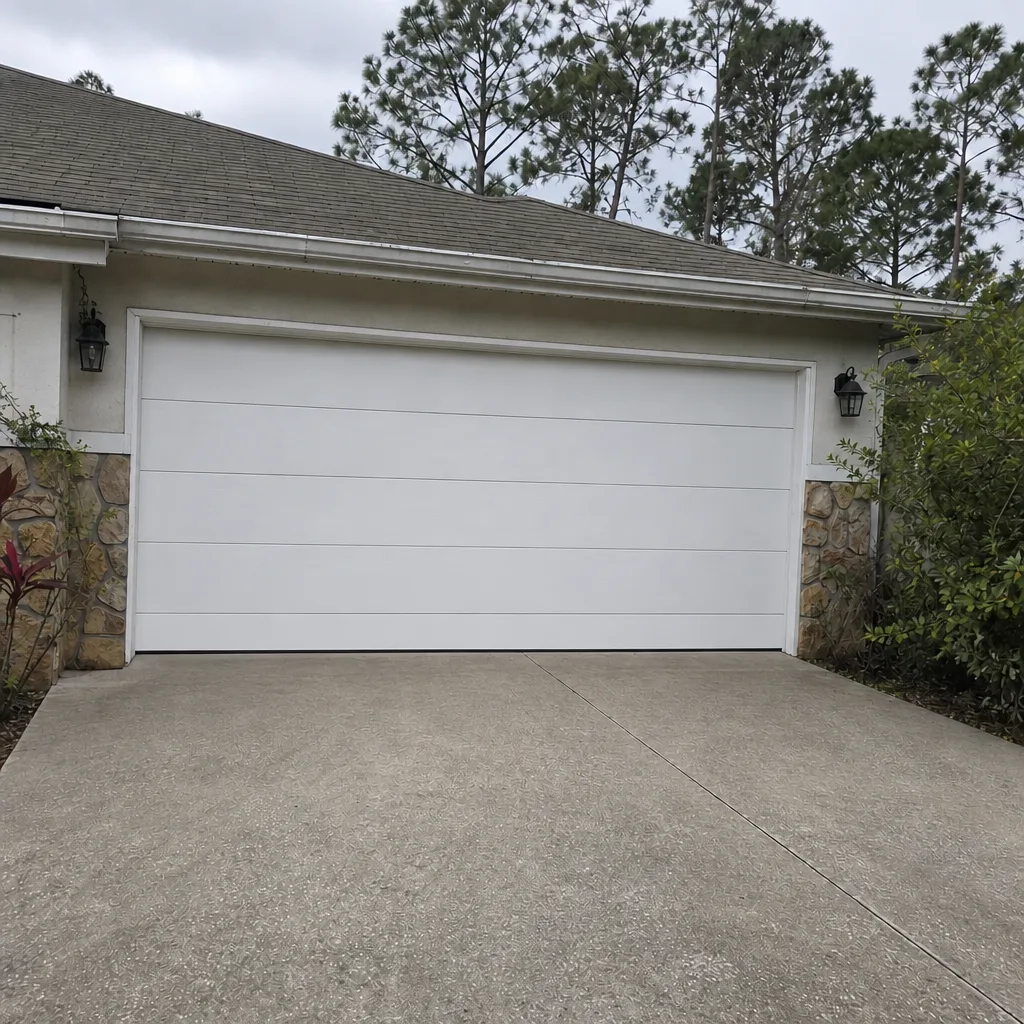 After
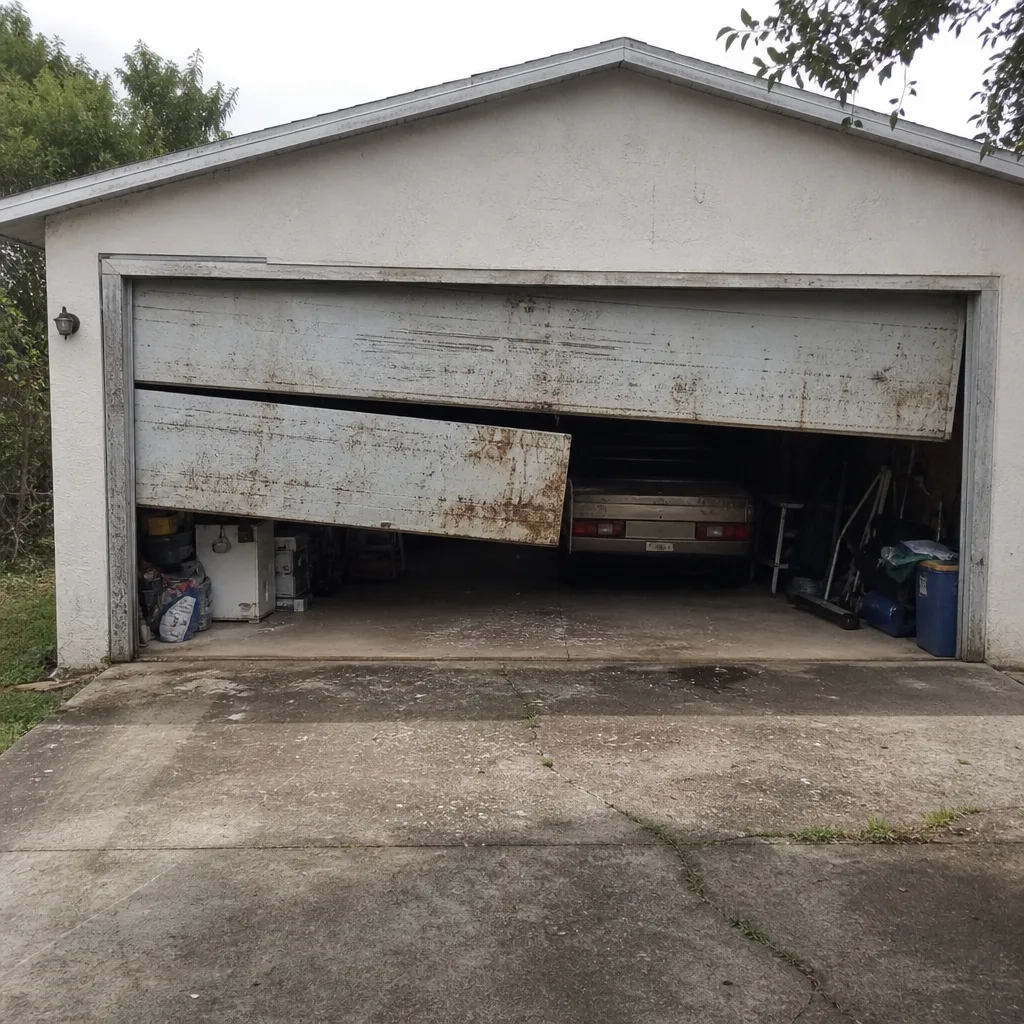 Before
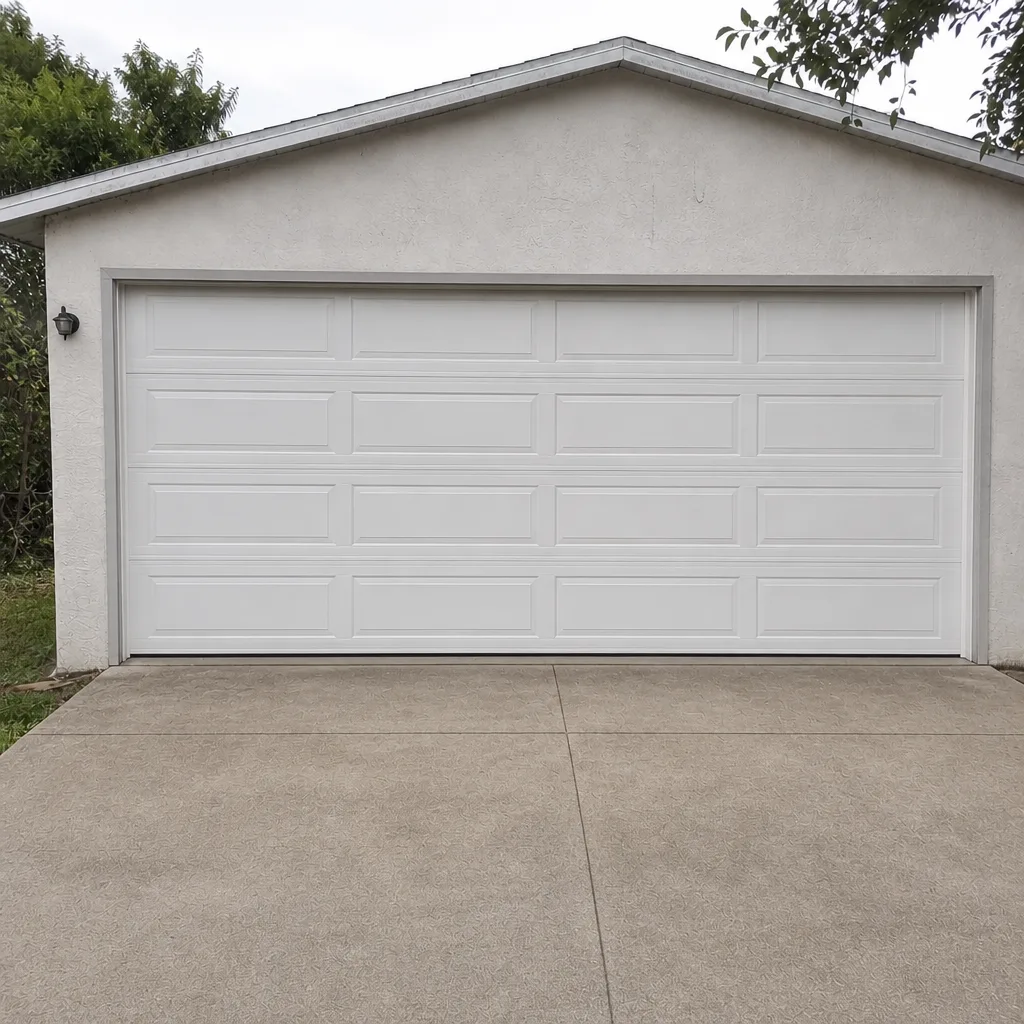 After
When to Call a Professional
Call a professional for anything in the Level 1 list: a bang, a stuck door, a broken or flaking spring, a frayed cable, or a door that’s hanging crooked. Call within days for an uneven door, a door that reverses on its own, or a grinding opener. Spring work, cable work, and any electrical issue at the opener should always go to a trained technician rather than a general handyman, because those components carry the highest risk on the whole system. Beyond safety, a garage door is a mechanical system, and the right specialist reads the brand and the symptom together instead of guessing. Arlington Garage Door Repair Co offers free estimates in Arlington, with pricing agreed before any work starts. Call (866) 937-7921 for a free estimate.
Frequently Asked Questions
A loud bang followed by a door that won’t lift, a snapped or flaking spring, a frayed cable, or a door hanging crooked are the most serious signs, and you should stop using the door. Call for a diagnostic visit right away. Call (866) 937-7921 for an exact quote, and estimates are free.
Spring prices vary by door and spring type, and a matched pair is quoted as two springs, so a pair costs about twice a single spring. Your written estimate sets the final price, quoted and agreed before any work starts. Call (866) 937-7921 for an exact quote, since estimates are free.
A broken spring is a safety-critical failure, and same-day service is often available for urgent calls like this. Call (866) 937-7921 and we’ll confirm the earliest available visit, with pricing agreed upfront.
The written quote is the price. We diagnose the door, including brand, spring condition, and any related components, and the estimate you agree to before work starts is what you pay. If anything changes, your technician talks to you about it first.
Light, powdery surface oxidation is cosmetic and common in humidity. Flaking, crusty corrosion where metal lifts away means structural weakening, and that spring is due for replacement. In doubt, have a technician check it during a routine visit.
The local professional we connect you with is licensed and insured as their state requires. Ask for the credential details at the time of booking, and your written estimate covers the work before anything starts.
The Bottom Line
Most garage door failures are preceded by warnings. A bang means stop; a grind means schedule within two weeks; a seal gap of more than 3/8 inch means moisture is getting in. In Arlington’s humidity, the warnings that hide longest are the rust on the springs and the gaps under the bottom seal, because neither makes noise. Read the signs early, act on the right urgency level, and your door stays reliable and safe. When you’re unsure how urgent a symptom is, a free estimate from a specialist settles it fast. Call (866) 937-7921 to book a free estimate.
Written by the team at Arlington Garage Door Repair Co.