Last updated November 21, 2026
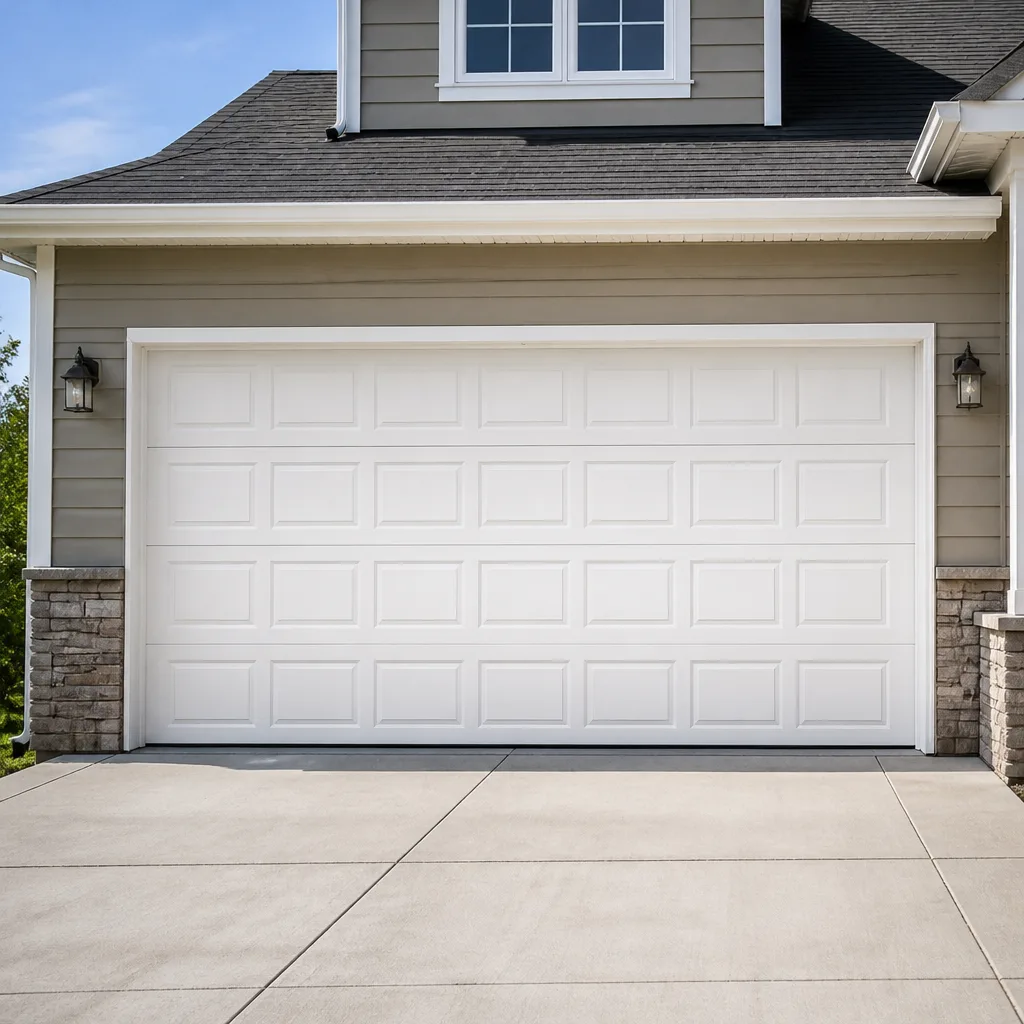 Raised-panel steel
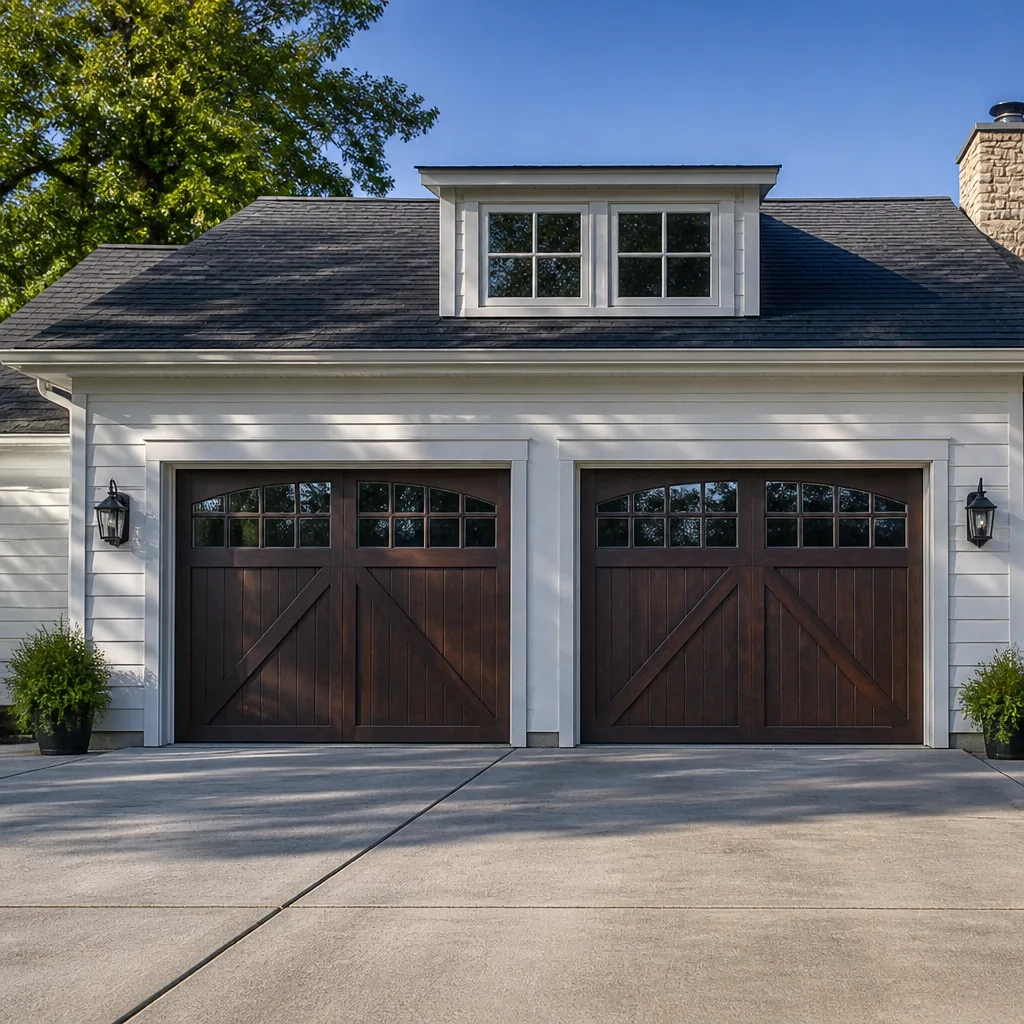 Carriage house
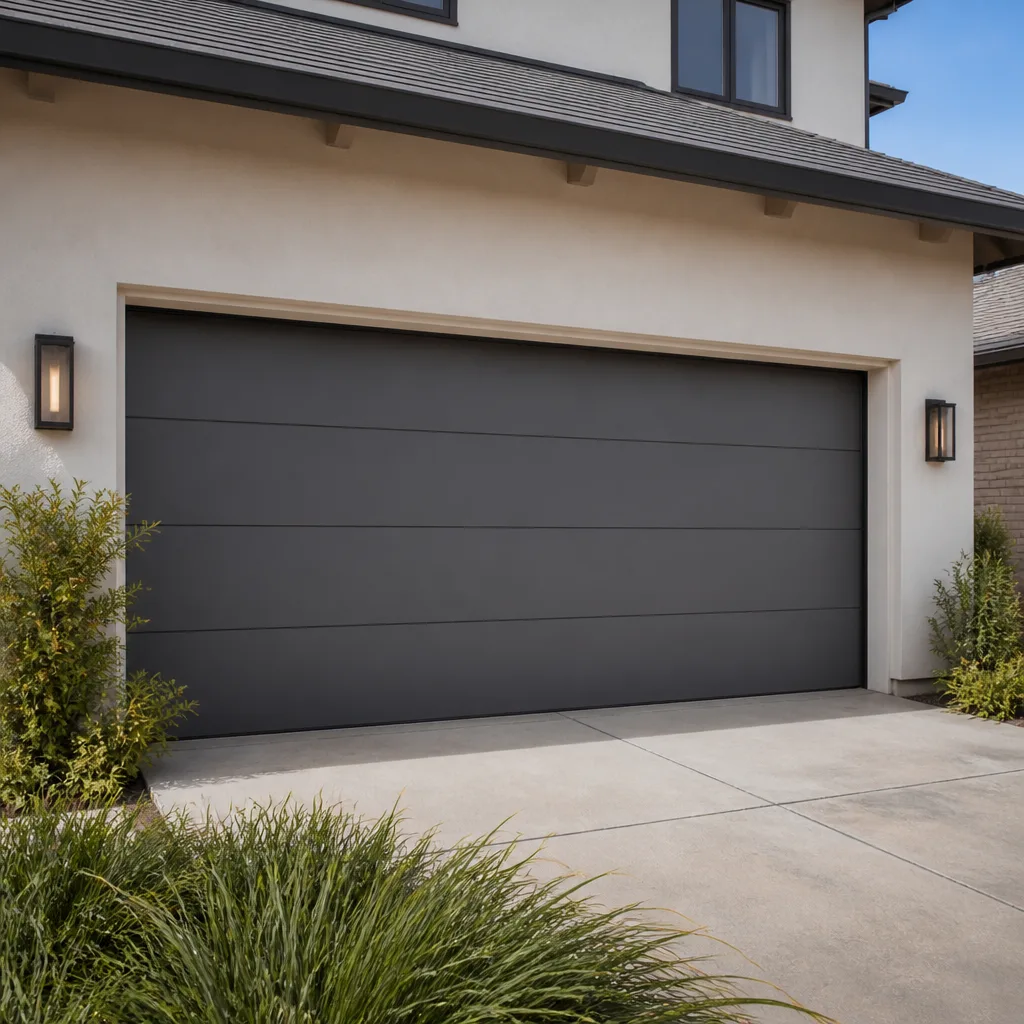 Modern flush
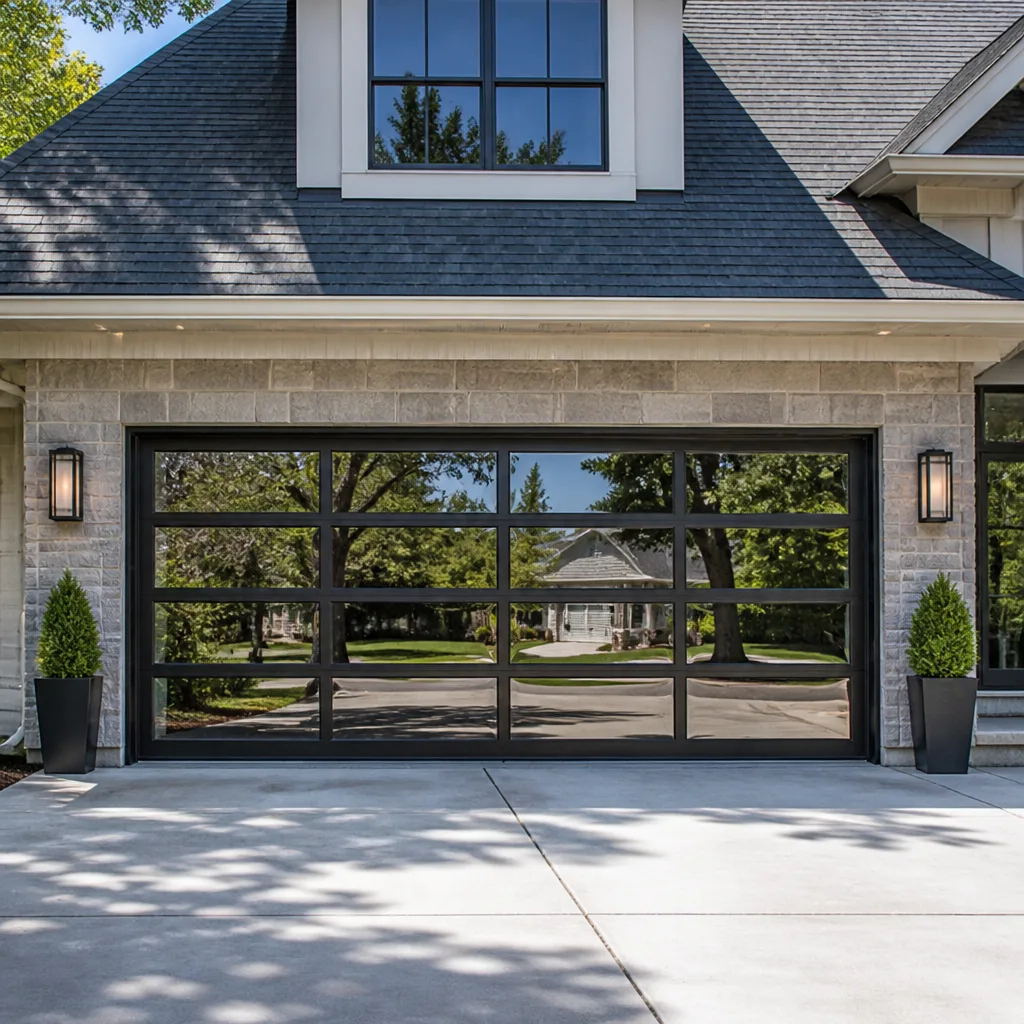 Full-view glass
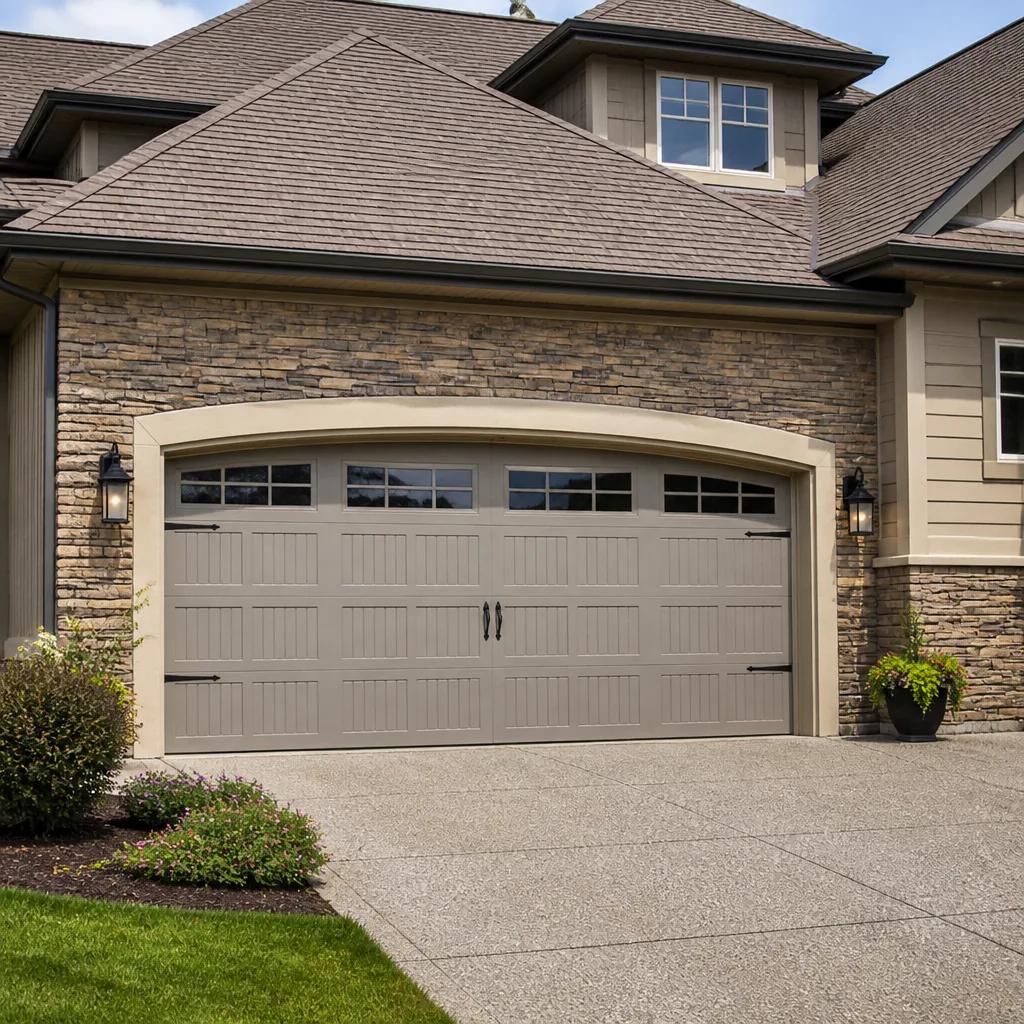 LiftMaster openers
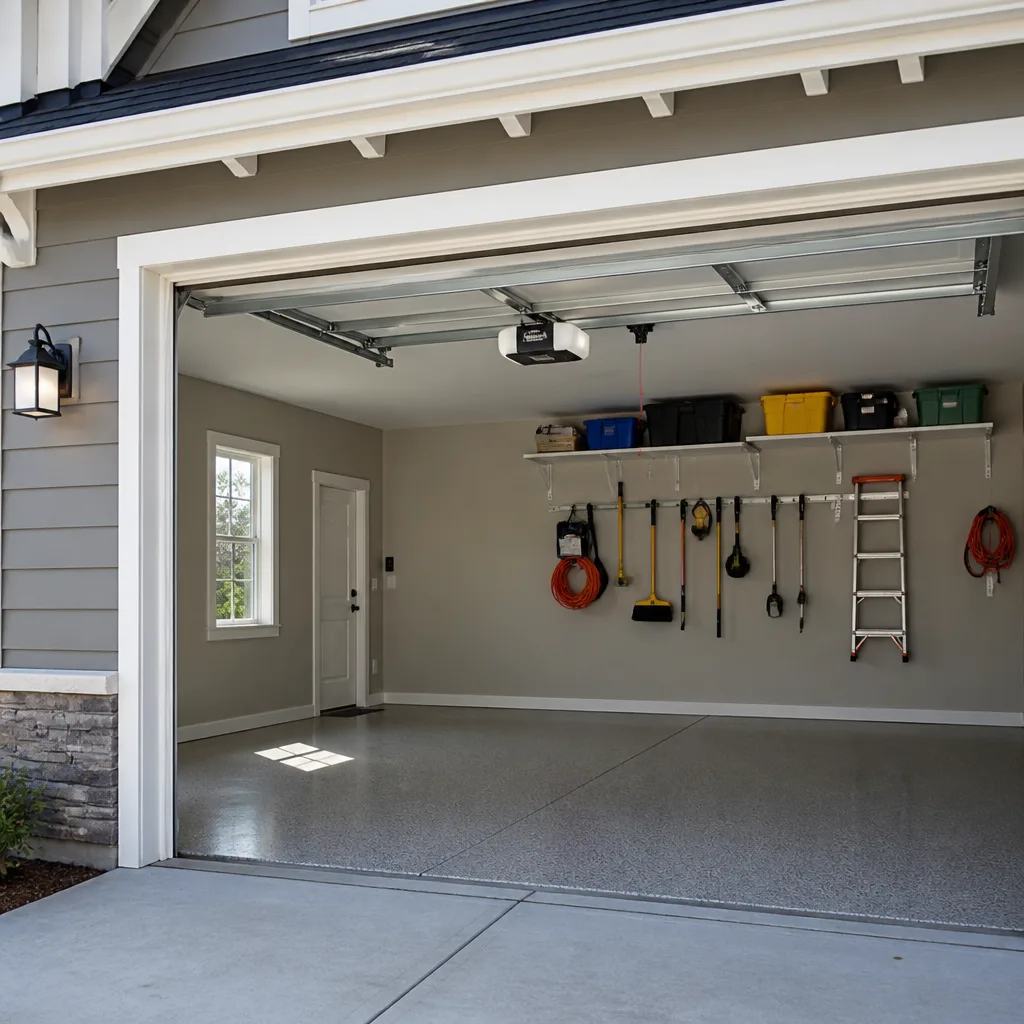 Chamberlain openers
Full 25-point door and opener safety check with every visit - springs, cables, rollers, tracks, and your LiftMaster or Chamberlain opener included
You get a price before we start. It does not change when the pro arrives.
Get your free estimateGarage Door Repair Maintenance Checklist for Arlington Homeowners
Most garage door failures we get called for in Arlington don’t start with a bang. They start with a small brown patch on a torsion spring, a seal that’s gone hard and cracked at the edges, or a hinge that’s been quietly grinding for months. The homeowner notices something’s a little off but figures it can wait. Then one morning the door won’t come up at all, and a repair that would have taken twenty minutes turns into a same-day emergency. This guide is a real maintenance checklist, sequenced by urgency, written for the specific conditions we deal with in Arlington. You’ll learn what to check, what each warning sign actually means, which tasks you can handle yourself, and which ones require a trained technician.
Quick Answer
A complete garage door maintenance checklist for Arlington covers four areas: the springs and cables (rust and tension), the rollers, hinges, and tracks (lubrication and alignment), the bottom seal and weatherstripping (compression and UV damage), and the opener’s safety systems (reversal and force settings). Most of these can be checked in about twenty minutes. Spring inspection, torque measurements, and any adjustment to the high-tension system should be handled by a technician. Given Arlington’s humidity, coastal humidity, and heat, we recommend a full professional inspection once a year and a homeowner check every few months.
Styles & brands we work with
- Raised-panel steel
- Carriage house
- Modern flush
- Full-view glass
- LiftMaster openers
- Chamberlain openers
Table of Contents
- Springs and Cables: The Corrosion Check That Matters Most
- Lubrication: Why Lithium Grease Beats WD-40 in Arlington Humidity
- Bottom Seals and Weatherstripping: The UV Problem
- Opener and Safety Reversal Test: Pass or Fail
- Tracks, Rollers, and Hinges: Alignment and Wear
- Annual vs. Every-Few-Months: What You Do vs. What a Technician Does
- Storm Prep for Arlington Doors
- Common Mistakes to Avoid
Springs and Cables: The Corrosion Check That Matters Most
If you only do one thing on this checklist, look at your springs. In Arlington, the combination of warm air, high humidity, and the moist air that hangs around most of the year is brutal on steel. Torsion springs, mounted on the header above the door, and extension springs, running along the sides of the track, both rust from the inside out. A spring can hold its shape right up until the moment it snaps. We’ve seen springs that looked structurally fine from three feet away but had visible pitting and surface rust at the coils.
Here’s what to look for, and what each sign means for the timeline:
- Light surface rust, no pitting: The spring is beginning its decline. Have a technician inspect it at the next scheduled visit. Not urgent, but worth watching.
- Visible rust with small pits or flaking: Plan for replacement within 90 days. The metal is losing its cross-section and the spring is more likely to fail.
- Heavy rust, gaps in the coil, or visible stretching: Replace immediately. Do not wait for the failure. A snapped spring under load is a serious safety event, and in most cases it takes the door out of service entirely.
- Cables with fraying, kinks, or rusted ends: These are part of the same high-tension system and need the same professional inspection.
A note that applies to every spring check: do not touch a torsion spring yourself. These are wound to hundreds of pounds of tension. If a spring lets go while you’re near it, or if a winding bar slips during adjustment, the injury can be severe. That’s why we treat Arlington Garage Door Repair Co spring work as its own specialty rather than an add-on. The technicians carry the tools to measure and adjust tension safely, and they’ll tell you plainly whether a spring is fine, near the end of its life, or needs to come off today.
Lubrication: Why Lithium Grease Beats WD-40 in Arlington Humidity
Lubrication is the task most homeowners get wrong, and it’s almost always because of one product. WD-40, or any thin spray lubricant like it, is a solvent with a bit of oil. It works fine for freeing a stuck bolt. On the moving parts of a garage door, it cleans off the original grease, leaves a film that evaporates, and does little to protect against moisture. In a humid city like Arlington, that’s the opposite of what you want.
What works better is a lithium grease, or a lithium-based white grease, on hinges, rollers, and the torsion spring coils. Lithium grease is thicker, stays put on the metal, and forms a barrier that water vapor has a harder time getting through. That’s specifically relevant here. The air in Arlington holds moisture most of the year, and unprotected steel is going to rust faster than the same steel in a dry climate.
Here’s what to lubricate and what to leave alone:
- Lubricate: Hinge pivot points, roller shafts and bearings, the torsion spring coils (a light coat, not a heavy one), the opener’s rail if it’s a chain or belt drive.
- Do not lubricate: The tracks. This surprises people. Tracks need to stay clean and dry. Grease in the tracks collects dust and grit and makes the door roll harder. Wipe the tracks down with a dry cloth instead.
- Do not lubricate: Nylon or plastic rollers. They’re designed to run without grease and greasing them can attract dirt.
- Use sparingly. A little lithium grease goes a long way. Over-greasing just attracts dust.
If your door has been squealing or grinding, the problem may be the rollers rather than the lubrication. That’s a quick diagnosis for a technician and usually an inexpensive fix.
Bottom Seals and Weatherstripping: The UV Problem
The rubber seal at the bottom of your door is the first thing to fail from sun exposure, and it fails faster in Arlington than in most of the country. The sun beats down on the southeast- and south-facing side of a home for most of the day, and the bottom seal is directly in that path. Rubber that stays flexible in a cool climate gets brittle here. It cracks, curls at the edges, tears away from the aluminum holder, and stops doing its job.
Why does that matter beyond a draft? A worn bottom seal lets water in when it rains, which is the last thing you want on the floor of an Arlington garage. It lets in insects and pests. And it throws off the seal compression that some opener systems rely on to sense the door has closed.
Here’s how to test your bottom seal:
- Close the door fully and look along the bottom edge. There should be continuous contact with the floor, with no visible gaps between the seal and the slab.
- Look for cracks, splits, or hard spots along the length of the rubber. A seal that’s gone rigid has stopped sealing.
- Slide a piece of paper under the door at several points. If it pulls out easily at some points and not others, the seal isn’t making uniform contact.
- Check the side and top weatherstripping too. The same UV damage affects the rubber on the jambs.
Replacing a bottom seal is a straightforward job, but the fit matters. A seal that’s slightly too thin or slightly too thick will either drag or leak. We stock common seal profiles so a worn seal can usually be swapped without a second visit.
Opener and Safety Reversal Test: Pass or Fail
Your garage door is the largest moving object in your home, and its safety reversal system is the primary safeguard against the door closing on a person, a pet, or an object. Federal standards require it on all openers made since 1993, but the system has to actually work, and it has to be tested on a schedule. “Make sure it reverses” is the advice you’ll see online. Here’s the actual pass/fail version:
- Photo-eye test. With the door open, wave a hand or an object in front of the small sensor at one side of the door near the floor. The door should not close, or if it’s already closing, it should reverse and go back up. If the door keeps closing, fail. Stop using the automatic close until it’s repaired.
- Force test. Place a small object like a roll of paper towels or a piece of rigid foam at the center of the door’s path, on the floor. Close the door. When it contacts the object, it should reverse within a couple of inches of contact. If it pushes down into the object before reversing, or doesn’t reverse, fail.
- Balance test. Disconnect the opener (usually a pull cord or a release lever). Lift the door by hand about halfway. It should hold in place there. If it falls, or if it needs lifting with effort, the door is out of balance and the springs or cables are the problem.
If any of these fails, don’t assume it’s the opener. The sensor, the wiring, the alignment, and the door itself all affect reversal. That’s where opener expertise matters. Whether you have a LiftMaster, a Chamberlain, a Genie, or a legacy unit, the diagnosis is the same: find out whether it’s the opener, the safety sensor, or the door balance, and fix the actual cause. A technician who specializes in opener repair will not put you into a new unit if a sensor adjustment or a new set of photo-eyes will solve it. If your opener is doing something you can’t explain, garage door opener repair starts with that diagnosis.
Tracks, Rollers, and Hinges: Alignment and Wear
Tracks and rollers don’t fail suddenly. They wear down or drift out of alignment and give you a door that rattles, drags, or runs noisily. In Arlington’s humid air, steel rollers and hinges are more prone to rust than in drier parts of the country, and rusted rollers add friction that the opener has to overcome on every cycle.
Here’s what to look at:
- Tracks: They should be straight, parallel, and free of dents. A track that’s been bumped out of alignment (a car door, a bike, a kid) will cause the door to bind. Don’t try to bend a track back yourself. Steel tracks are stronger than they look and a bad bend is hard to undo.
- Rollers: The rollers are the wheels that run inside the tracks. Steel rollers wear out with use and rust in the humidity. Nylon rollers last longer but can crack eventually. Look for flat spots, visible rust on the roller shaft, and wobble.
- Hinges: The hinges between door panels take a lot of load. Look for loose screws, bent leaves, and rust. A hinge that’s coming loose is usually a sign the door is out of balance.
- The door itself: Run your hand along the bottom edge and sides of the panels. Look for dents, bowed panels, and pulled-away screws. Steel doors can rust at the bottom edge, wood doors can swell and rot.
If you’ve got a door that uses a ray lifts, wait, if you have a Raynor door, the track and roller system has a particular set of tolerances, and that door will run best with the roller type and alignment specified for it. Working on brands you know matters here. Our technicians are familiar with the equipment from Raynor, LiftMaster, Chamberlain, and Genie, and the parts we carry match the door and opener you already have.
Annual vs. Every-Few-Months: What You Do vs. What a Technician Does
Some maintenance duties are yours, and some need to be done by someone with the training and tools. Here’s the split we recommend for an Arlington home.
What you can do in about 20 minutes, every few months:
- Visual check for rust on springs and cables. Look, don’t touch.
- Test the safety reversal pass/fail as described above.
- Lubricate hinges, rollers, and spring coils with lithium grease.
- Wipe the tracks with a dry cloth.
- Close the door and look at the bottom seal compression.
- Listen for new noises: rattles, grinding, popping, squealing.
- Check that the door opens and closes smoothly and stays balanced by hand.
- Look for daylight around the edges of the closed door.
- Confirm the opener’s photo-eyes are clean and unobstructed.
What a technician should do, once a year (or sooner if anything looks off):
- Measure torsion spring tension and check both springs for balance.
- Inspect cables for fraying and check the drums for wear.
- Check the door’s balance and adjust the opener’s force and travel settings.
- Inspect and lubricate the hinges and rollers with the right products.
- Check track alignment, fasteners, and the door panels themselves.
- Look for early signs of rust on the door’s steel edges, especially at the bottom.
- Check that the safety sensor is aimed and working correctly.
The bottom section of the list is where the torque measurements come in. Spring tension isn’t a visual check; it’s a measurement, and the numbers have to be right or the door isn’t balanced. That’s the difference between a maintenance agreement and a maintenance checklist.
Storm Prep for Arlington Doors
These storms roll through with strong wind, heavy rain, and the occasional close-in lightning. Even without a direct hit, wind-driven rain finds every gap, and a door that’s already worn or loose is going to take on water.
What to check before the season:
- Close the gaps. Bottom seals and side weatherstripping need to be intact and making contact. A door that leaks wind at the bottom will leak rain too.
- Check door panel fasteners. Loose hinges and screws are the first thing that lets water in at panel seams.
- Test the opener’s battery back-up if it has one. Lightning and grid outages are a fact of life here, and a back-up lets the door operate when power is out.
- Clear the tracks of storm debris and yard grit before the season starts. Pine needles and leaves jam a track that a clean one wouldn’t.
- Don’t prop the door open during high wind. Wind coming in an open door can stress a door panel and the tracks.
If a storm does damage your door or opener (dented panels, bent track, a unit that won’t reset), that’s a call. Storm damage repair is usually straightforward, and the sooner it’s done, the less water gets in.
Common Mistakes to Avoid
- Using WD-40 on a garage door as a “lubricant.” It’s a solvent, not a long-term lubricant. It strips the grease and leaves the parts drier than they started. In Arlington’s humidity, that accelerates rust.
- Touching a torsion spring. The springs hold enough tension to cause serious injury. Any adjustment or replacement is a professional job, full stop.
- Watching for rust and not doing anything about it. Visible rust on a spring means the metal is already degraded. The timeline for replacement starts when you first see it, not when the spring finally breaks.
- Greasing the tracks. The tracks should be clean and dry. Grease in the tracks collects dirt and makes the door drag.
- Adjusting the opener’s force setting to make a problem door close. The force setting gets turned up to push a binding door shut, which masks the real problem and can be a safety issue. Fix the door, not the force setting.
- Ignoring the bottom seal for years. In this climate, a rubber seal that gets full sun may need replacing every few years, not every ten. Cracks let water and pests in, and the problem only gets bigger.
- Doing a DIY installation or spring replacement on a brand you don’t know. Every door and opener has its own tolerances. A Clopay panel and a Raynor track system are not interchangeable. Save yourself the second visit and let a technician handle it.
See the difference
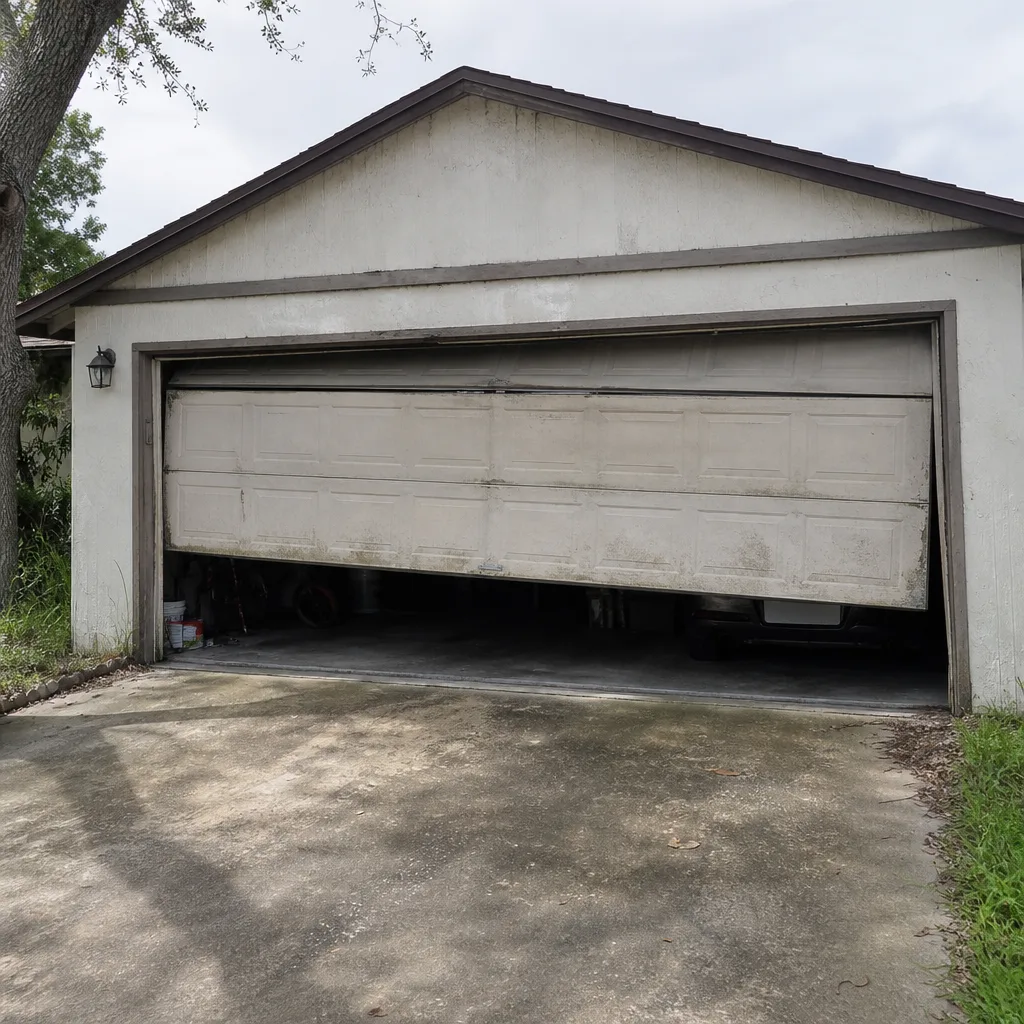 Before
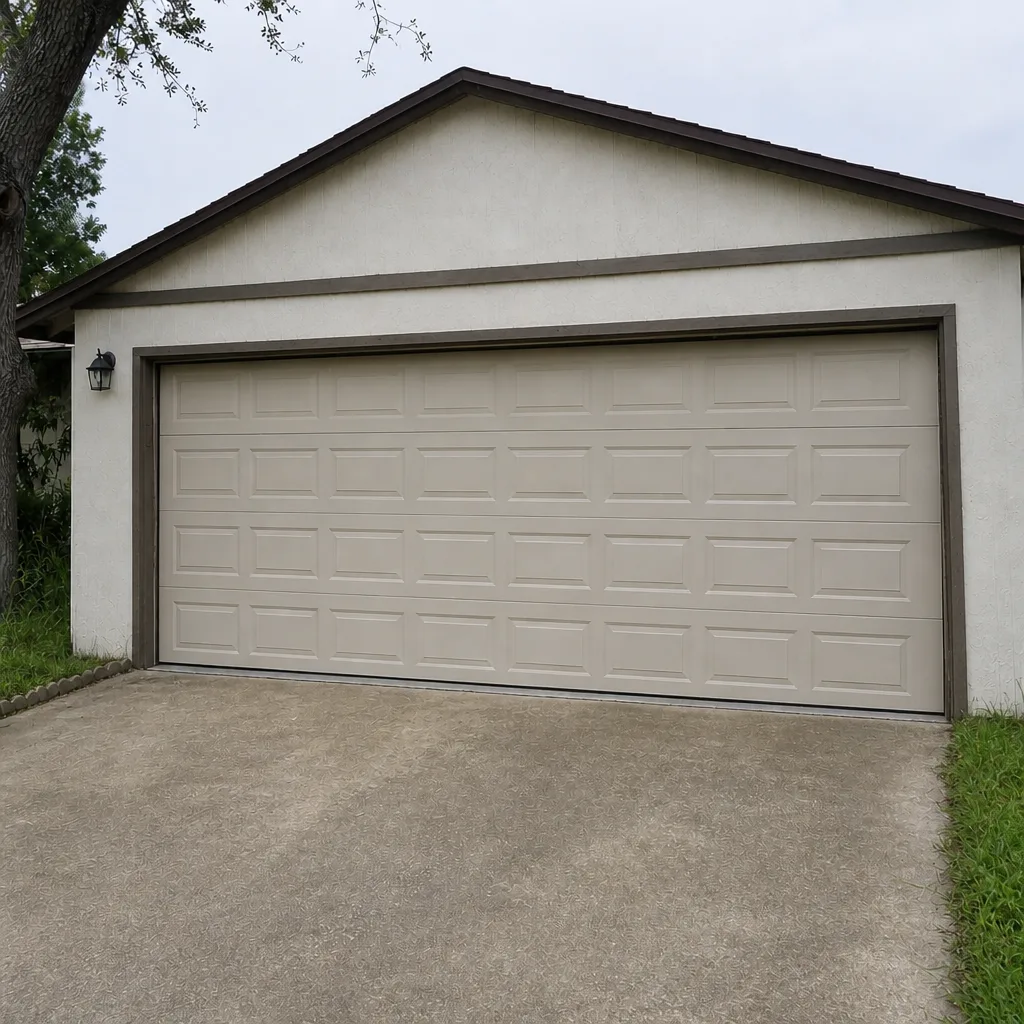 After
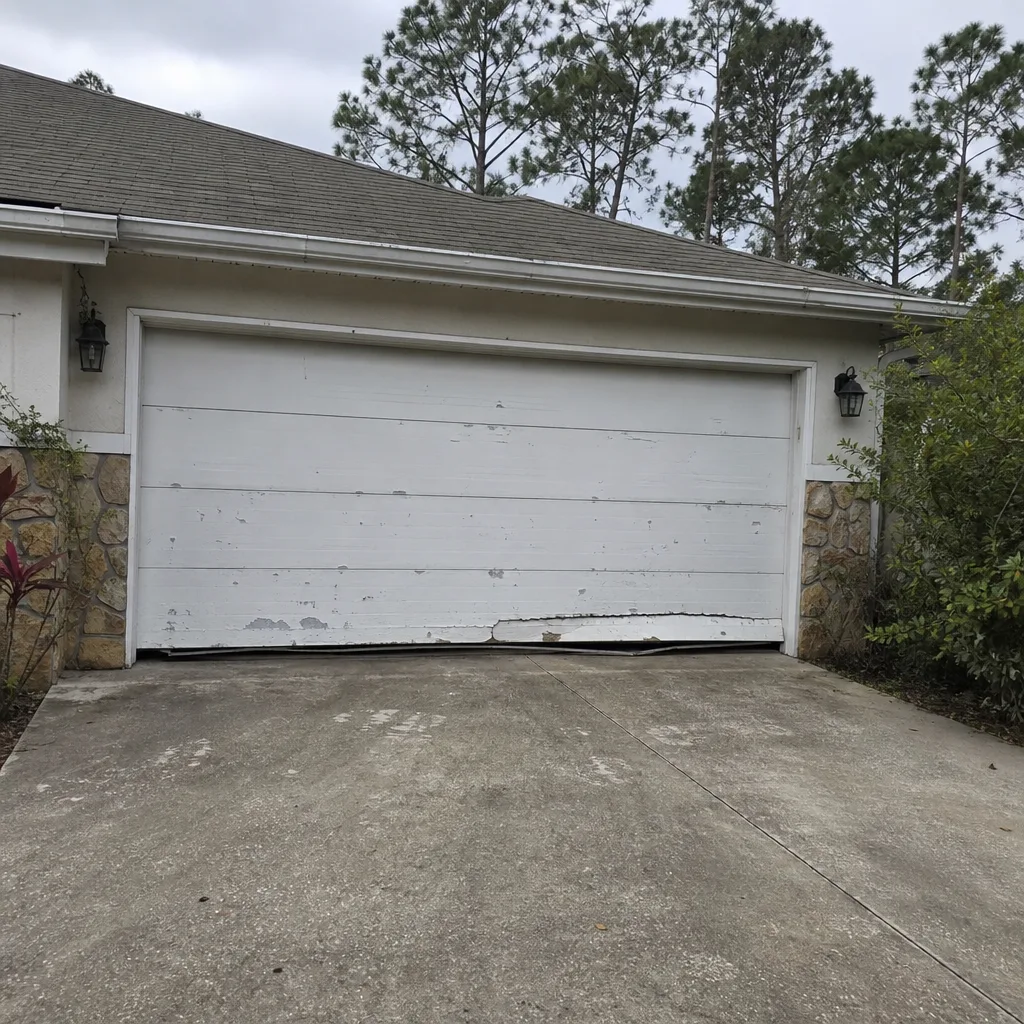 Before
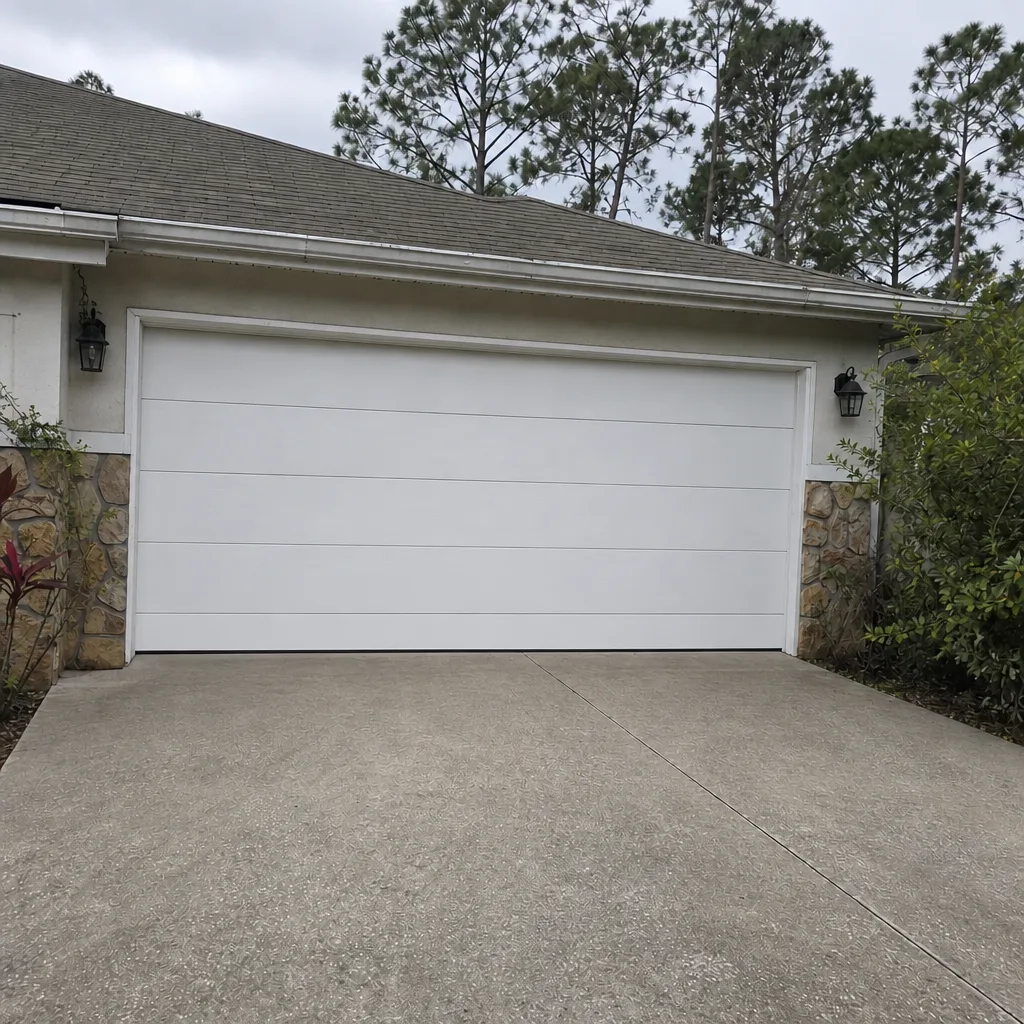 After
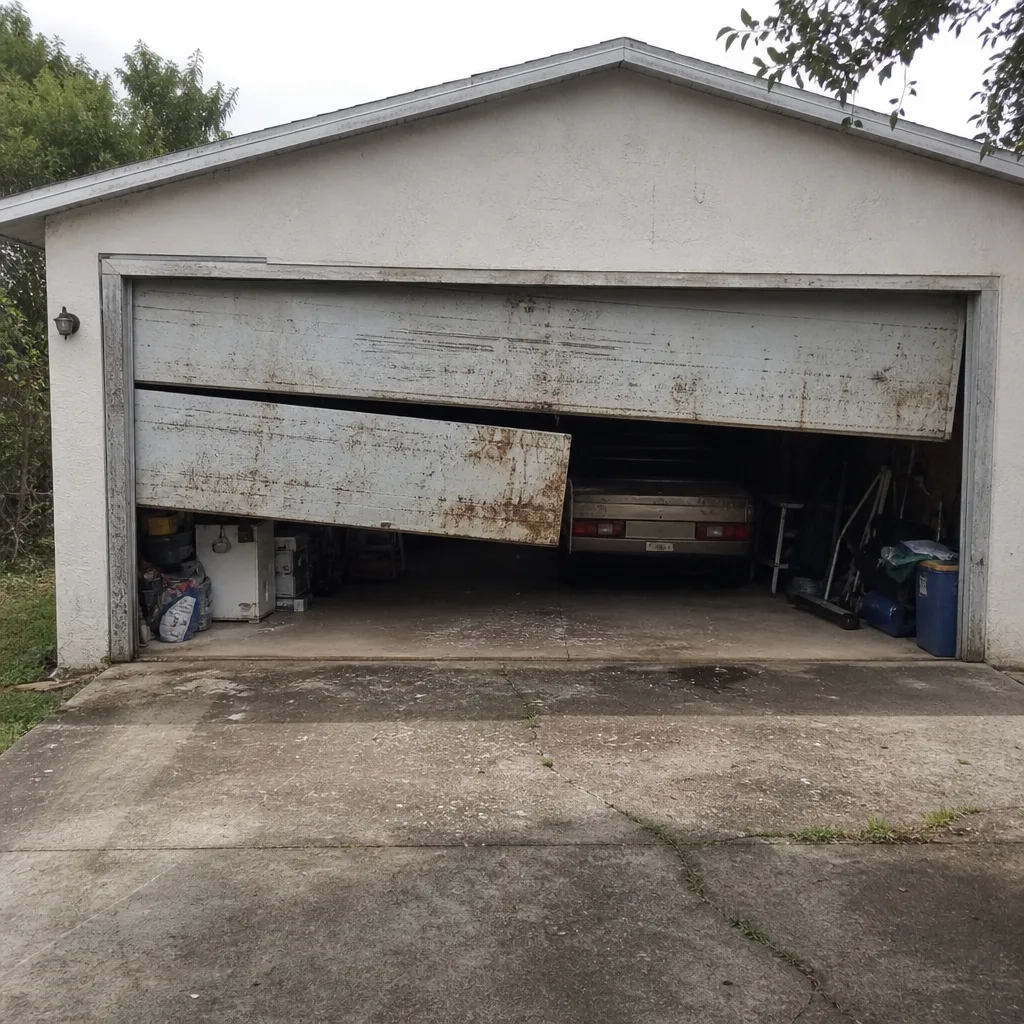 Before
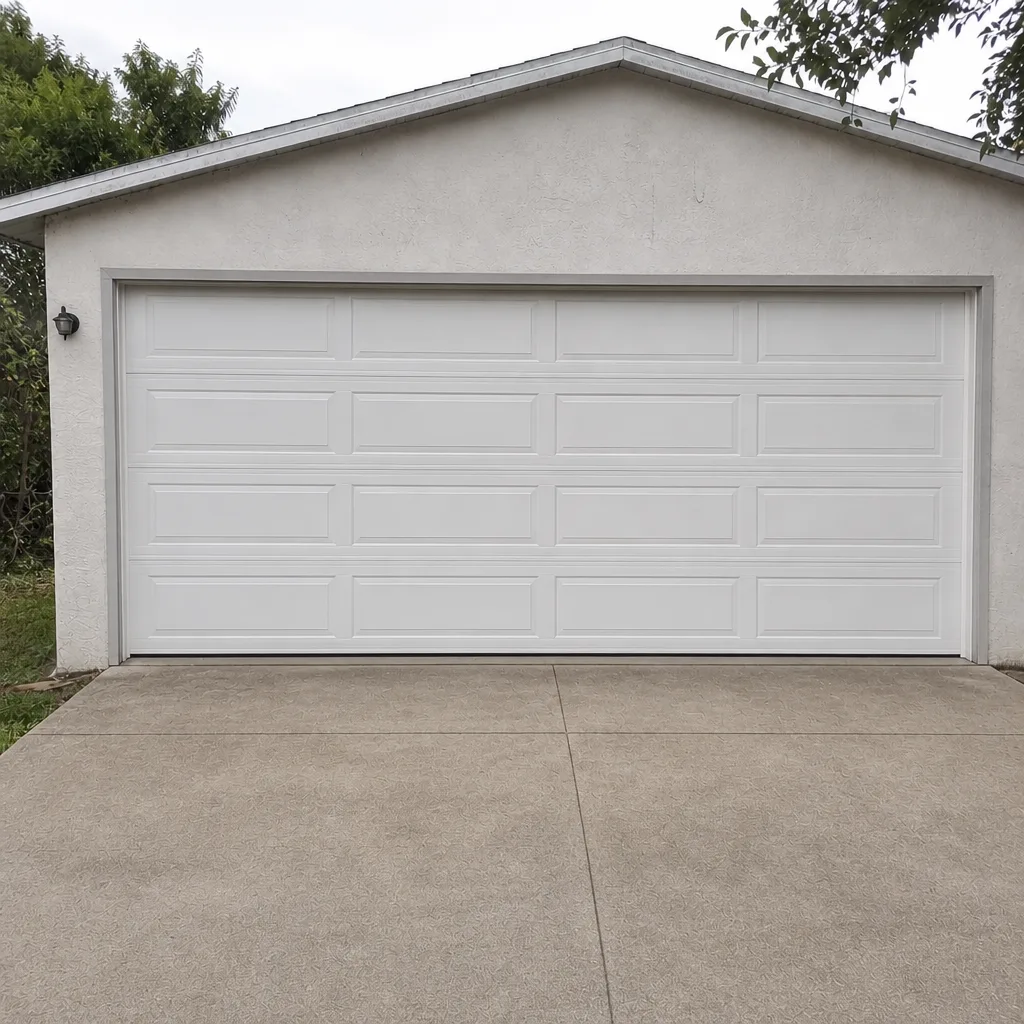 After
When to Call a Professional
You should call us if the door is out of balance, if you see visible rust on the springs, if the safety reversal fails the tests above, if the door is noisy, or if it’s been a year or more since anyone with the right tools looked at your springs and opener. You should call the same day if a spring has snapped, a cable has broken, the door is stuck (half-open, halfway up, or off its track), or a car is trapped inside. Those aren’t “next week” problems. We offer free estimates in Arlington for the scheduled work, and for a stuck or broken door, call (866) 937-7921. Diagnostics are up front, the price is set before we start, and if a $30 spring check turns up nothing, we’ll tell you so.
Frequently Asked Questions
Once a year for a professional inspection, and a quick check yourself every few months. The humidity here makes springs and steel parts rust faster than in drier climates, so annual service is worth the priority. If you see rust, hear a new noise, or the door looks off-balance, have it looked at sooner than that.
No. Torsion and extension springs are both wound to high tension and are the most dangerous part of the door to work on. The risk of serious injury is real. Our technicians are trained to release the tension and replace springs safely. Call (866) 937-7921 to have a spring checked or replaced.
Lithium grease. WD-40 is a solvent with a light oil, and it dries off the metal, leaving parts unprotected in humid air. A lithium or white lithium grease stays on the hinges, rollers, and spring coils and forms a moisture barrier. Use it sparingly. Don’t put grease in the tracks.
UV exposure. The rubber at the bottom of your door sits in full sun most of the day, and in Arlington’s heat it dries out, hardens, and cracks much faster than it would in a cooler climate. Expect to replace a sun-exposed seal more often than you’d think. A new seal is a quick fix.
Two tests. First, wave an object in front of the photo-eye sensor while the door is trying to close; the door should stop or reverse. Second, place a small object on the floor in the door’s path and close it; the door should reverse within a couple of inches of contact. If either test fails, stop using the automatic close and call for a repair.
Most likely repaired. Springs, cables, rollers, hinges, and seals are all replaceable parts, and so are openers. A full garage door repair visit usually starts with a diagnosis of the actual failure, not a quote for a new door. If you do want an upgrade, that’s a garage door installation, and it starts with measuring for the right door for your opening.
The Bottom Line
Garage door maintenance in Arlington comes down to four checks: springs, lubrication, bottom seals, and the opener’s safety reversal test. Springs are the dangerous part and the one that fails without warning. Lubrication with the right product (lithium grease, not WD-40) is something you can do yourself. Seals wear faster here because of the UV and heat. And a full professional inspection once a year is the single most useful thing you can schedule. If you want a technician to look it over, we’re glad to help. The parts and the repair are handled in one visit where possible.
Free estimates are available. Call (866) 937-7921 to schedule a maintenance inspection or a repair, or to get a straight answer on what your door actually needs.
Written by the team at Arlington Garage Door Repair Co.